Engineered for oil and gas refineries, marine vessels, and offshore platforms across Abu Dhabi, Dubai, and the Northern Emirates.
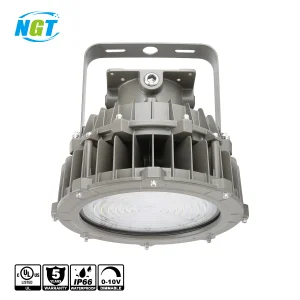
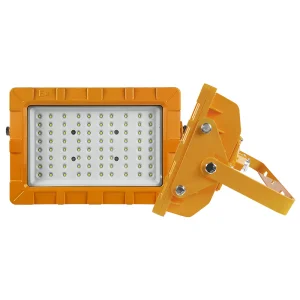
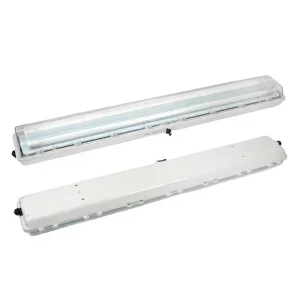
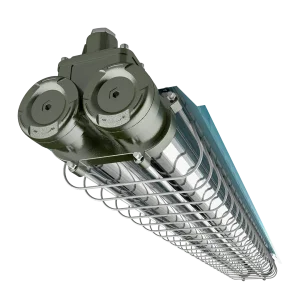
The United Arab Emirates stands as a global epicentre for energy infrastructure, marine operations, and downstream chemical processing. From Abu Dhabi's onshore and offshore concessions (including the massive Hail & Ghasha sour gas projects) to the expansive refinery networks in Ruwais and the strategic maritime hubs in Fujairah and Jebel Ali, the environment demands absolute compliance with the highest hazardous area safety standards.
Operating in the UAE's industrial sectors introduces extreme atmospheric challenges. Ambient summer temperatures regularly exceed 50°C, combining with high humidity, saline-rich coastal air, and airborne dust particles. Standard industrial lighting systems degrade rapidly under these conditions. Our explosion-proof lighting lines are engineered precisely for these high-temperature, corrosive, and explosive gas and dust environments (Zone 1, Zone 2, Zone 21, Zone 22).
As a leading supplier and exporter to the UAE market, we deliver robust solutions that comply directly with international ATEX/IECEx directives, and meet the stringent compliance checks enforced by the UAE Ministry of Industry and Advanced Technology (MoIAT) and UAE Civil Defense.
Our housings utilize copper-free aluminum alloy coated with electrostatically applied epoxy powder coat, delivering durability against offshore salt spray and severe GCC weather.
Patented active heatsink designs keep LED junction temperature low, guaranteeing 50,000+ hours of continuous service at 55°C ambient temperatures.
How the UAE and global energy companies choose and optimize hazardous area lighting assets.
Modern UAE projects integrate explosion-proof lighting with DALI and smart control protocols. This permits remote luminaire monitoring, automated dimming, and preventive maintenance data streaming inside Zone 1 & 2 locations.
Procurement must align with the Ministry of Industry and Advanced Technology (MoIAT) guidelines and national ECASEx systems, alongside global standards like ATEX, IECEx, and UL844.
Minimizing structural maintenance and replacement costs inside highly restricted zones is critical. Luminaire design should exceed L70 lifespans of 100,000 operational hours.
Commitment to innovation, precision manufacturing, and strict global quality control standards.
Jiangsu Lukas Lighting Co., Ltd. was established in 1998 with a strong commitment to innovation, quality, and sustainability in the outdoor lighting industry. Over more than two decades of development, the company has grown into a professional manufacturer specializing in intelligent and energy-efficient street lighting solutions.
With continuous investment in research and development, Lukas Lighting has expanded its product portfolio to include LED street lights, solar street lights, smart lighting systems, landscape lighting, and customized municipal lighting solutions. Our products are widely used in urban roads, highways, industrial parks, residential communities, and public infrastructure projects across global markets.
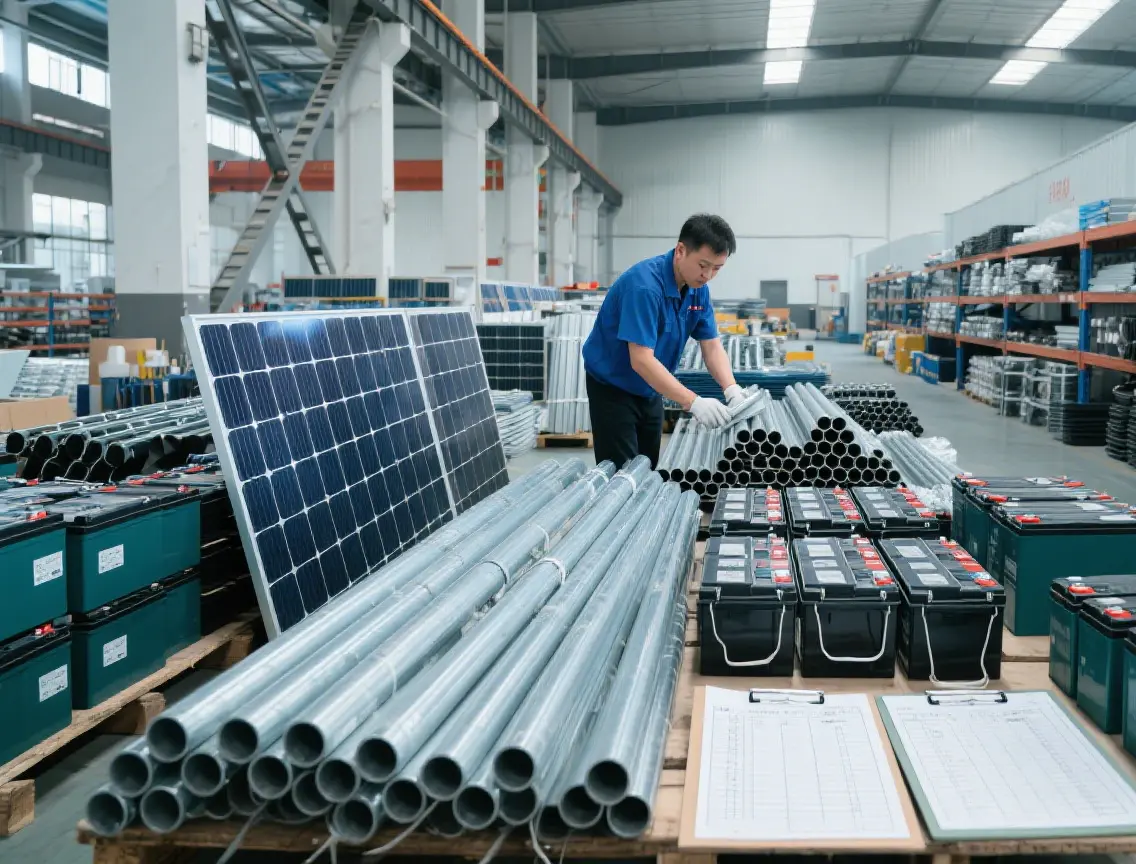
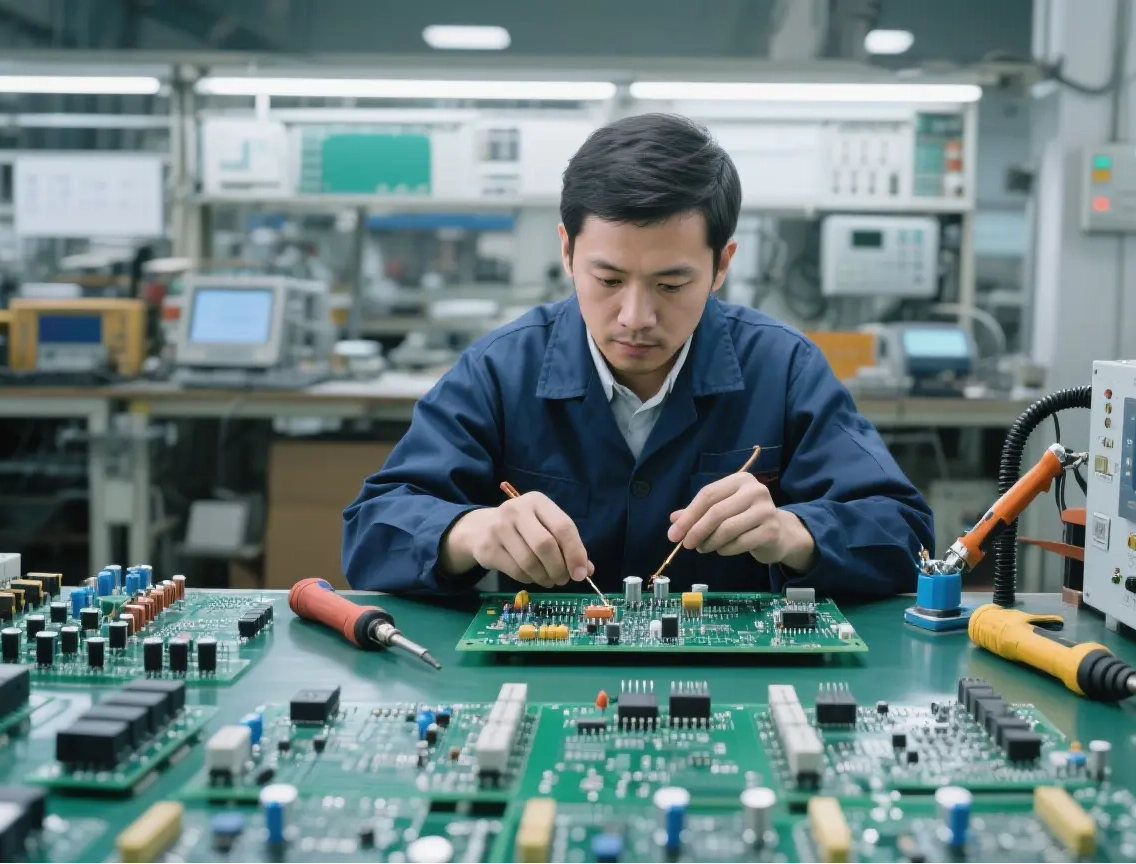
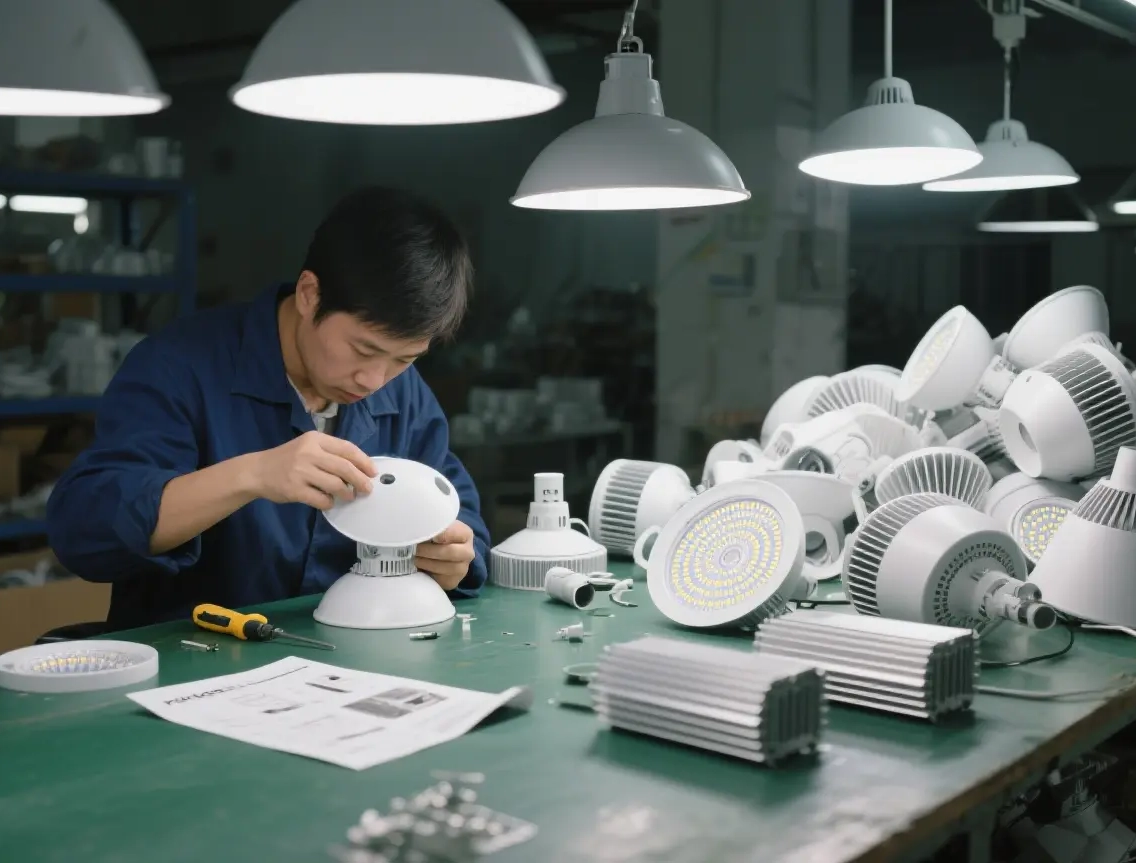
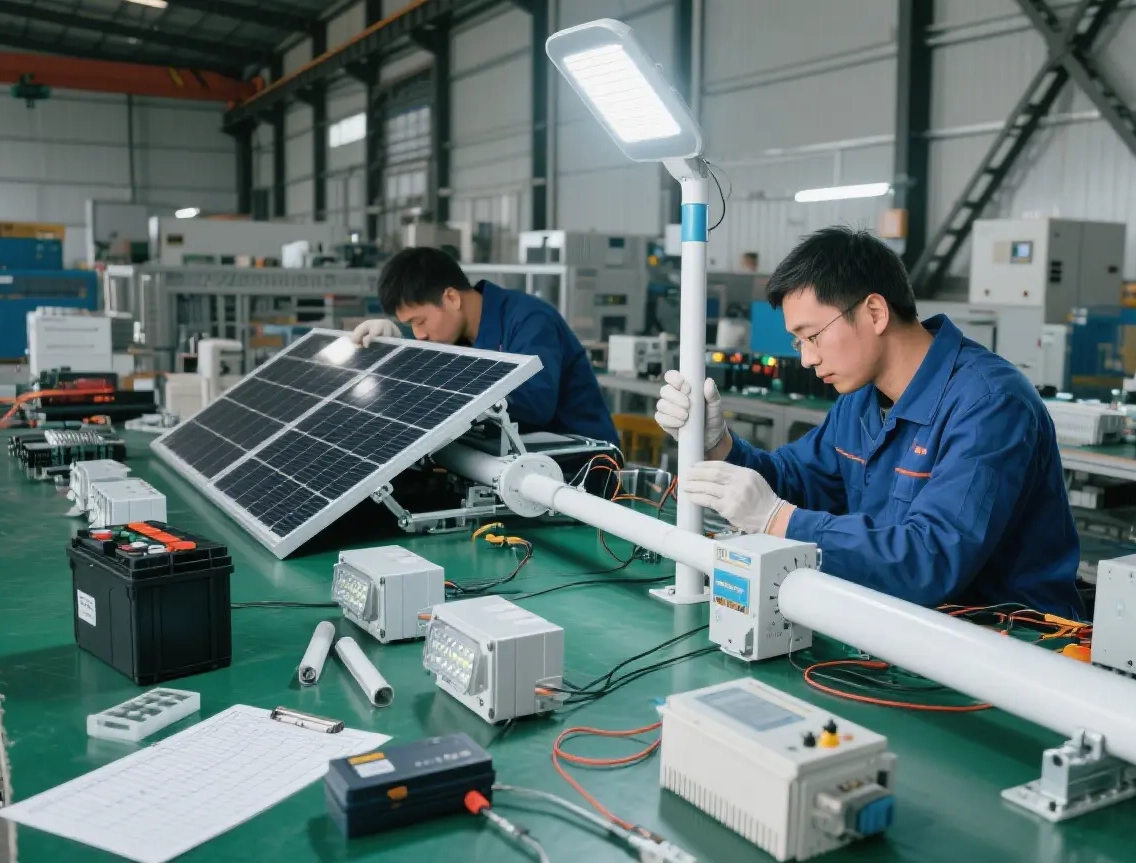
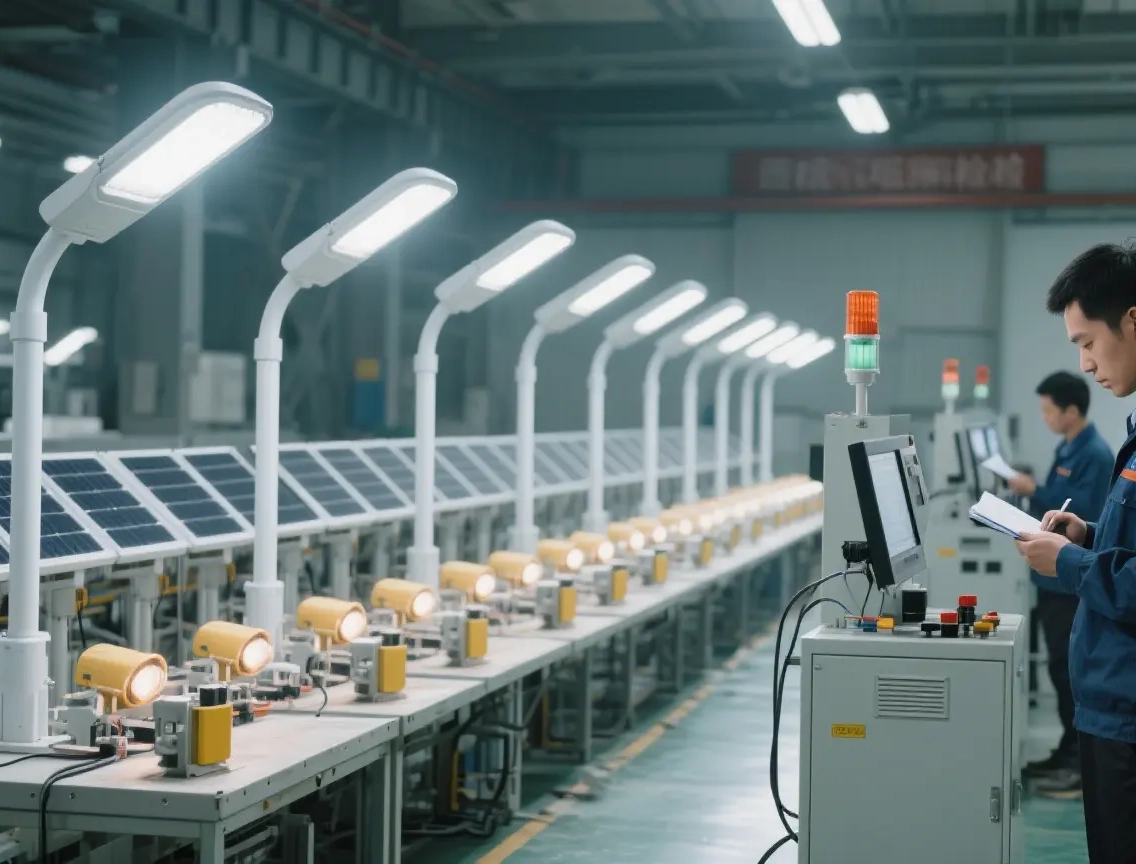
Located in Jiangsu, China, our modern production base covers an area of approximately 11,000 square meters. The facility is equipped with advanced manufacturing technologies and operated by a team of experienced engineers and skilled technicians. This ensures strict quality control, precision manufacturing, and efficient large-scale production capabilities.
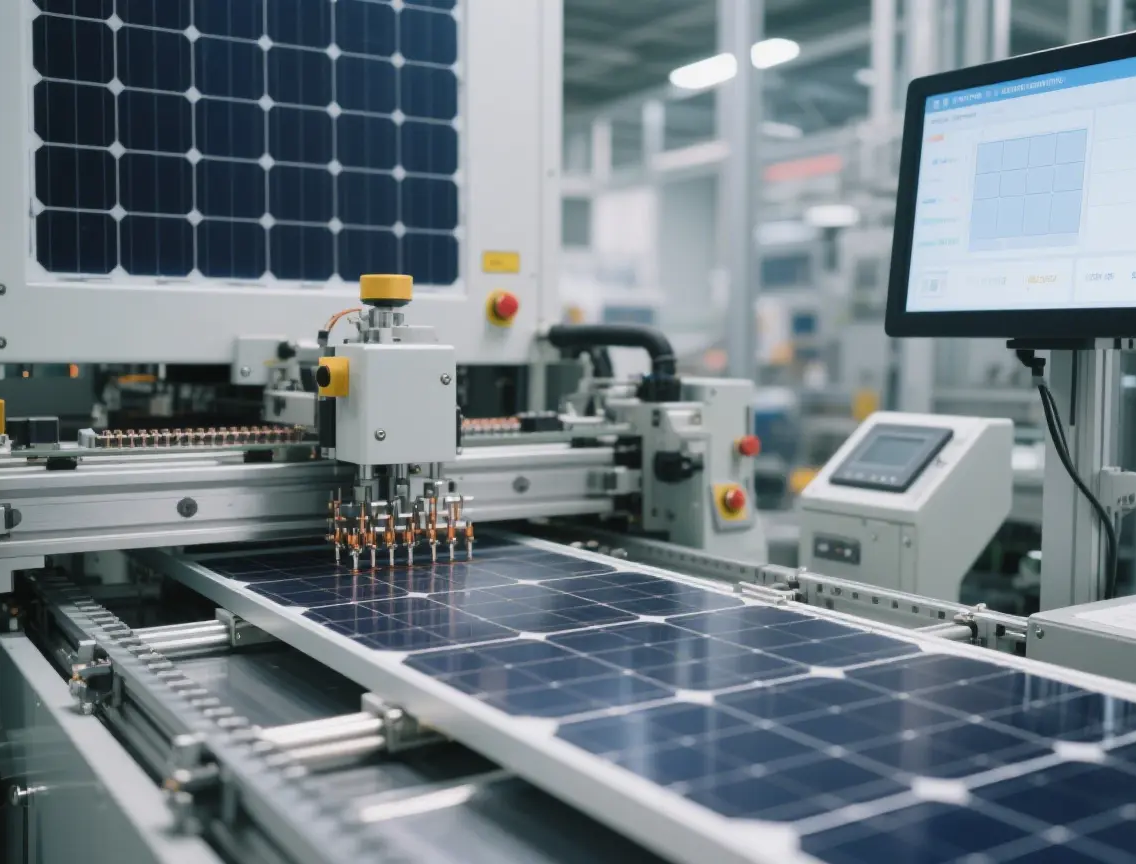
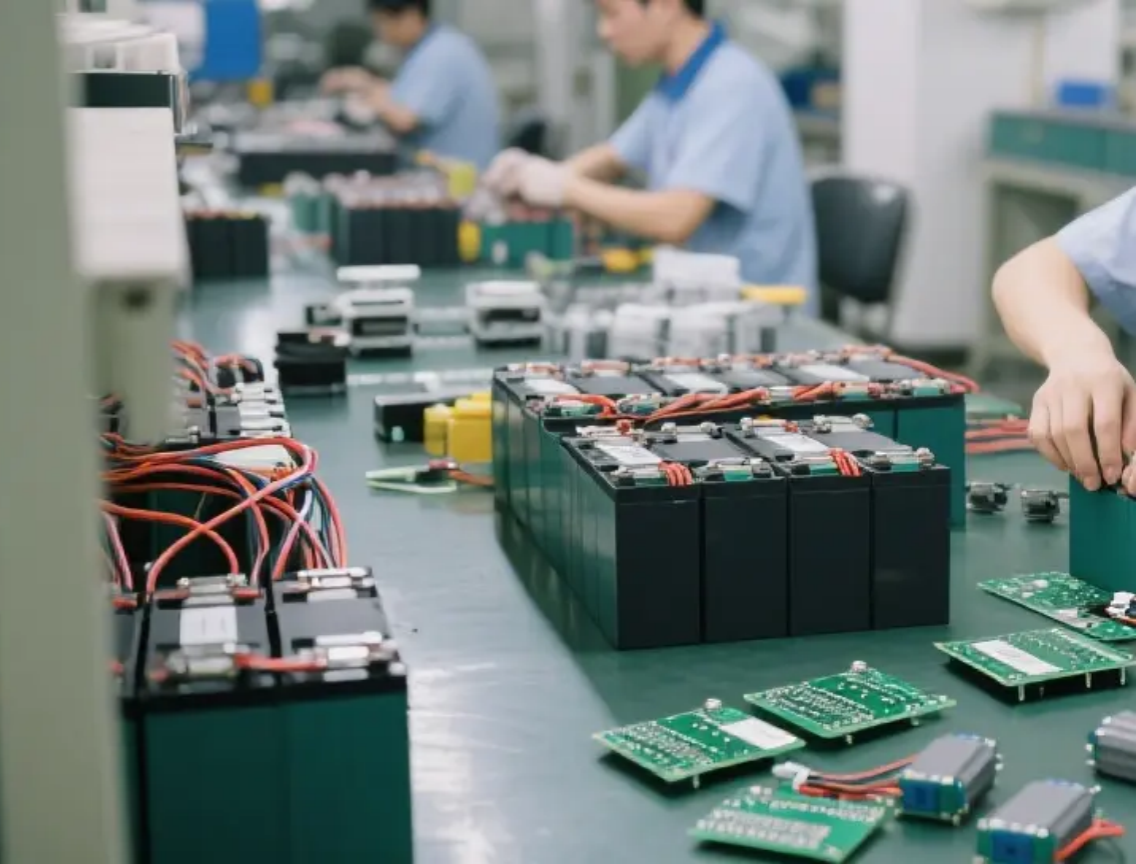
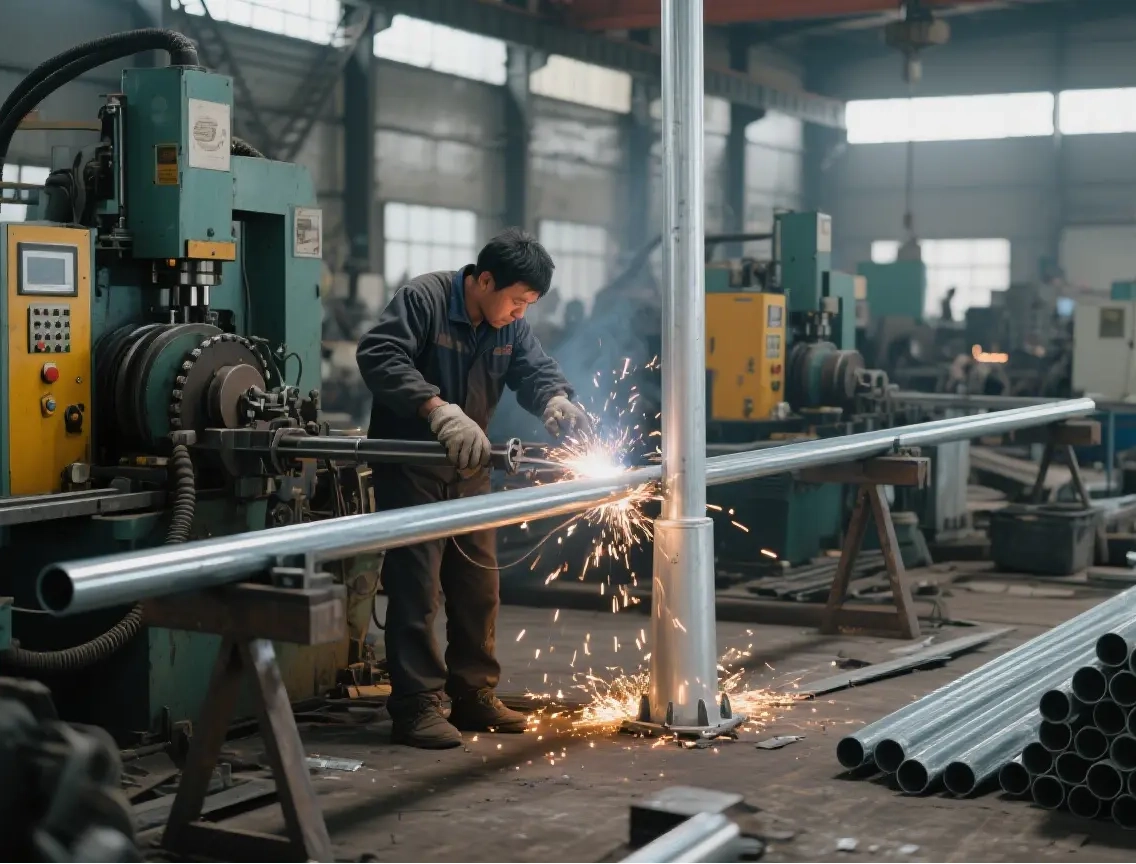
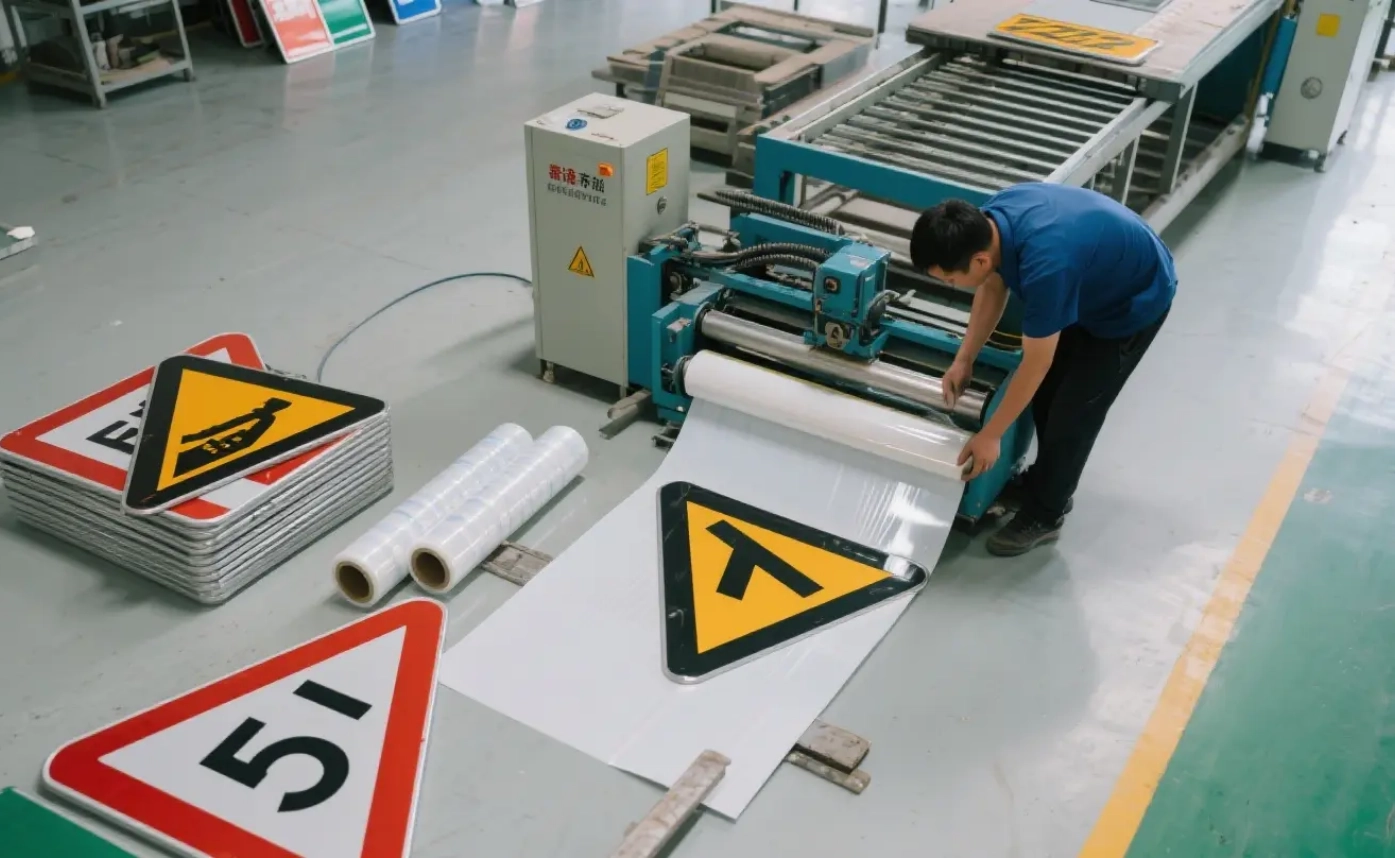
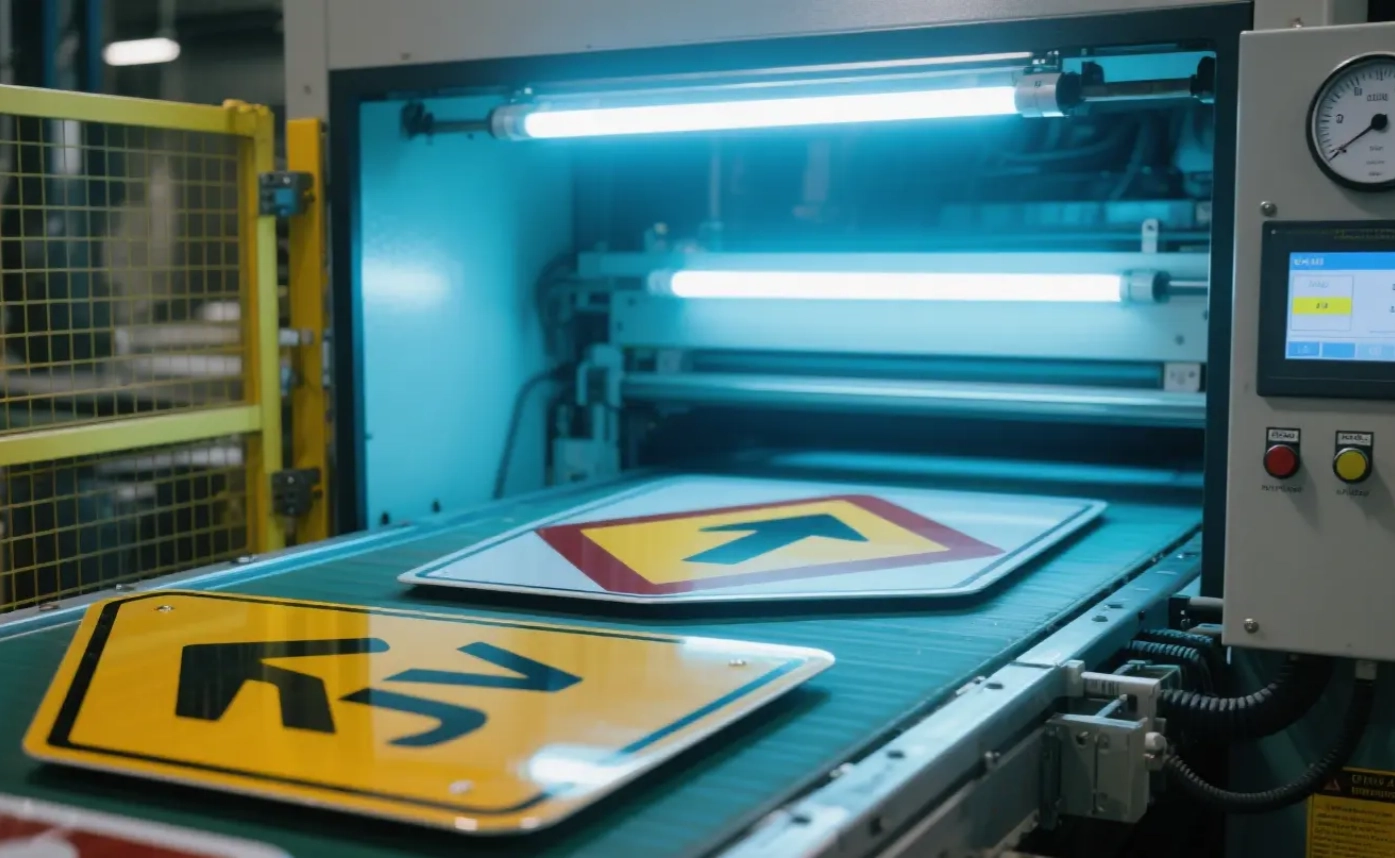
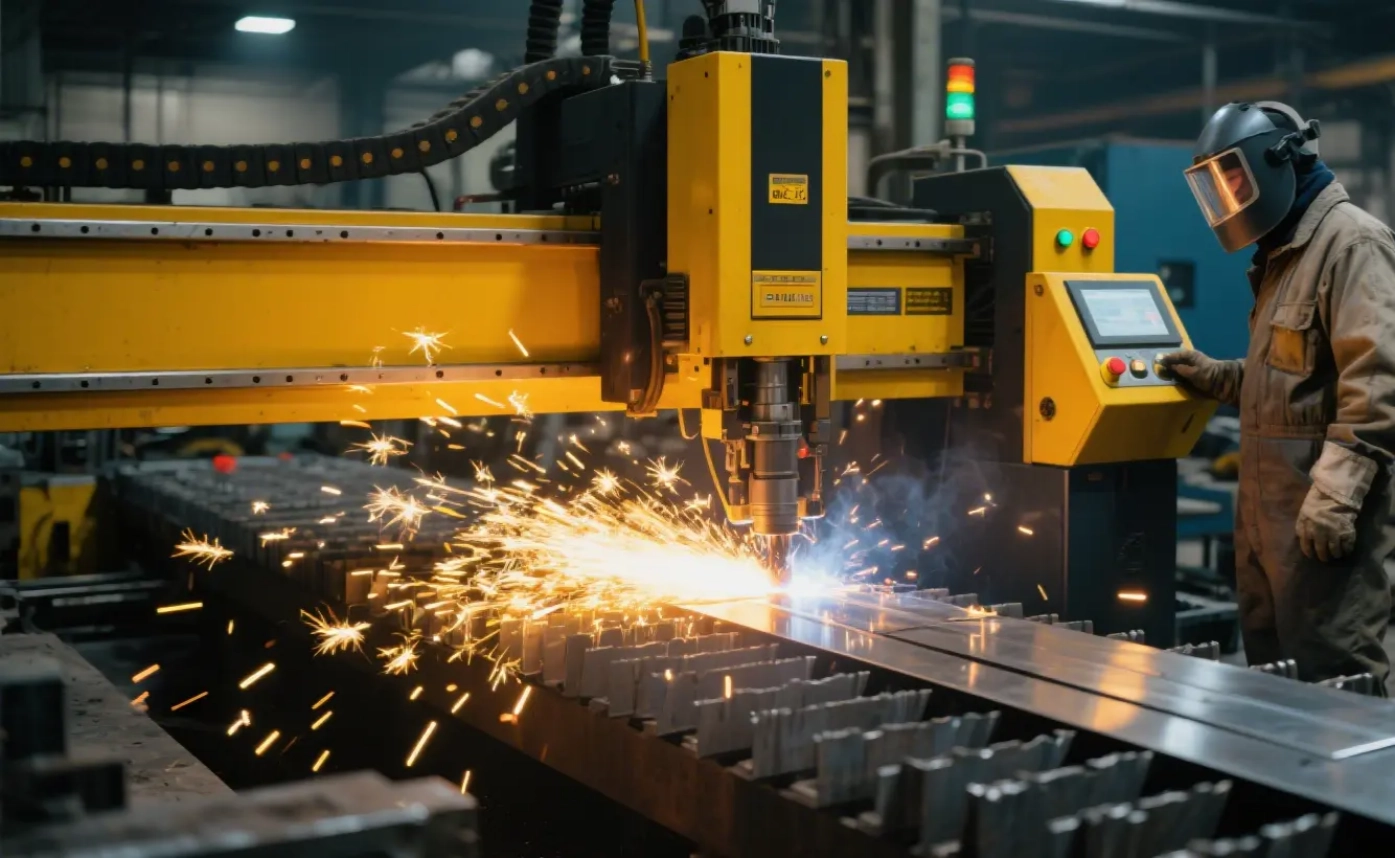
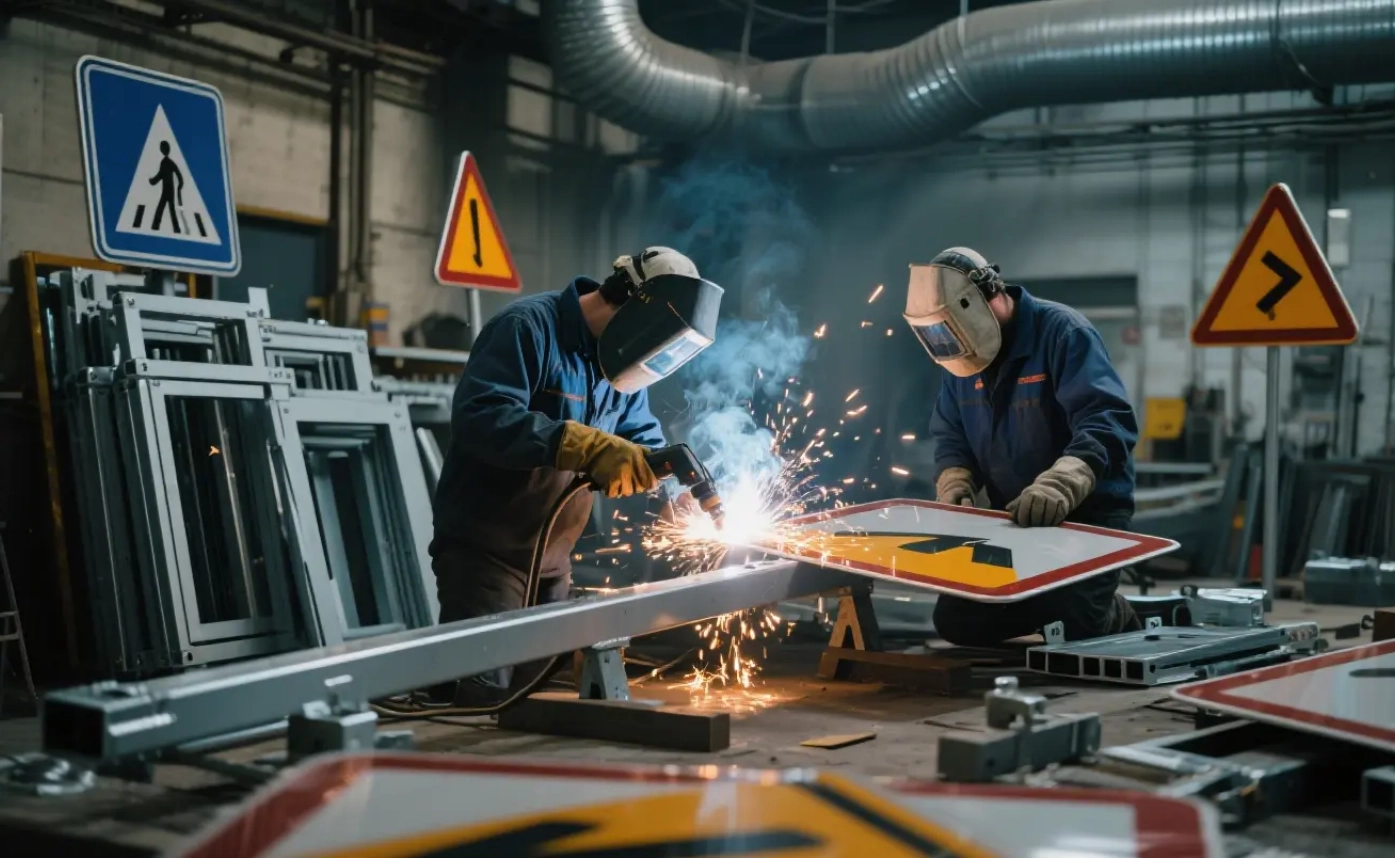
Our factory is equipped with a complete set of advanced production and testing systems, including automated LED encapsulation production lines, high-precision CNC laser cutting machines, robotic welding systems, SMT (Surface-Mount Technology) assembly lines, automatic die-casting machines, professional powder coating production lines, and advanced photometric and optical testing equipment.
These modern facilities enable us to maintain high production efficiency while ensuring stable and reliable product performance. Every product undergoes strict quality inspection procedures, from raw material selection to final assembly and lighting performance testing.
Why industrial procurement managers in Abu Dhabi, Dubai, and worldwide partner with us.
With efficient production lines and advanced automation, we handle large-volume orders and customized industrial lighting runs with high speed and mechanical accuracy.
We operate under an ISO9001 international framework, securing regional certifications and patents in both heat-management luminaire housing design and optical technology.
From custom optic layouts to complex bracket configurations for legacy retrofit designs, we cover housing mold development, photometrics engineering, and logistical dispatch.
Our solutions target maximum lumen output at minimal power draw, aiding GCC smart-city initiatives and regional green building goals.
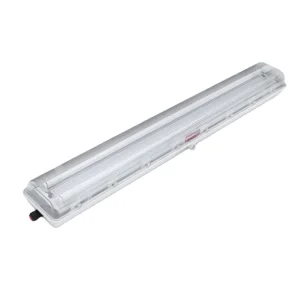
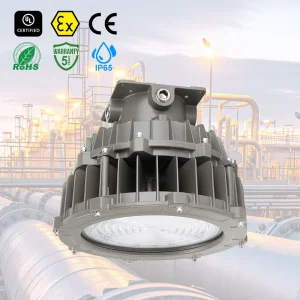
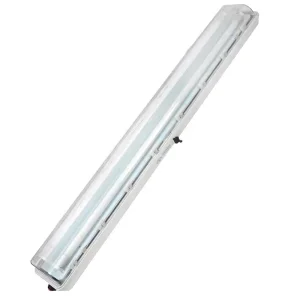
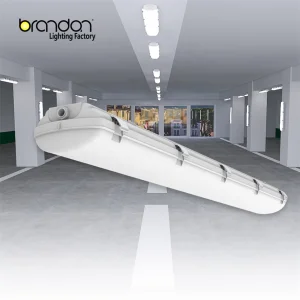
Browse our complete list of certified heavy-duty fixtures engineered for extreme environments.
Expert clarifications regarding explosion-proof lighting technologies, installations, and standards in the UAE.
In the United Arab Emirates, explosion-proof lighting fixtures must primarily comply with international standards such as ATEX and IECEx. Additionally, fixtures must be registered under the Ministry of Industry and Advanced Technology (MoIAT) ECASEx certification program. For installations within oil and gas zones managed by ADNOC or municipal zones under UAE Civil Defense jurisdiction, suppliers must present conforming test reports from recognized global notified bodies.
Zone classifications define the probability of explosive gas concentrations being present in the atmosphere. Zone 1 locations are areas where explosive gas atmospheres are expected to occur occasionally under normal operational circumstances. Zone 2 locations are areas where explosive atmospheres are not likely to occur during normal operation, and if they do, they persist only for short periods. Zone 1 installations demand higher-level protection types, such as Flameproof (Ex d) or Increased Safety (Ex e), whereas Zone 2 permits Restrictive Breathing (Ex nR) and Non-Sparking designs.
Extreme Middle Eastern ambient temperatures (exceeding 50°C in direct sun) can rapidly degrade standard LED electronics. When high temperatures heat the external housing, it increases the internal LED junction temperature. Without advanced thermal dissipation pathways, the LEDs will experience color shift, decreased luminous flux, and early driver failure. High-quality fixtures require a T-rating (such as T6 or T5) certified for an upper limit of +55°C or +60°C to guarantee structural safety and operational lifespan.
IP Rating (Ingress Protection) measures the enclosure’s resistance to solid dust particles and liquid moisture. A minimum rating of IP66 is necessary for UAE offshore or sandstorm-prone regions to block microscopic dust and seawater spray. IK Rating (Impact Protection) indicates resistance to mechanical impact. Explosion-proof applications demand high IK ratings (typically IK08 or IK10) with tempered glass and heavy metal frames to withstand falling objects or accidental strikes.
Yes, but the fixture's body must be composed of materials resistant to chemical corrosion. Full-plastic (polycarbonate) or specialized engineering plastics (like GRP - Glass-reinforced Polyester) are preferred over aluminum in highly corrosive, acid-rich settings. Aluminum heads, if used, must be treated with anti-corrosion, marine-grade powder coatings (e.g., WF2 class) to prevent structural oxidation.
 Lukas Lighting