Explosion-Proof Lighting Manufacturers & Global Suppliers serving the Los Angeles Market

High-Compliance LED & Smart Hazardous Area Lighting Solutions Certified for Class I Division 1 & 2, ATEX, and IECEx Applications

Premium Industrial Explosion-Proof Lighting Solutions

Featured heavy-duty luminaires designed to withstand harsh marine, petrochemical, and refining operations in the Southern California basin and global markets.
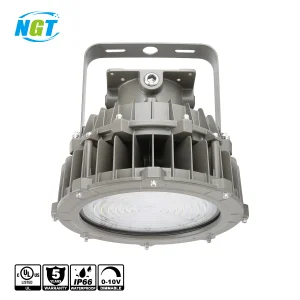
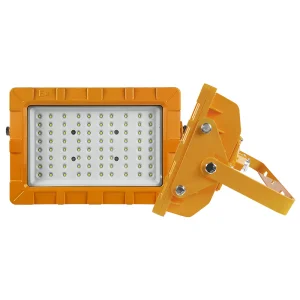
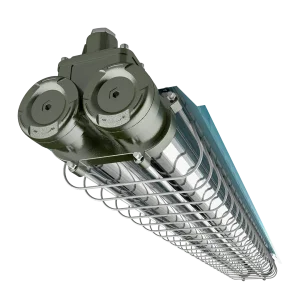
Adjustable LED Explosion Proof Light for Chemical Areas

Adjustable Mounting LED Explosion Proof Light For Los Angeles Chemical Refineries, Marine Vessels & Flammable Gas Environments

View Technical Specifications →
150w Explosion Proof LED Light ATEX Certified

150W High-Efficiency LED Explosion-Proof Light (ATEX & IECEx Certified) for Hazardous Off-Shore & Port Terminals

View Technical Specifications →
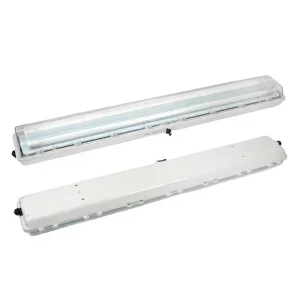
Full-Plastic Explosion-Proof Fluorescent Light Fixture

Full-Plastic Corrosive-Resistant Explosion-Proof LED Base Luminaire IP66 ATEX Certified for Los Angeles Wastewater Facilities

View Technical Specifications →
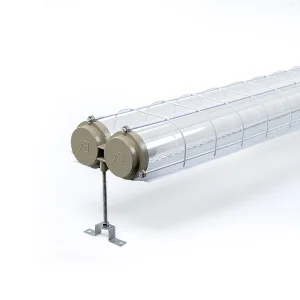
Hazardous Area Explosion Proof Linear Light

2x36W Hazardous Area Hanging Linear LED Light Fixture IP66 Class I Div 2 Compliant for Industrial Paint & Aerospace Booths

View Technical Specifications →

Serving the Los Angeles & Southern California Hazardous Industrial Market

Understanding the unique local compliance codes, coastal environmental stressors, and standard operating procedures in Western America's major energy hubs.

Los Angeles is not just a hub of cultural and creative industries; it stands as one of the most critical industrial and logistics gateways in the Western Hemisphere. The industrial landscape stretching from the Port of Los Angeles and Port of Long Beach to the major energy refineries in Torrance, Wilmington, and El Segundo requires stringent adherence to safety protocols. Hazardous areas where flammable gases, vapors, or combustible dusts are present—classified under the National Electrical Code (NEC) as Class I, Division 1 & 2, and Class II—demand specialized, certified lighting systems to prevent catastrophic ignitions.

In addition to local safety parameters, California’s strict environmental laws, including the California Title 24 Energy Efficiency Standards and emissions rules set by the Southern California Air Quality Management District (SCAQMD), call for highly efficient LED technology. Lukas Lighting delivers cutting-edge explosion-proof LED luminaires designed to meet these exact municipal, federal, and state compliance frameworks. Our rugged, heavy-duty marine-grade fixtures are specifically manufactured to counter the corrosive, salty coastal air of the Southern California coastline, ensuring zero downtime and maximum protection for local and global engineering contractors.

Strategic Application Note: For municipal aerospace manufacturing hubs in El Segundo and chemical storage areas near Port of LA, Class I Div 1 and Div 2 lighting ensures containment of thermal energy and protection against static charge, mitigating hazards inside complex containment zones.
1998
Company Established
11,000㎡
Modern Production Base
100%
Photometric & Safety Tested
ISO9001
Quality Management Certified

Our History & Quality Commitment

Jiangsu Lukas Lighting Co., Ltd. was established in 1998 with a strong commitment to innovation, quality, and sustainability in the industrial and outdoor lighting industry. Over more than two decades of dedicated development, the company has grown into a premier global manufacturer, specializing in intelligent, energy-efficient street lighting and highly durable, certified hazardous area lighting solutions.

Through continuous investment in research and development, Lukas Lighting has consistently expanded its state-of-the-art product portfolio. We deliver cutting-edge LED street lights, solar-powered systems, smart municipal network systems, and specialized explosion-proof lighting designed for high-risk industrial plants. Our engineered solutions are widely deployed across highways, ports, petrochemical refineries, chemical storage centers, and public infrastructure works worldwide.

Located in the heart of Jiangsu, China, our advanced manufacturing hub covers approximately 11,000 square meters. Guided by an experienced team of optical, electrical, and mechanical engineers, our facilities employ strict quality control protocols alongside automated precision technologies to satisfy the rigorous technical requirements of international engineering firms.

🏭

Large-Scale Manufacturing

Equipped with advanced die-casting and precision CNC machining, we easily scale up production for global bulk infrastructure projects.

🛡️

Standardized Quality

Fully compliant with ISO9001, utilizing multi-stage optical testing spheres to guarantee precise lux, lumens, and thermal ratings.

⚙️

Customized Solutions

From CAD design modifications to specialized brackets for historic LA port retrofits, we deliver bespoke OEM and ODM engineering support.

🌱

Sustainability Focused

Our fixtures emphasize maximum lumen-per-watt efficiency to assist corporations in hitting ESG metrics and reduction in total energy loads.

Precision Production & Quality Control Equipment

To ensure stable and reliable performance in hazardous environments, our manufacturing facility relies on premium automated systems and heavy-duty inspection tools.

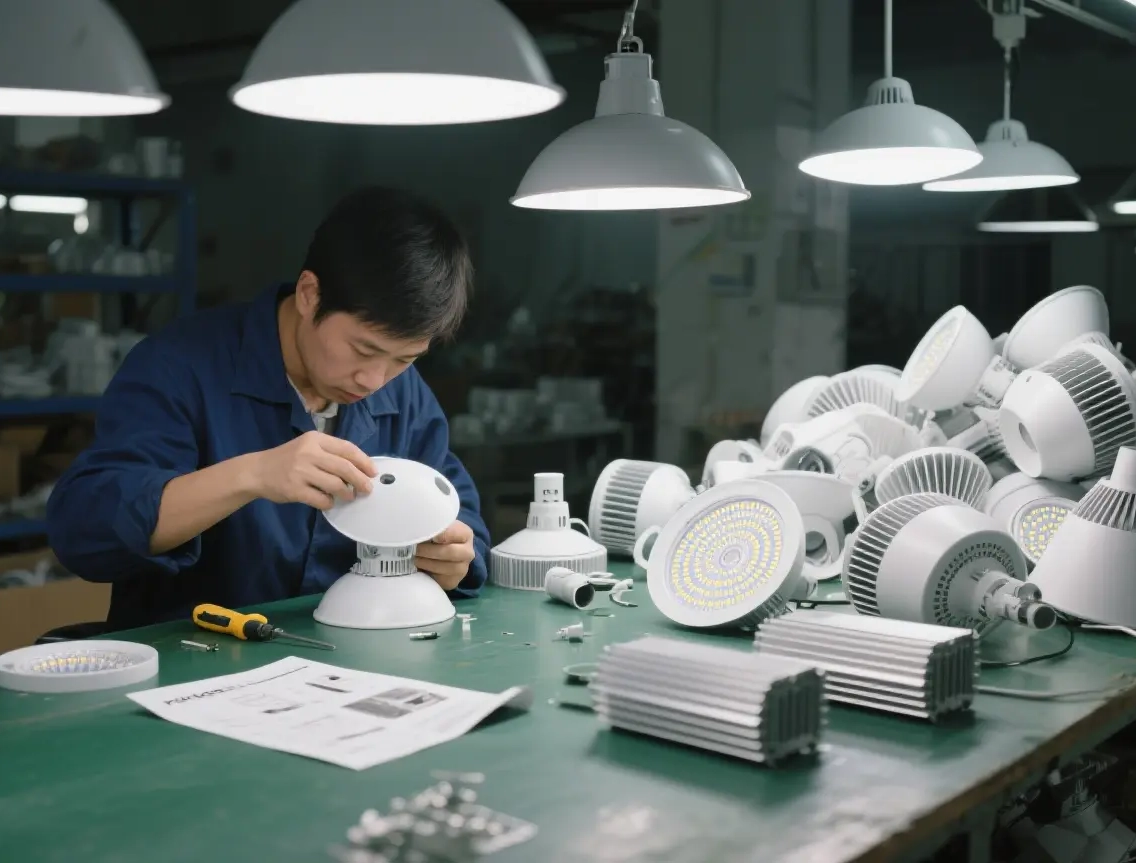
Every explosion-proof fixture must withstand extreme internal pressures without cracking, sparking, or transferring excess heat to the external atmosphere. Achieving this level of mechanical integrity requires advanced, heavy-duty production apparatus. Our manufacturing floor includes:
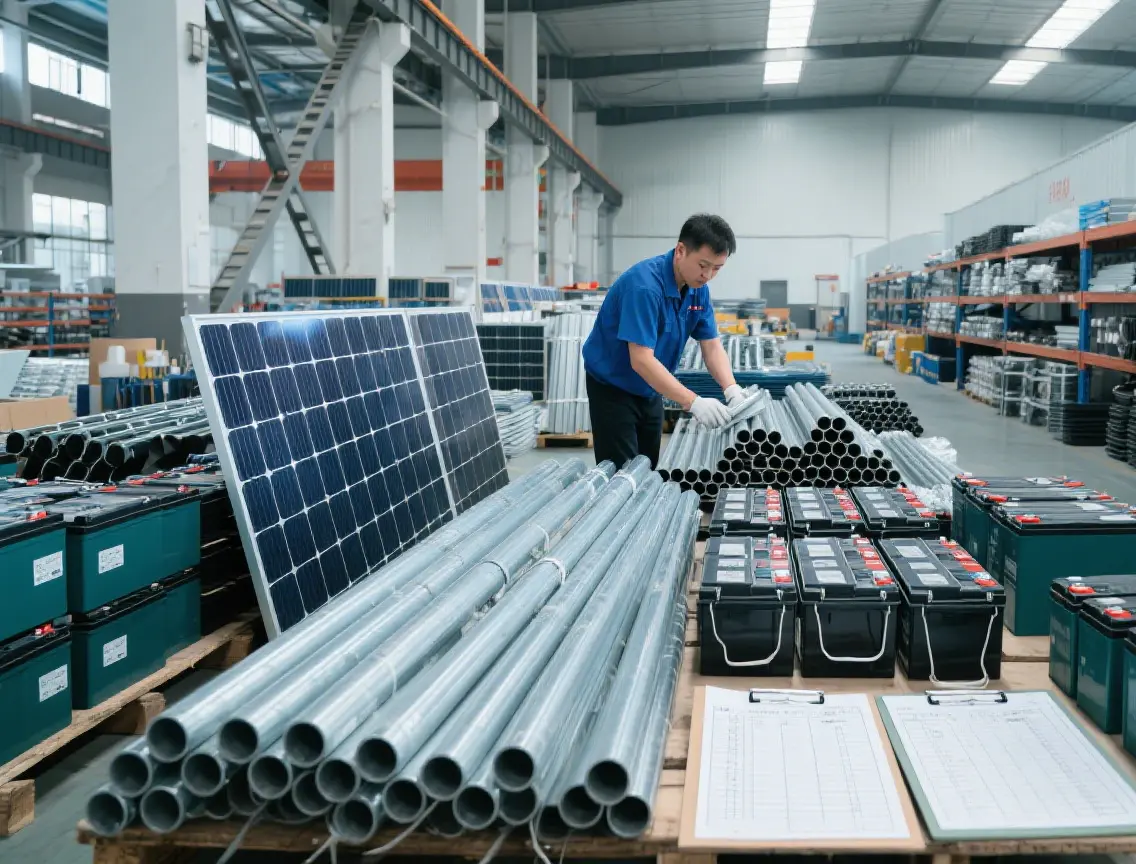
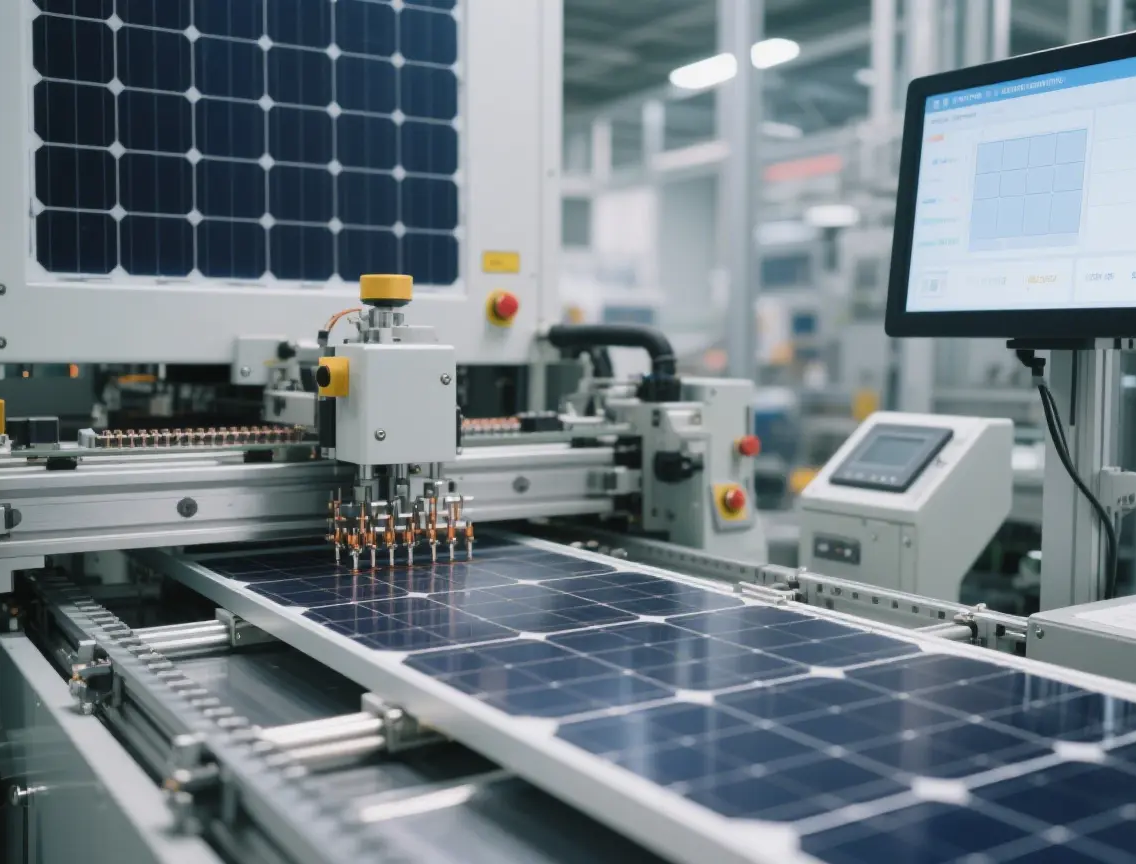
  • Automated LED encapsulation production lines: Offering complete dust-free protection to prevent microscopic contaminants from causing early light decay or component failure.
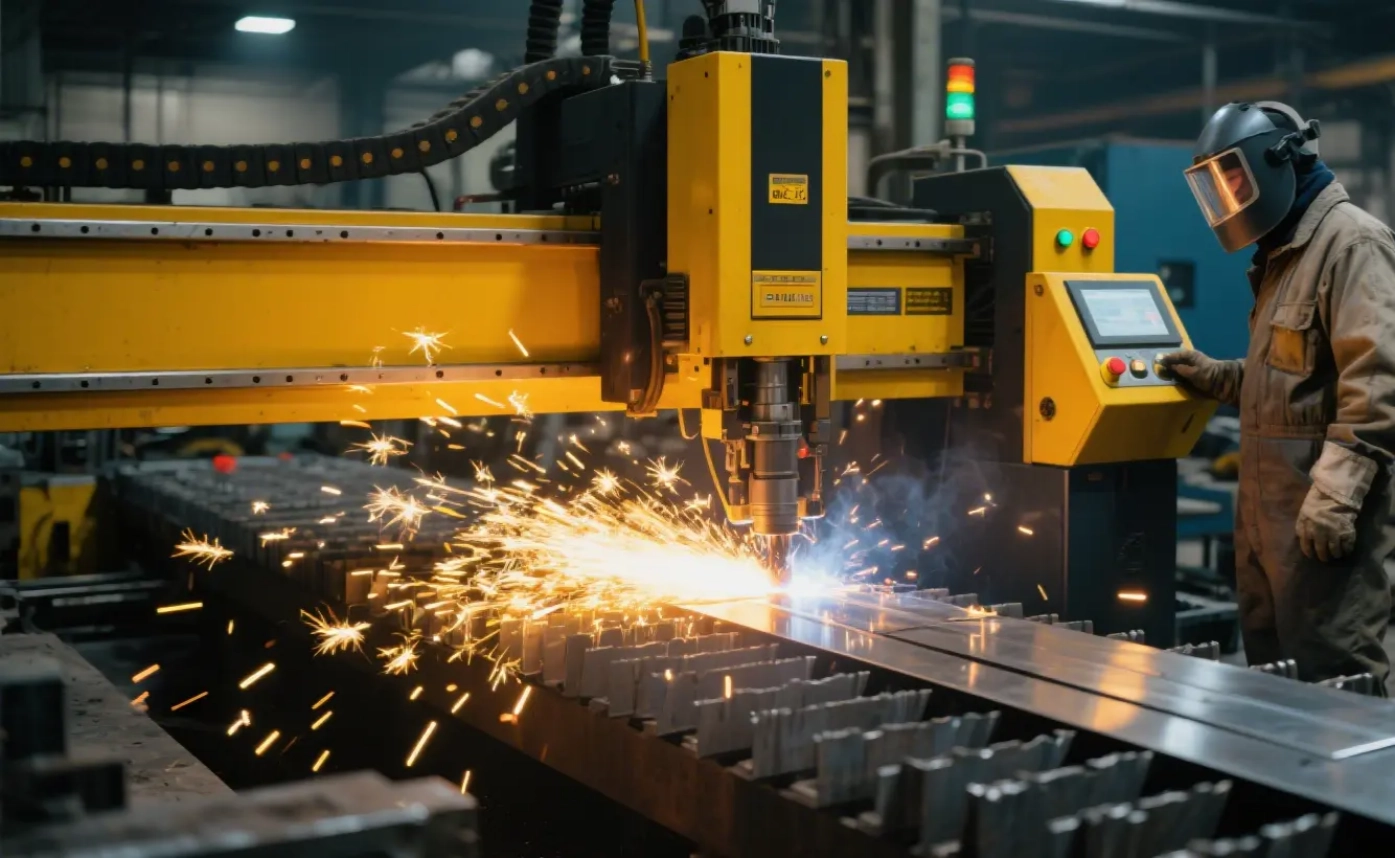
  • High-precision CNC laser cutting machines: Assuring tolerance control within fractions of a millimeter on all aluminum profiles and protective housings.
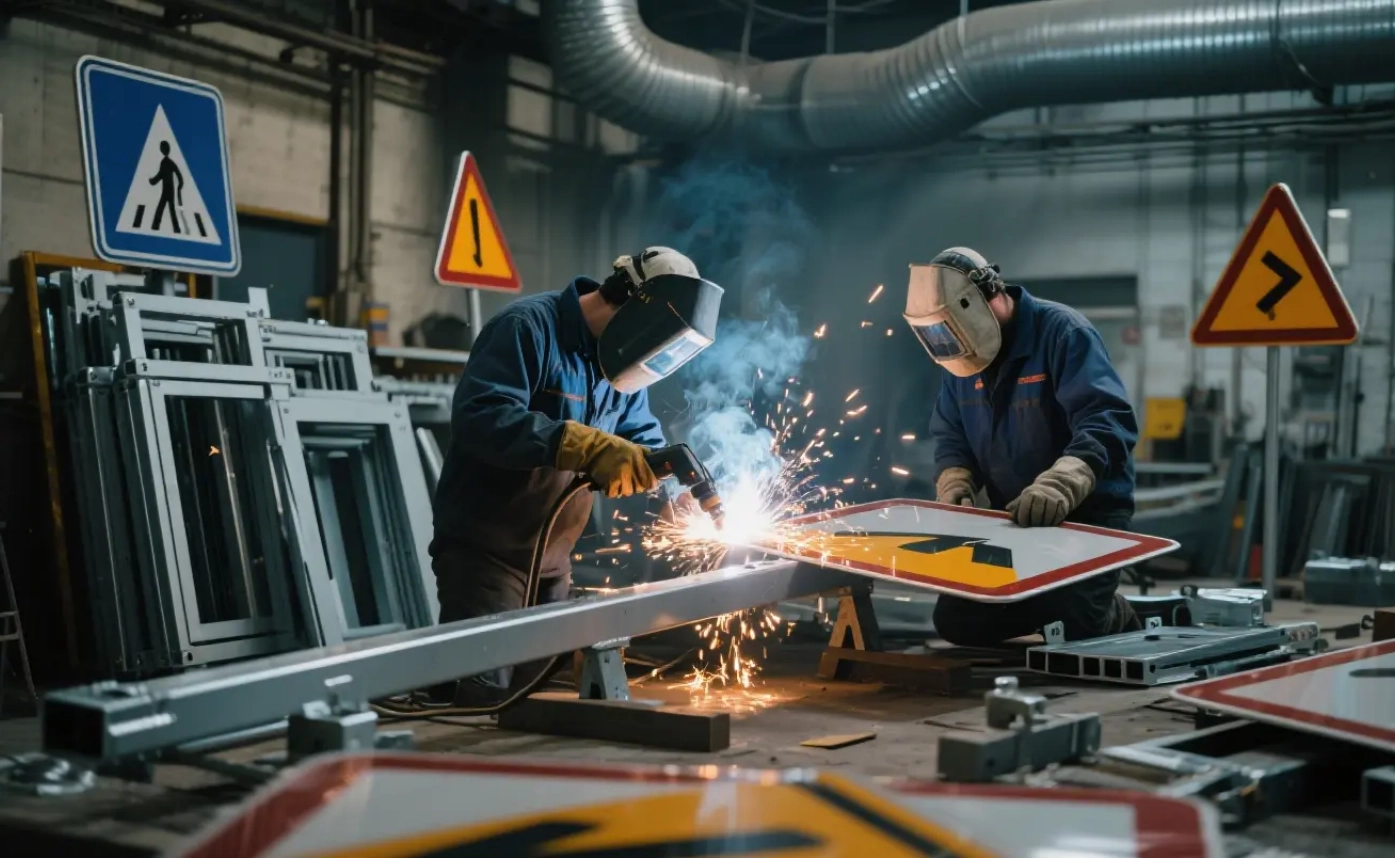
  • Robotic welding systems: Delivering high-tensile, uniform welds that eliminate manual variation and structurally reinforce the metal casings.
  • SMT (Surface-Mount Technology) assembly lines: Fast, high-density component placement ensuring zero thermal stress on delicate driver microcircuits.
  • Automatic die-casting machines: Crafting high-density, copper-free aluminum alloy frames that resist corrosion and provide optimal thermal pathways.
  • Professional powder coating production lines: Generating salt-spray resistant finishes designed specifically for offshore maritime installations.
  • Advanced photometric and optical testing equipment: Incorporating integrating spheres and goniophotometers to document and guarantee luminous flux distribution and structural integrity.

Standardized Production Workflow

Raw Material Preparation
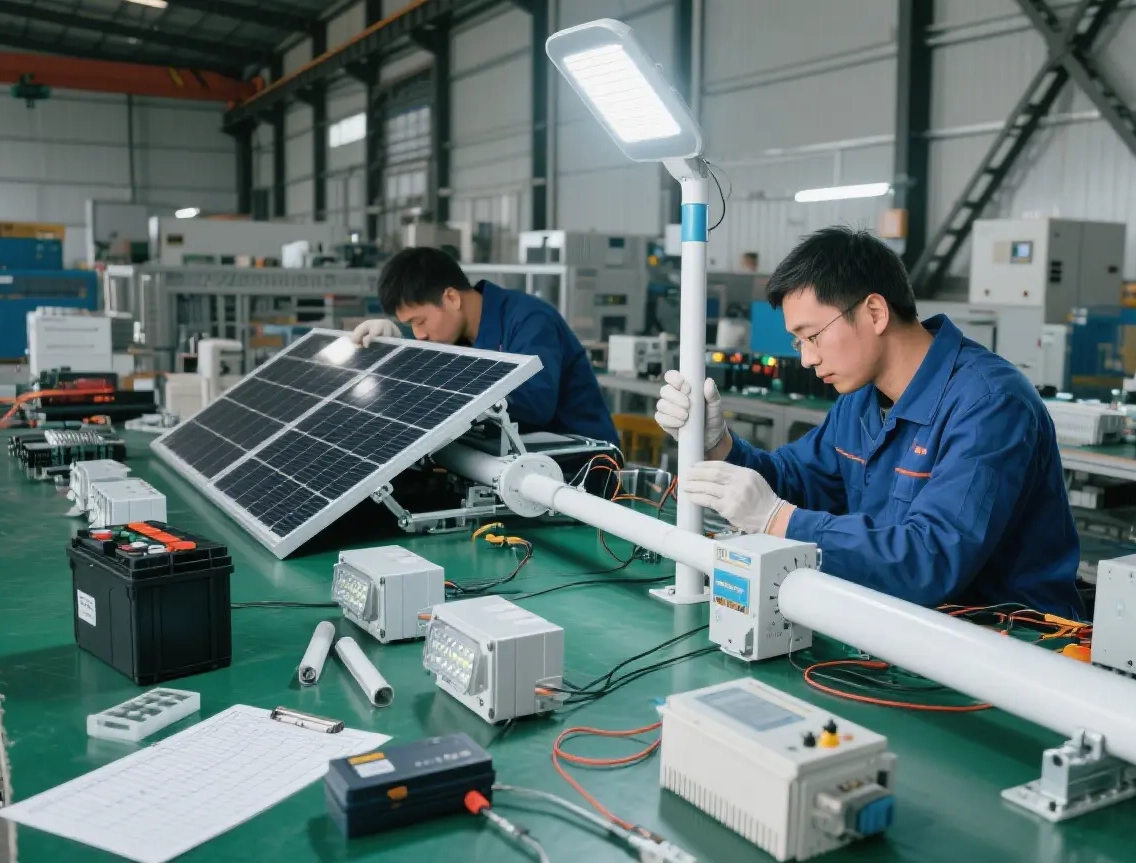
Solar Panel Fabrication
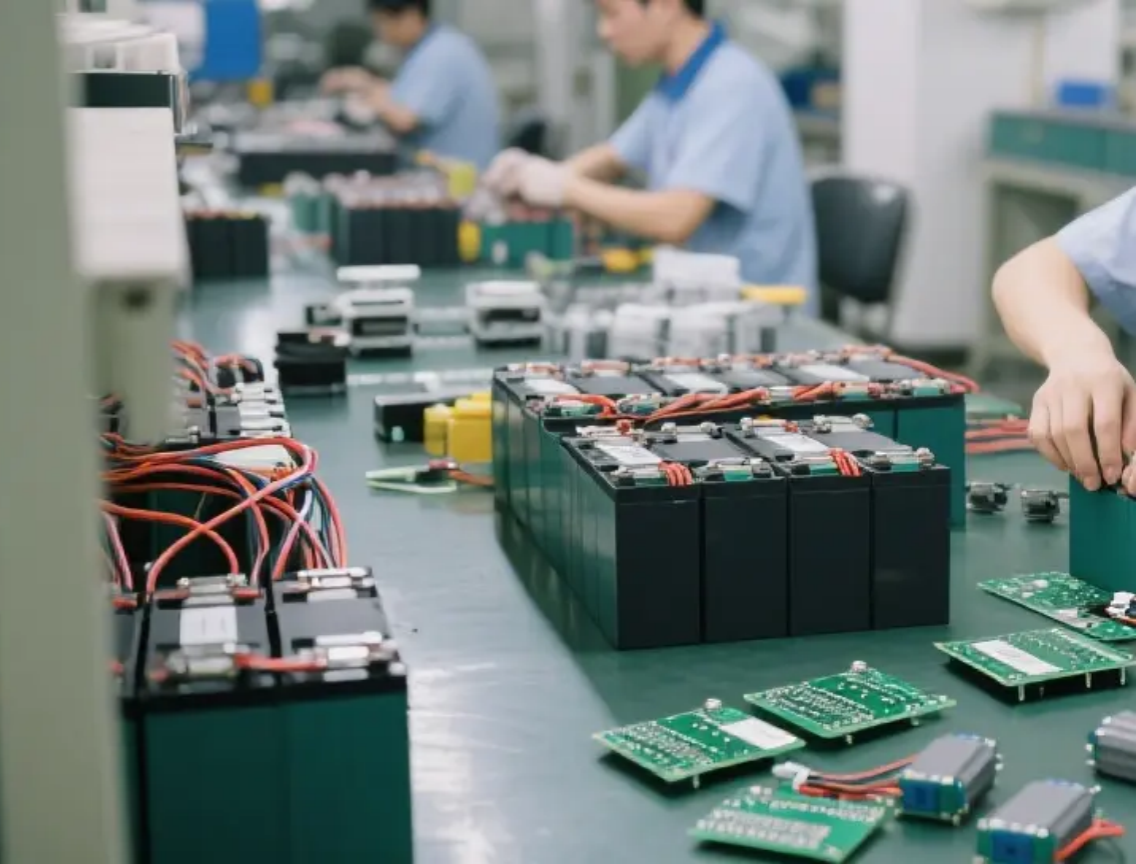
Battery Assembly
Battery Assembly
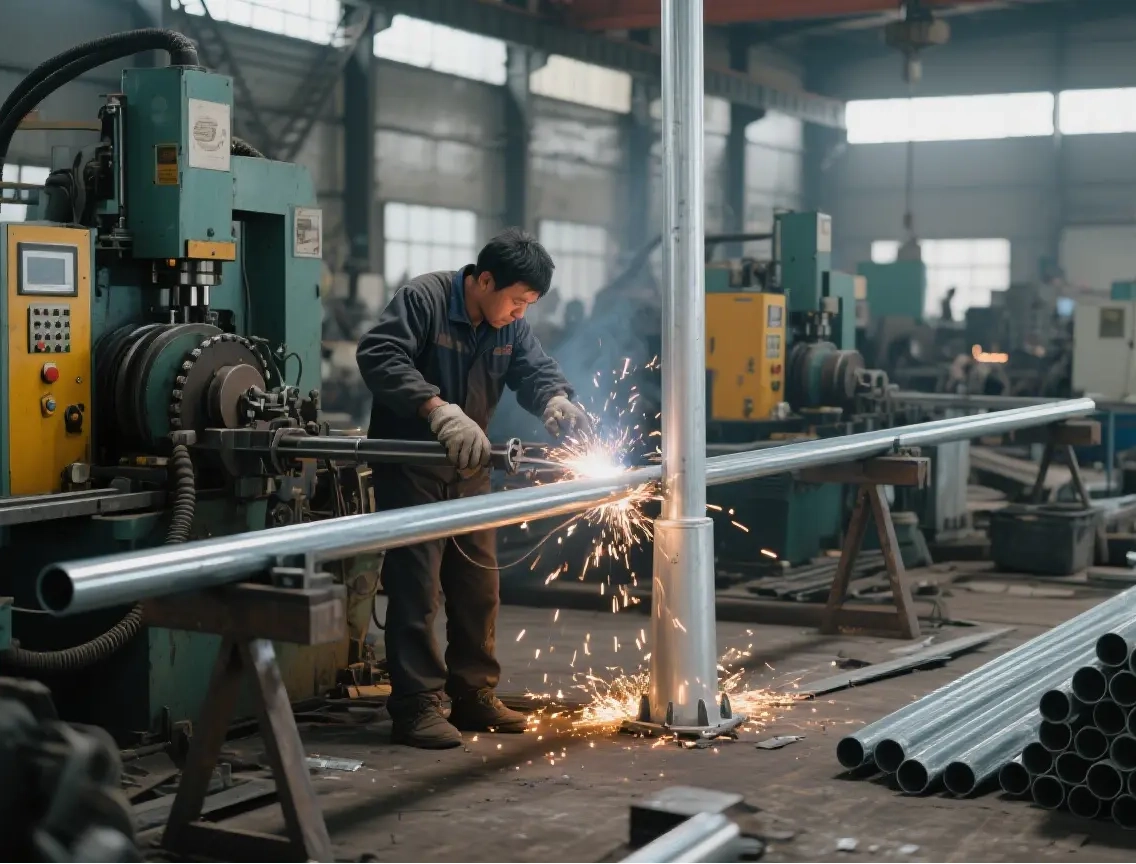
Pole & Bracket Processing
Controller Integration
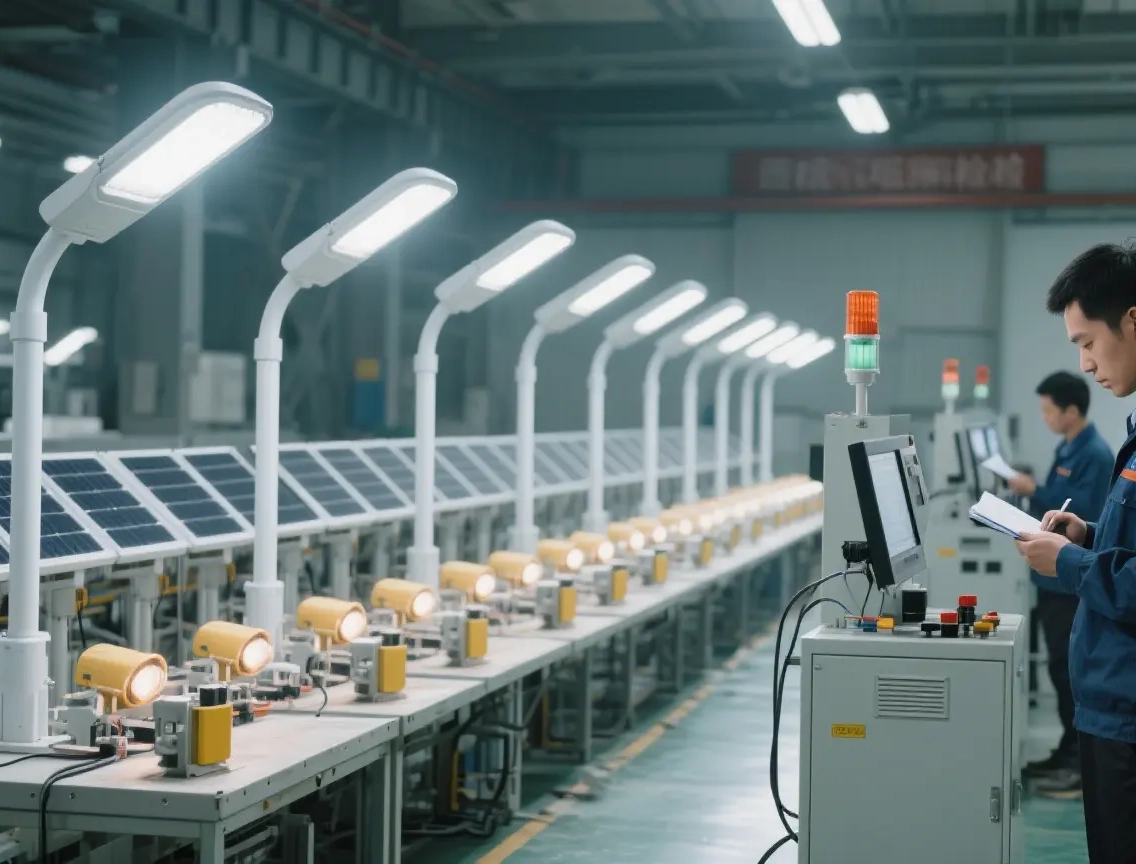
Luminaire Assembly
Luminaire Assembly
System Integration & Debugging
Burn-in & Quality Inspection
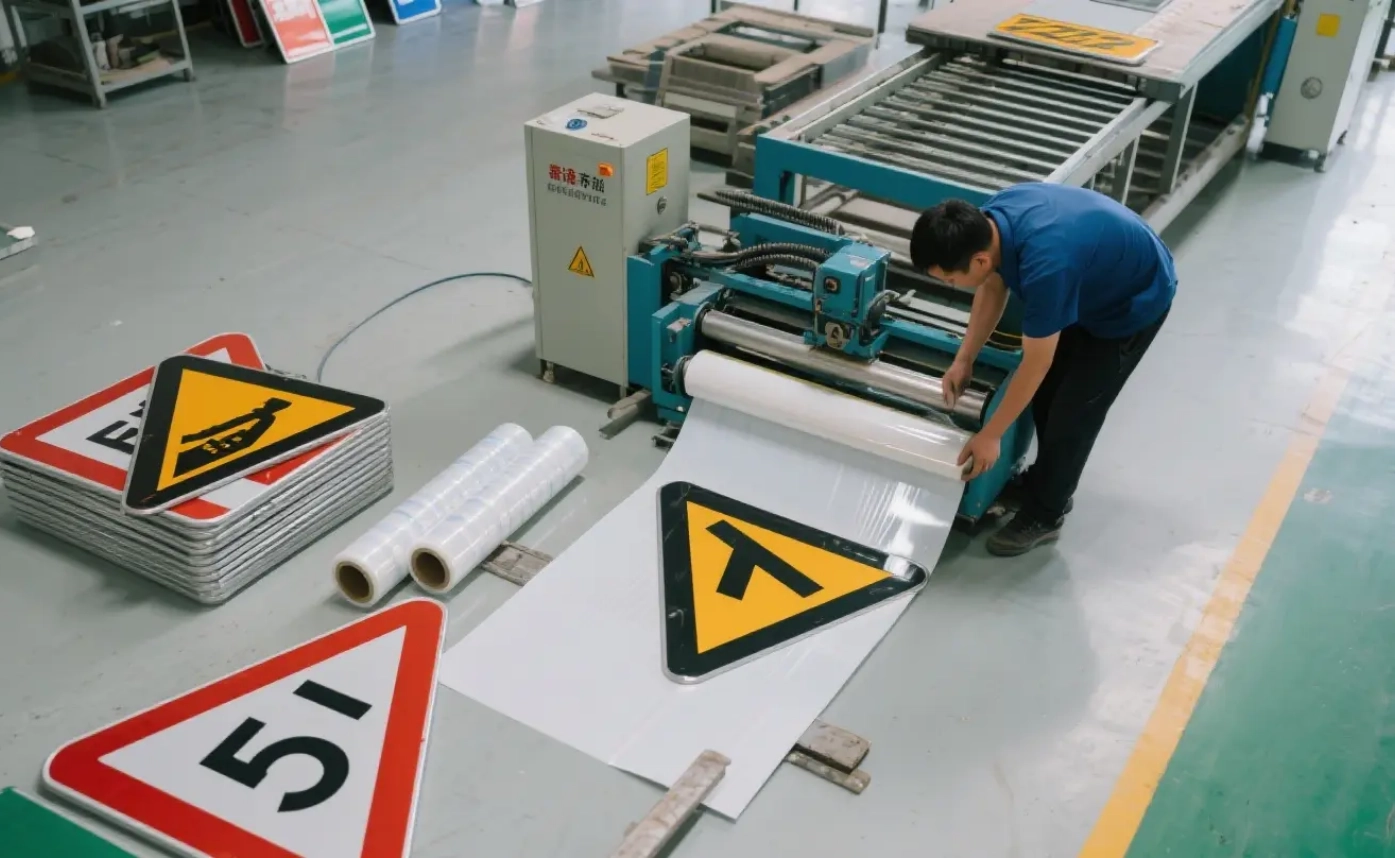
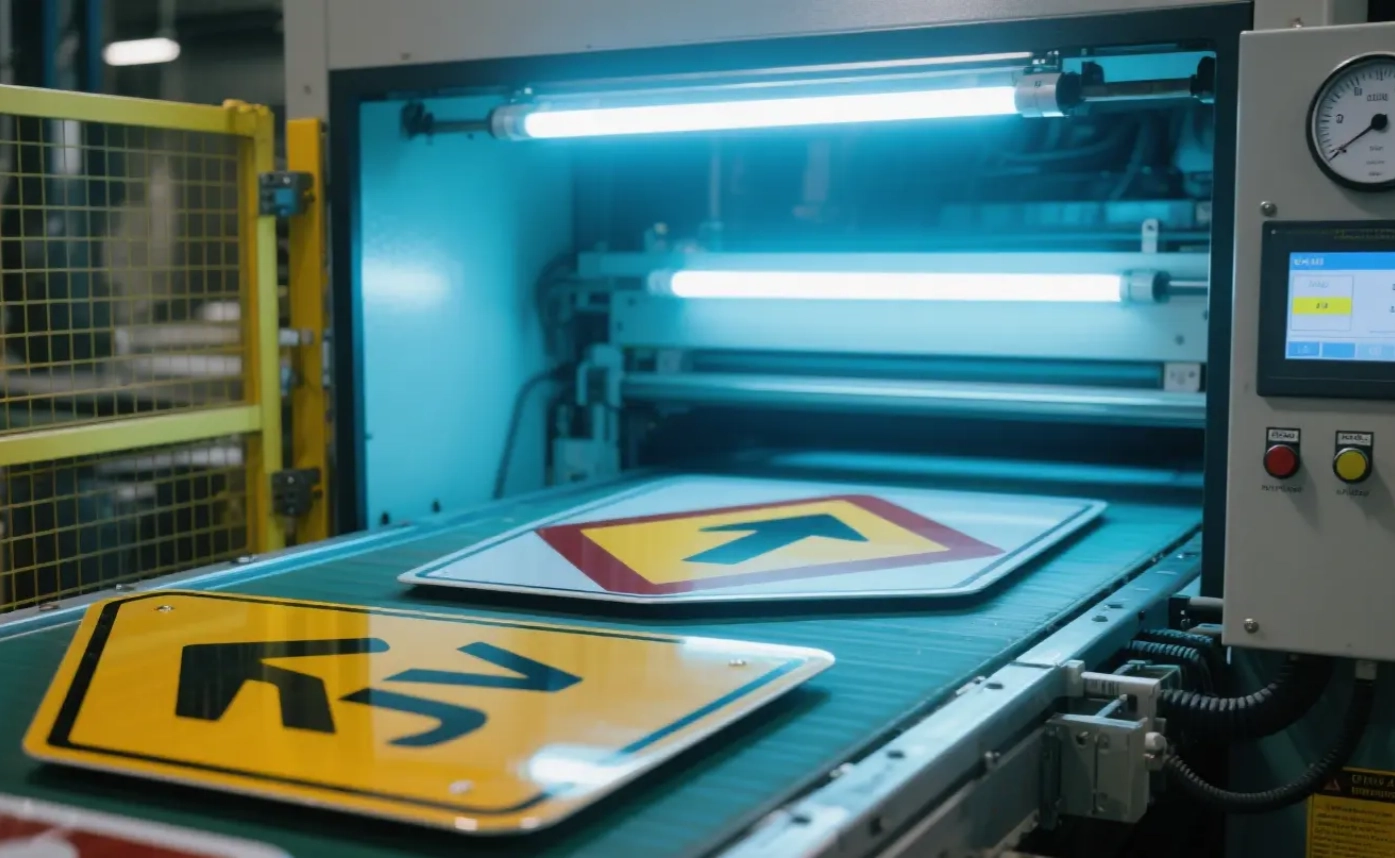
Reflective film laminating
UV curing
UV curing
Welding and forming
Welding and forming
Assembly and welding

Industrial Explosion-Proof Lighting Trends & Directives

In high-risk manufacturing sites, lighting design is undergoing a massive shift towards digitized intelligence. Explosion-proof systems are no longer passive electrical boxes; they are becoming active nodes within larger Industrial Internet of Things (IIoT) architectures. Here are key trends that forward-thinking engineers and procurement specialists monitor:

1. Smart Monitoring & Dynamic Controls

Modern explosion-proof fixtures are increasingly integrated with occupancy and light level sensors. In oil and gas platforms or chemical warehouses, utilizing smart DALI or ZigBee-based drivers allows remote dimming during off-peak hours. In the event of system failures or hazardous gas buildup, the integrated smart systems flag the precise physical address of the device to facilitate proactive maintenance, preventing physical risk to technicians.

2. Solid-State Thermal Engineering

LED arrays release heat from the back of the diodes. Under hazardous area certifications, the temperature classes (T1 to T6) dictate the maximum outer surface temperature a light fixture may reach. Innovative manufacturers use aerospace-grade heat dissipation pathways, allowing high-power LED systems (e.g., 200W+) to operate safely under low T-ratings, even in extreme ambient temperatures exceeding 55°C.

3. Hybrid Solar-Powered Systems

For isolated areas in ports, tank fields, and remote pipelines, running high-voltage copper conduit is incredibly cost-prohibitive. Hybrid configurations pairing Class I Div 2 solar structures with high-density lithium storage are solving local logistics bottlenecks, ensuring critical perimeter and safety pathway illumination during complete grid shutdowns.

Explore Our Full Hazardous Area & Tri-Proof Lighting Line

Durable, high-efficiency vapor-tight, high-bay, and linear tube fixtures manufactured to meet rigorous compliance certifications for global and domestic installations.
LED Triproof Light Fixture

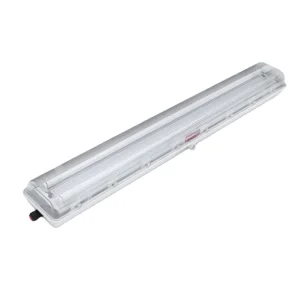
LED Triproof Light Fixture Explosion-Proof Double Plastic Tube Lamp for Los Angeles Chemical Storage Warehouses

View Details & Specs →
Explosion-proof LED Highbay Light

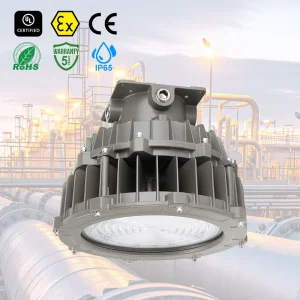
Industrial Explosion-Proof LED Highbay Light 90W-200W IP65 Waterproof DOB Design for Petrochemical Plants

View Details & Specs →
ATEX Aluminum Anti-explosion LED Tube Light

ATEX Certified Aluminum Anti-Explosion LED Tube Light IP66 Fluorescent Linear Replacement WF1

View Details & Specs →
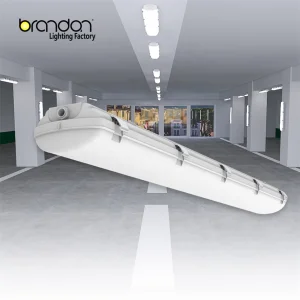
Industrial Explosion-Proof LED Batten Light

Brandon Industrial Surface-Mounted LED Batten Tri-Proof Waterproof Light for Port of LA Port Terminals

View Details & Specs →
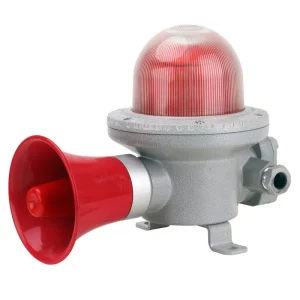
Waterproof Explosion-Proof Led Light Siren

Waterproof Explosion-Proof LED Flashing Warning Siren Light Alarm Horn 40W 180DB for Refineries

View Details & Specs →
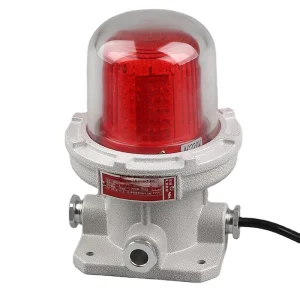
Aviation Obstruction Beacon Light

CBZ 10W LED Aviation Obstruction Beacon Flashing Red Explosion-Proof IP65 AC220V for High-Rise Structures

View Details & Specs →
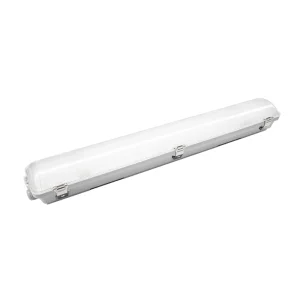
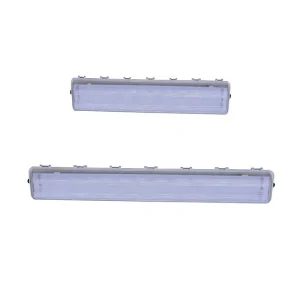
IP65 Led Tri-proof Tube Light

IP65 Led Tri-proof Tube Light Linear Batten Heavy Duty Commercial Tri Proof Led Explosion Proof System

View Details & Specs →
BYS Engineer Plastic Explosion Proof Light

BYS Engineer Plastic Corrosion-Proof 2x36W 4ft LED Light Fixture IP66 Waterproof Dustproof

View Details & Specs →
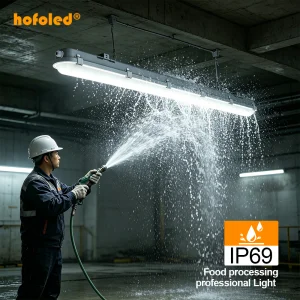
IP69K LED Vapor Tight Light

IP69K LED Vapor Tight PMMA NSF HACCP Certified Food Grade High Pressure Washdown Batten

View Details & Specs →
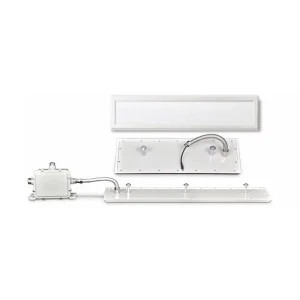
LED Explosion-proof flat light

LED Explosion-Proof Flat Light IP66 25W-60W Tempered Glass for Zone 1 & Zone 2 Hazardous Areas

View Details & Specs →
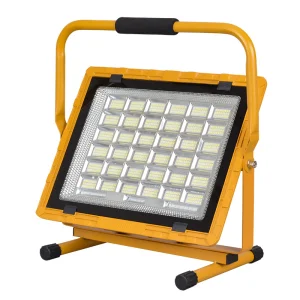
Portable LED Explosion Proof Light

Portable LED Explosion Proof Rechargeable Floodlight Work Light for Marine Inspections

View Details & Specs →
2*30W LED Explosion-Proof Light

Heavy-Duty Factory Supply 2*30W LED Explosion-Proof Light IP66 Sealed Corrosion-Resistant Design

View Details & Specs →

Frequently Asked Questions: Explosion-Proof Lighting

Critical compliance, mechanical standards, and engineering queries explained by our safety experts.

What is the difference between Class I Div 1 and Class I Div 2 hazardous environments?
Class I Division 1 covers locations where flammable gases, vapors, or liquids are present continuously, intermittently, or periodically under normal operating conditions. Class I Division 2 locations are those where flammable substances are handled, processed, or used, but are normally confined within closed containers or systems, escaping only in case of accidental rupture, breakdown, or abnormal operations. Lights used in Div 1 must be explosion-proof (contain internal explosions), while Div 2 can utilize sealed, non-arcing hermetic designs.
What certification requirements apply to industrial facilities near the Port of Los Angeles?
Installations in Southern California must comply with the National Electrical Code (NEC), specifically Article 500-504. In marine terminal and refinery settings, systems must have NRTL certifications (such as UL844) proving they are safe for Class I, Division 1 or 2 (Groups B, C, D). Additionally, California Title 24 requires specific lighting power density limits and automated controls to reduce regional energy consumption.
How does a fixture achieve an "explosion-proof" rating?
"Explosion-proof" does not mean the fixture is invulnerable to external explosions. Instead, it means the heavy-duty enclosure is capable of containing any internal spark or explosion generated within the light, preventing it from igniting volatile gases in the surrounding atmosphere. The joint paths (flame paths) are engineered to cool escaping hot gases down below the ignition point of the external environment before they reach the outside.
Why is the Temperature Class (T-Rating) crucial for LED fixtures?
The T-rating represents the maximum surface temperature that any part of the fixture can reach during continuous operation in high ambient conditions. If a chemical has an auto-ignition temperature of 150°C, you must install lighting with a T-rating lower than that (e.g., T4 = 135°C or lower) to prevent spontaneous thermal ignition of vapors touching the housing surface.
Can LED vapor-tight lights replace actual explosion-proof lights?
No. Vapor-tight lights (like IP65/IP66/IP69K tri-proof models) are sealed against moisture, dust, and non-flammable vapors. However, they are not structural containments designed to control gas migration or survive internal arc ignition. Installing a standard vapor-tight fixture in a Class I Div 1 area is a severe safety violation.
How does salt fog affect marine-grade hazardous lighting?
Coastal marine areas present high concentrations of sodium chloride, which acts as a catalyst for oxidation. For ports and offshore platforms, our fixtures use copper-free aluminum, industrial powder coatings, and 316 stainless steel mounting plates to pass ASTM B117 salt-spray tests, ensuring long-term structural integrity and safe operation.