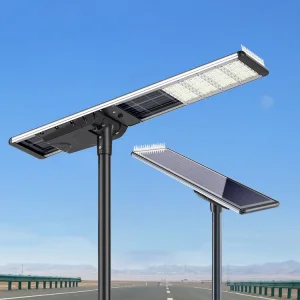
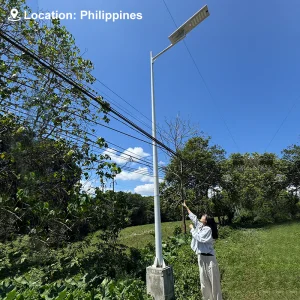
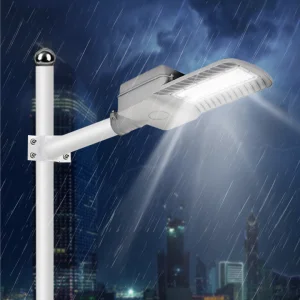
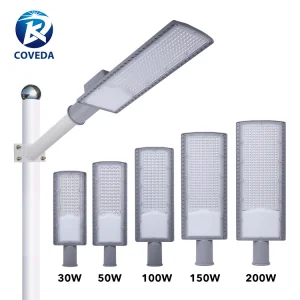
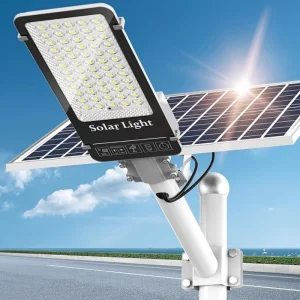
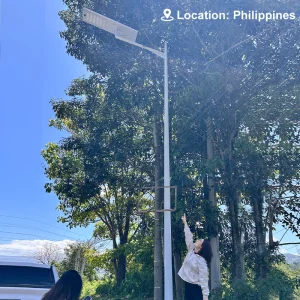
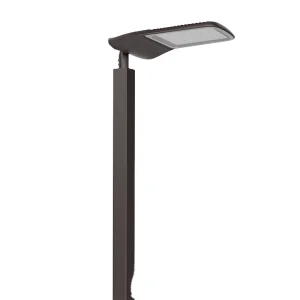
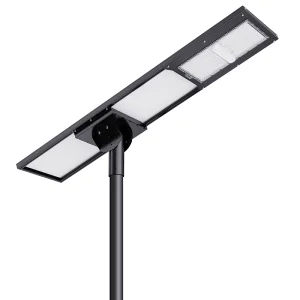
Advanced high-lumen, weather-resistant structural systems integrated for Turkey’s commercial arterials and public infrastructure.
As Turkey’s financial and cultural heart, Istanbul bridges two continents under a complex set of environmental conditions. The city Metropolitan Municipality (IBB) has committed to extensive decarbonization efforts, seeking smart, decentralized infrastructure to support its 16 million residents. With microclimates ranging from humid maritime conditions along the Bosporus to high wind loads off the Black Sea, municipal and industrial lighting installations face extreme mechanical and electrical stress. Traditional grid-tied systems suffer from high energy costs and complex trenching requirements in historical urban grids.
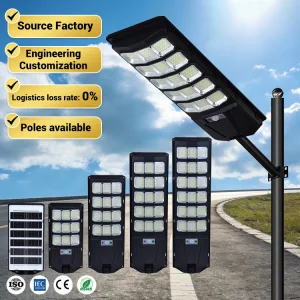
By implementing Industrial Solar Street Lighting, project developers bypass traditional civil excavation costs—particularly critical in historical peninsulas like Fatih, where deep trenching can disturb archaeological strata. Furthermore, solar luminaires maintain continuous operation during grid instabilities, securing transport nodes and public walks during emergencies. To survive the local wind profiles and high atmospheric humidity, lighting fixtures must be engineered with advanced structural integrity, IP66 waterproof ratings, and high-performance powder coatings that prevent marine corrosion.
The global solar lighting industry is moving rapidly toward total smart system integration. The days of standalone, unmonitored solar poles are yielding to smart arrays controlled via LoRaWAN or NB-IoT networks. Standard parameters now demand highly efficient Monocrystalline Silicon solar panels (exceeding 21% efficiency) coupled with Lithium Iron Phosphate (LiFePO4) battery chemistry. Compared to outdated Lead-Acid or Gel batteries, LiFePO4 cells deliver up to 3,000 charge cycles at 80% Depth of Discharge (DoD), ensuring over eight years of continuous operation without maintenance. This global transition directly supports the UN's Sustainable Development Goals (SDG 7 and SDG 11), making solar public lighting a primary requirement for clean smart city tenders worldwide.
Established in 1998, Lukas Lighting has evolved from an regional industrial light manufacturer into a major global exporter of advanced, certified solar street lighting systems.
Jiangsu Lukas Lighting Co., Ltd. was established in 1998 with a strong commitment to innovation, quality, and sustainability in the outdoor lighting industry. Over more than two decades of development, the company has grown into a professional manufacturer specializing in intelligent and energy-efficient street lighting solutions.
With continuous investment in research and development, Lukas Lighting has expanded its product portfolio to include LED street lights, solar street lights, smart lighting systems, landscape lighting, and customized municipal lighting solutions. Our products are widely used in urban roads, highways, industrial parks, residential communities, and public infrastructure projects across global markets.
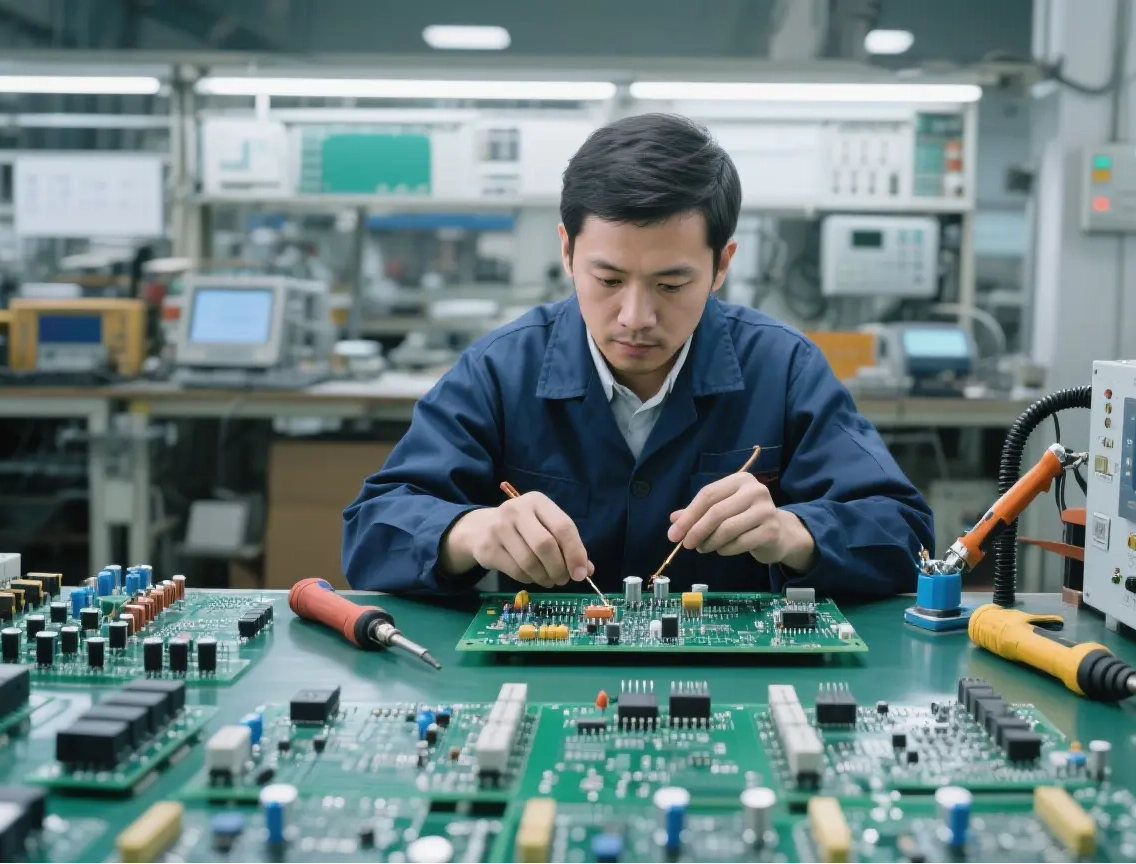
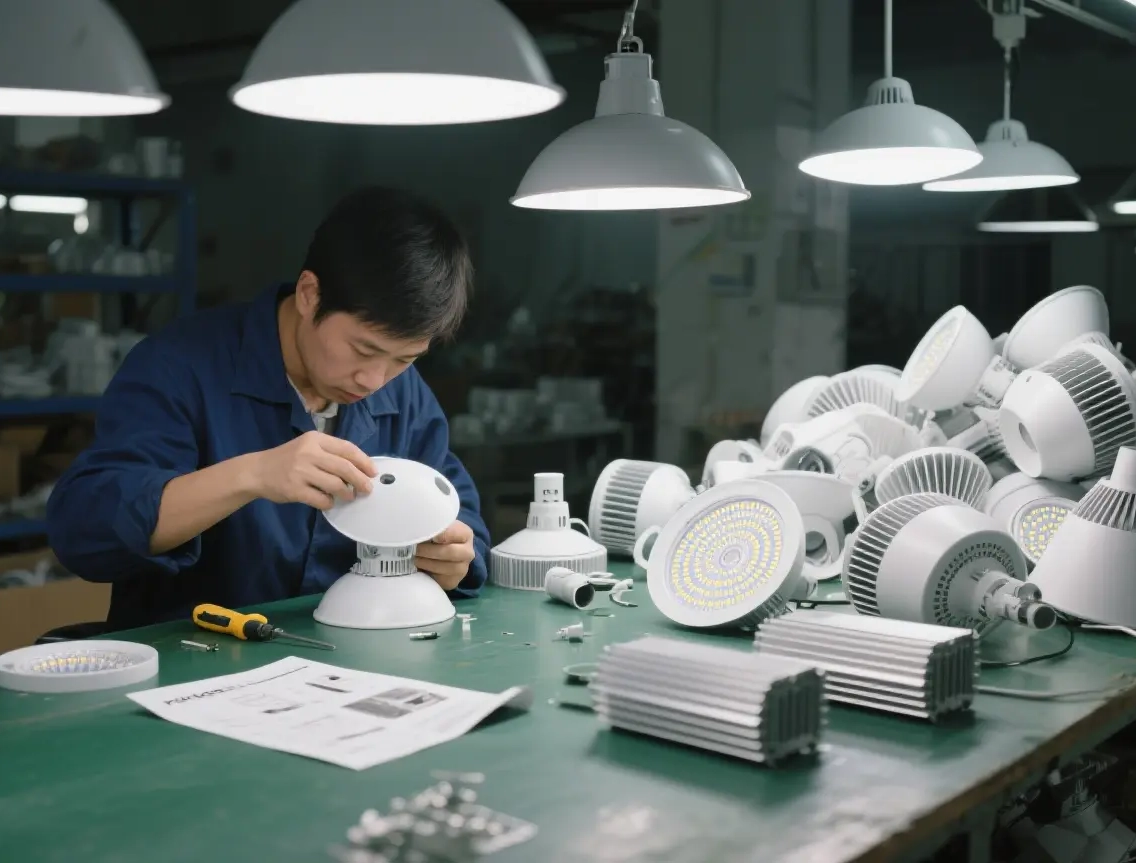
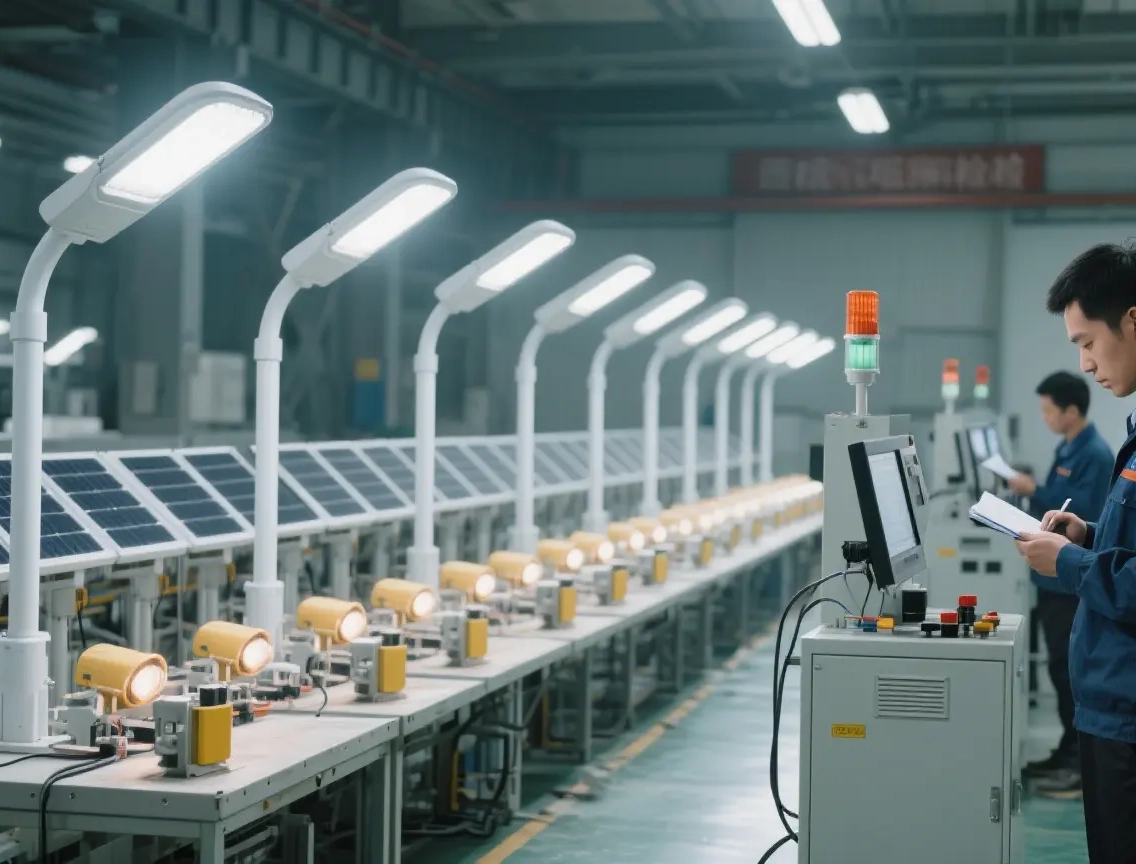
Located in Jiangsu, China, our modern production base covers an area of approximately 11,000 square meters. The facility is equipped with advanced manufacturing technologies and operated by a team of experienced engineers and skilled technicians. This ensures strict quality control, precision manufacturing, and efficient large-scale production capabilities.
Maintaining micro-level quality control across all component fabrication steps to guarantee 10+ years of operational durability in harsh environments.
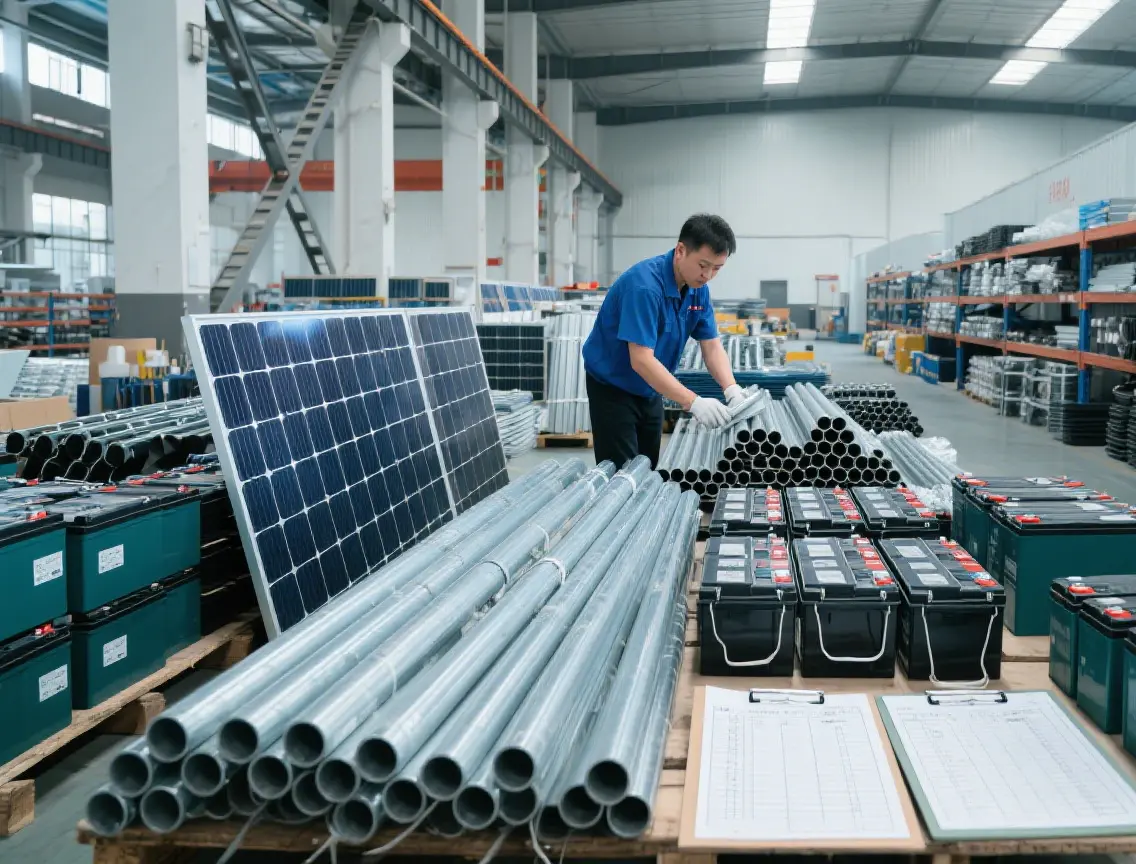
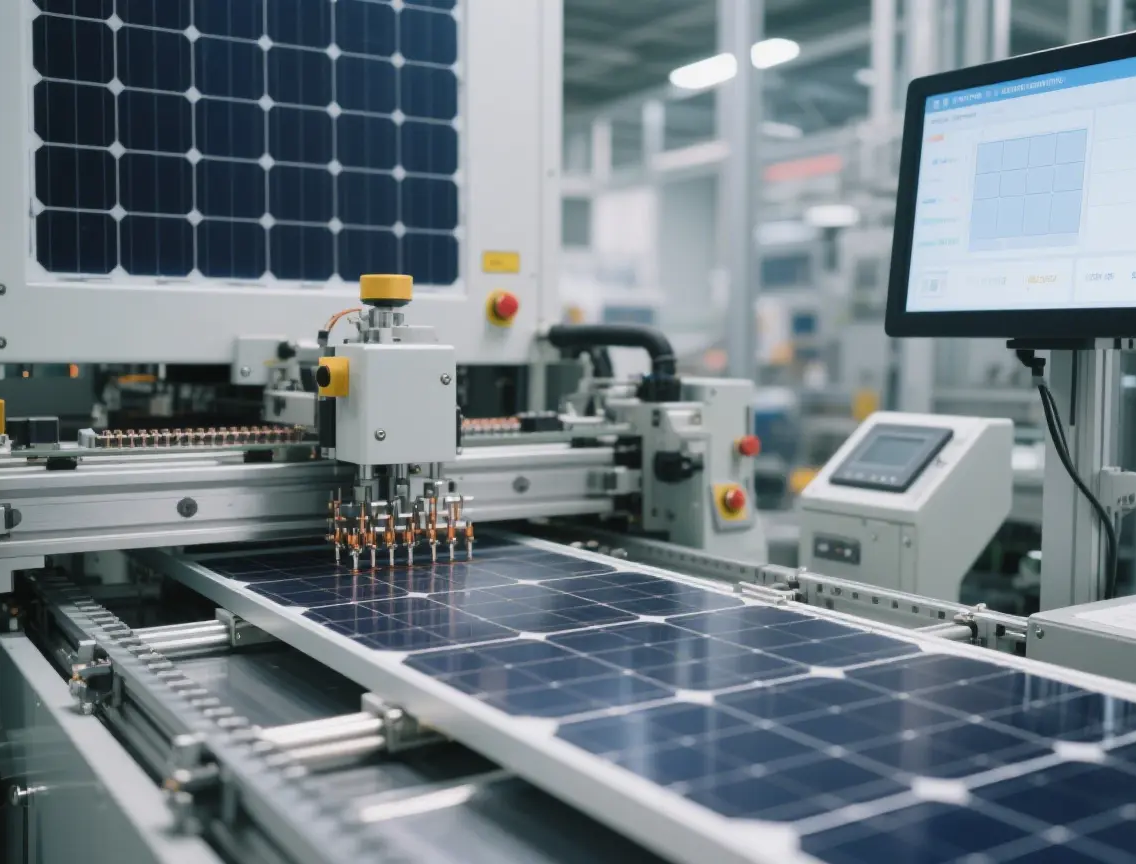
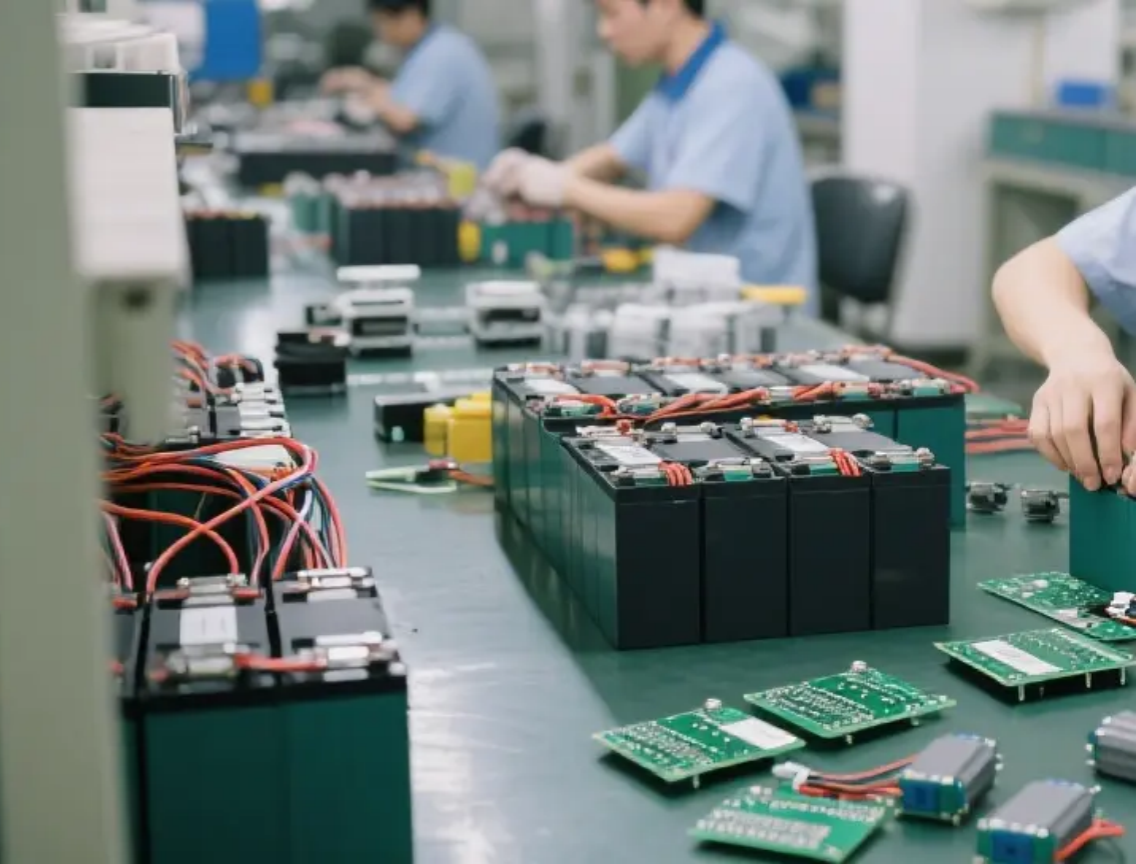
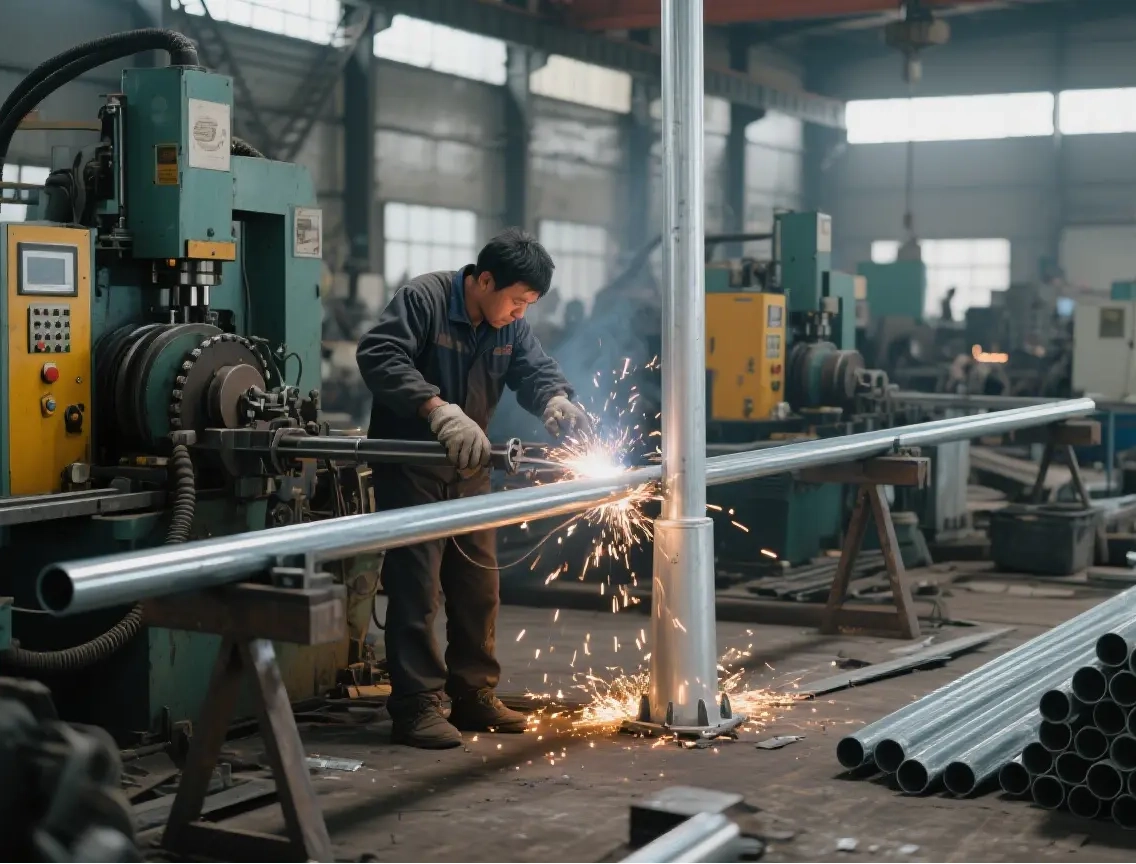
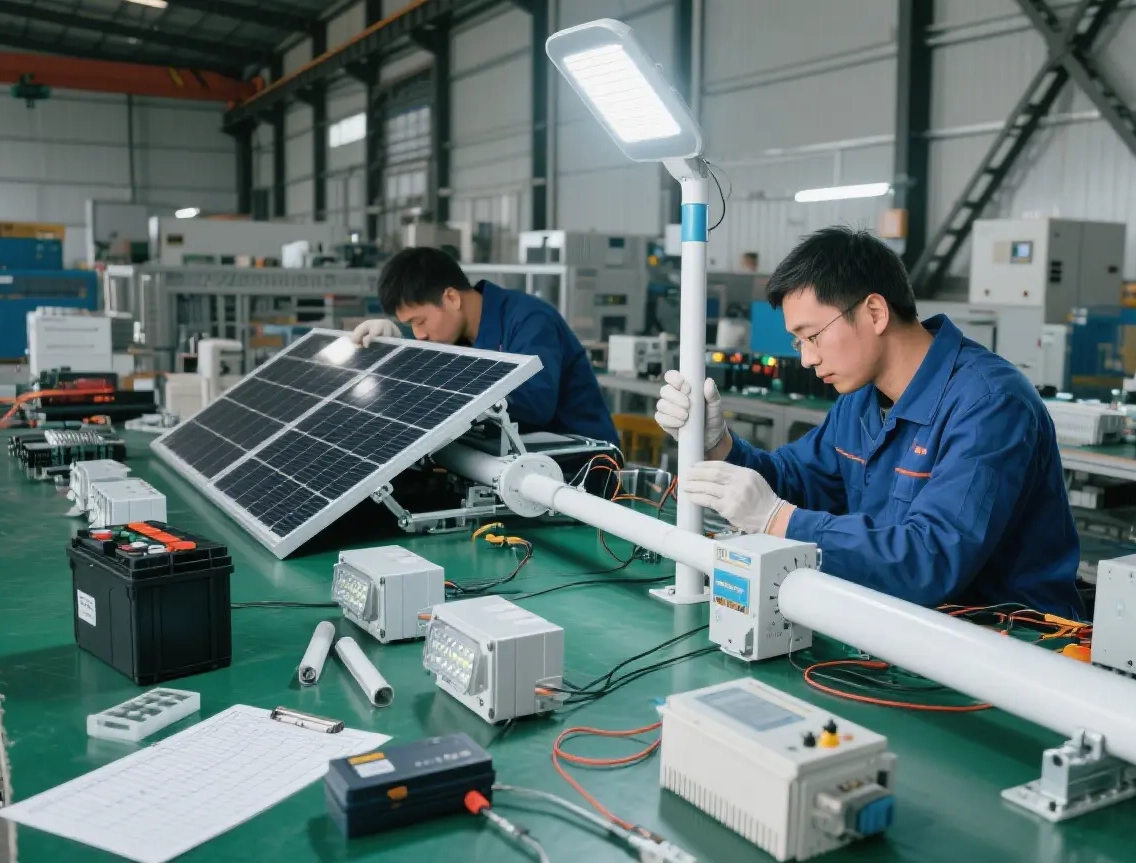
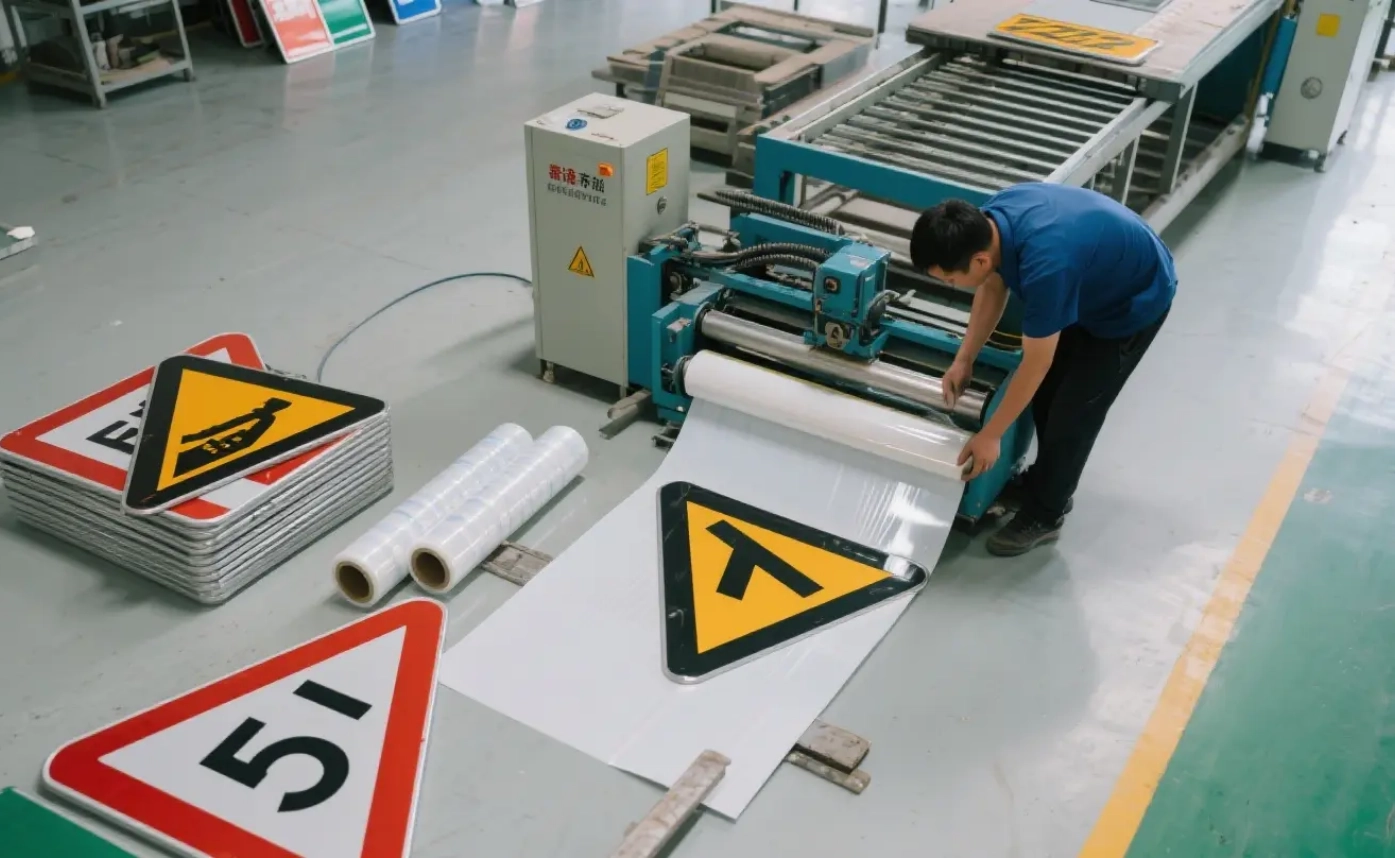
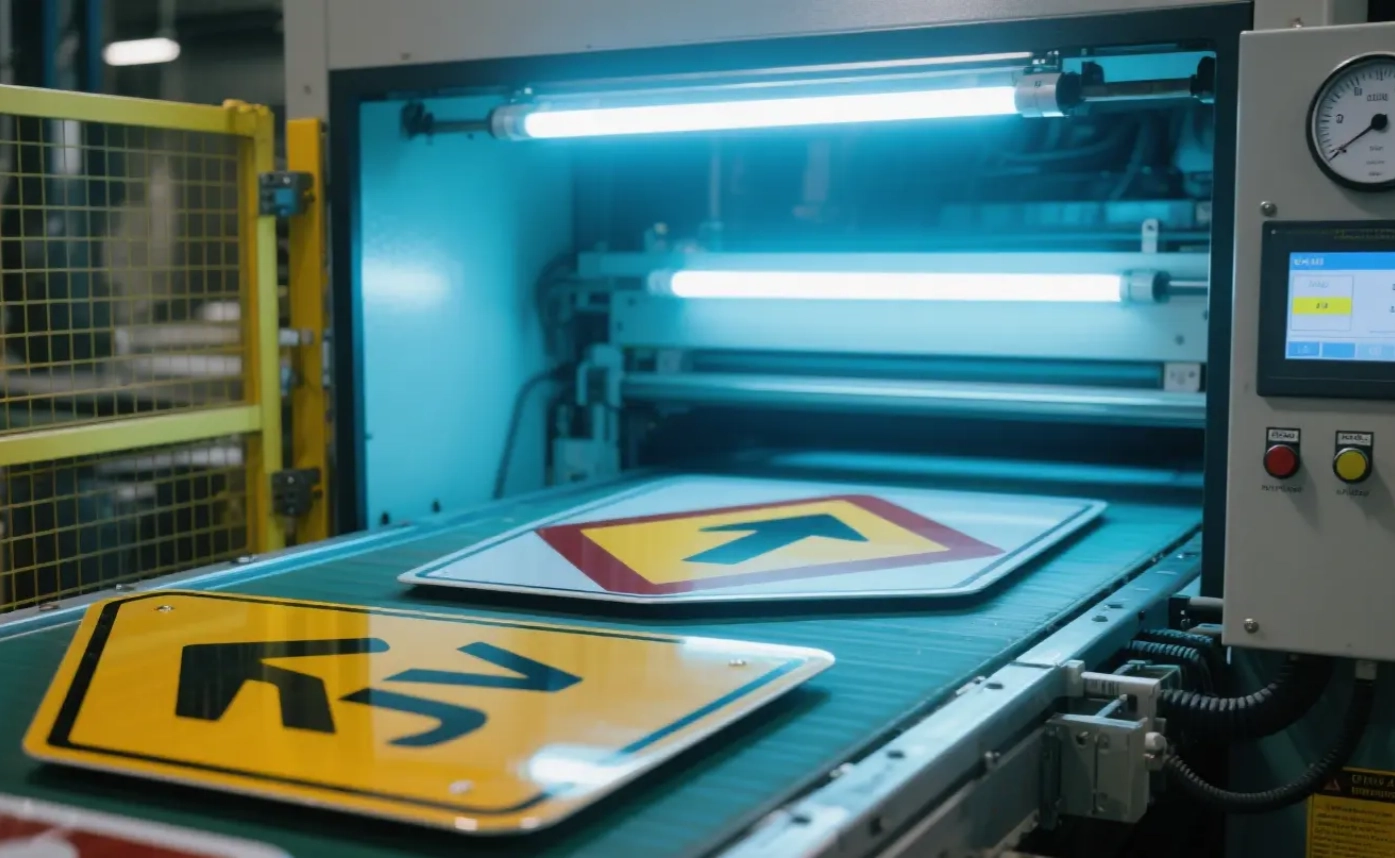
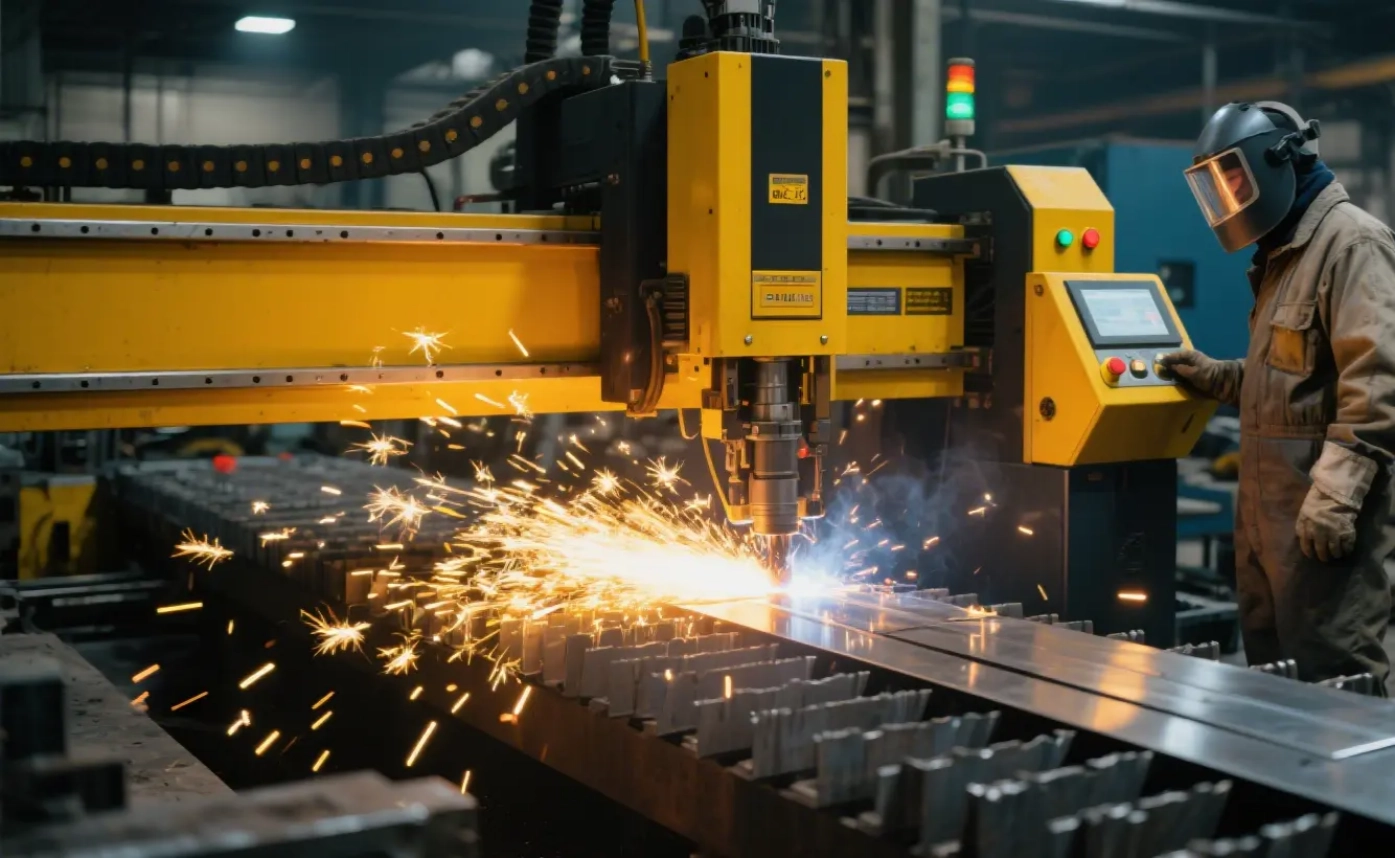
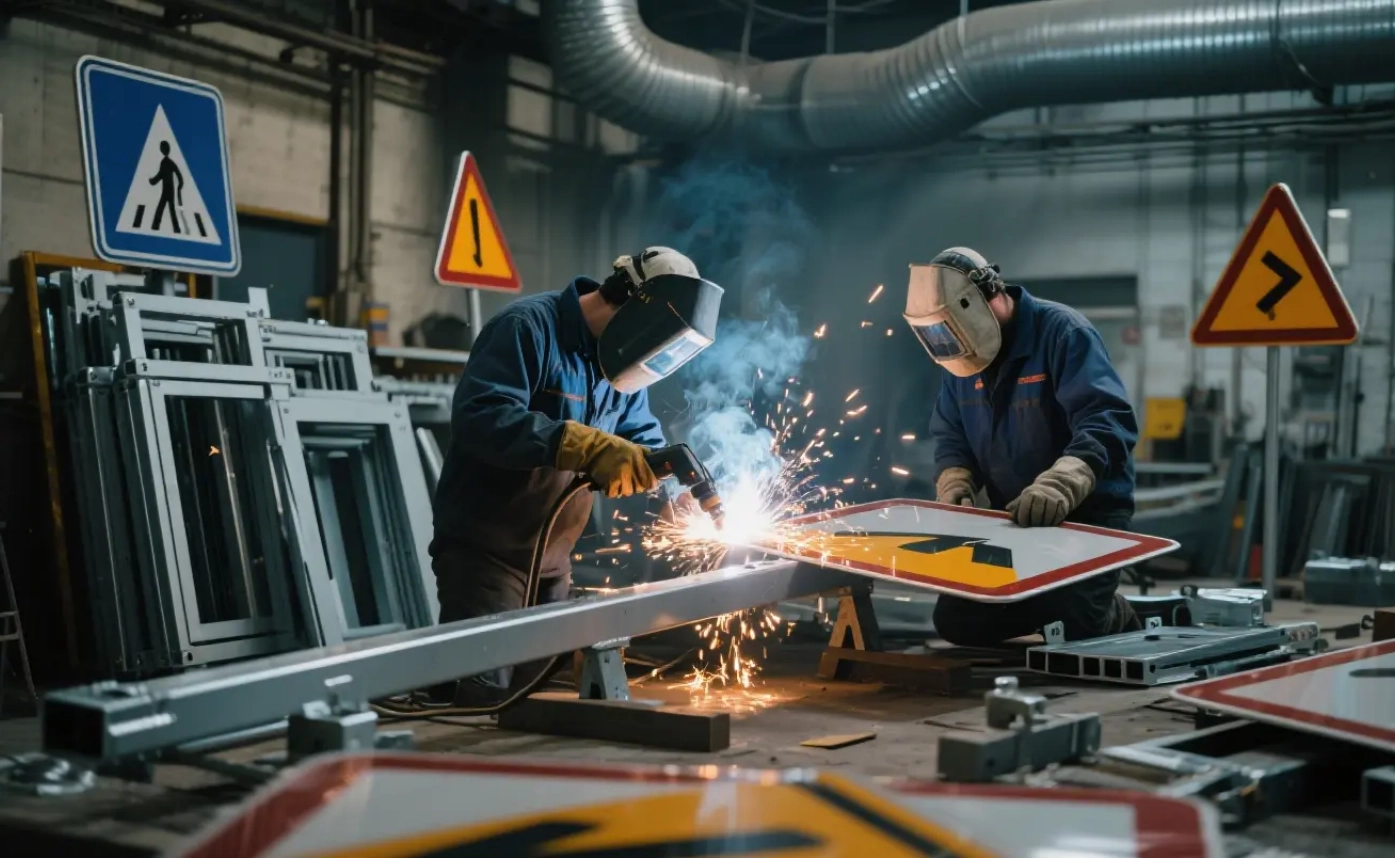
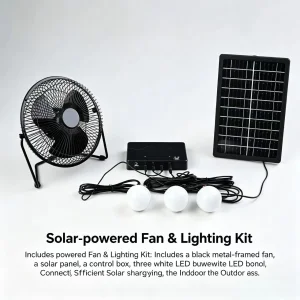
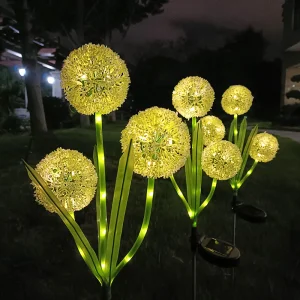
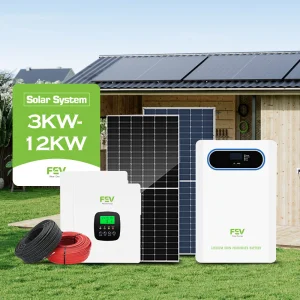
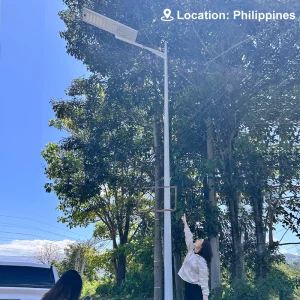
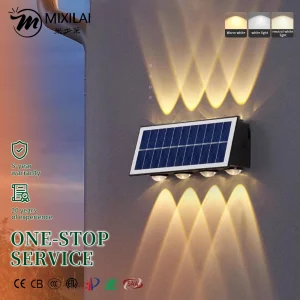
Complementary off-grid kits, high-efficiency solar panels, and architectural lighting options tailored for regional urban developments.
Sourcing directly from our state-of-the-art production facility in Jiangsu, China, gives global procurement officers and Turkish importers a decisive market edge. China’s deep supply chain integration in LED manufacturing, semiconductor wafer production, and solar cell assembly enables Lukas Lighting to operate with optimized lead times and highly competitive pricing models that local assembly facilities in Europe or the Middle East cannot replicate.
We leverage automated SMT lines for printed circuit board assembly, high-speed robotic welding systems for pole configurations, and advanced UV curing technology to ensure that all metallic housings can withstand high saline exposure. Every batch of luminaires undergoes exhaustive automated test procedures, including photometric testing via goniophotometers to generate accurate IES files, salt spray chamber testing to verify corrosion resistance, and structural vibration testing to match seismic and wind load configurations. These strict quality controls guarantee international certifications such as CE, RoHS, TUV, and IP66.
For optimal performance in Istanbul, solar street lighting must be customized to specific micro-locations:
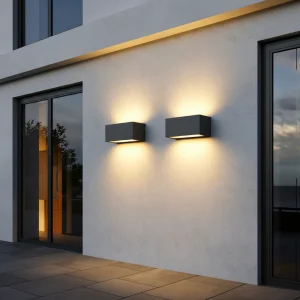
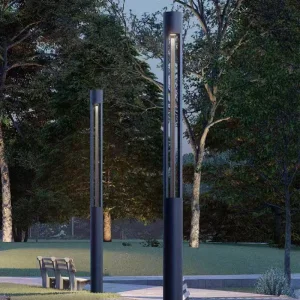
A comprehensive selection of commercial luminaires, adjustable fixtures, structural steel poles, and wall washer designs optimized for Turkey's business hubs.
When engineering teams prepare tenders for municipal lighting projects in Istanbul and surrounding regions, specifying precise physical and electrical properties is critical to ensuring operational longevity. Standard compliance ensures the design stands up to maritime environment parameters:
Partner with Jiangsu Lukas Lighting for industrial-grade, certified solar solutions engineered specifically for Turkey's municipal and commercial requirements.
Send Inquiry Now Lukas Lighting