High-efficiency, weather-resilient obstruction and runway warning configurations designed to integrate seamlessly into Korean civil aviation networks.
The Seoul Metropolitan Area stands as one of the most critical logistical and aviation hubs in the Asia-Pacific region. Led by Incheon International Airport (ICN)—a global benchmark for airport efficiency and transit capacity—and supported by the historical, high-traffic domestic corridors of Gimpo International Airport (GMP), the demands placed upon airfield visual landing aids (VLAs) and runway lighting technologies are extraordinary. Operating in a geography prone to severe seasonal weather swings, dense marine fog rolling off the Yellow Sea, and freezing Siberian winter winds, Seoul's airport authorities require aviation-grade lighting that guarantees Category III (CAT-III) operational consistency.
At the same time, the global airfield ground lighting (AGL) sector is undergoing a massive transformation. Driven by international decarbonization goals and the integration of smart-grid topologies, legacy halogen runway systems are rapidly being retired in favor of high-performance, solid-state LED systems and off-grid solar-powered arrays. To service this sophisticated landscape, developers and procurement directors in South Korea look toward global supply chains that balance structural customization, absolute ICAO Annex 14 compliance, and economic feasibility. As a premier exporter, Jiangsu Lukas Lighting delivers exactly this sweet spot of technical compliance and agile, cost-optimized manufacturing.
Runway safety parameters in South Korea require local adaptions. Specifically, coastal airports like ICN suffer from low visibility conditions that demand high-intensity runway centerline, touchdown zone (TDZ), and approach lighting that cut through dense sea fog. Furthermore, military and civilian co-use air bases around Gyeonggi-do require robust, dual-mode tactical obstruction lighting and explosion-proof airfield assemblies to secure heavy-payload fighter and transport taxiways. These extreme operational matrices mean that lighting components must withstand deep structural stress (heavy wheel loads exceeding 30 tons per tire) while maintaining precise photometric profiles.
Jiangsu Lukas Lighting Co., Ltd. was established in 1998 with a strong commitment to innovation, quality, and sustainability in the outdoor lighting industry. Over more than two decades of development, the company has grown into a professional manufacturer specializing in intelligent and energy-efficient street lighting solutions.
With continuous investment in research and development, Lukas Lighting has expanded its product portfolio to include LED street lights, solar street lights, smart lighting systems, landscape lighting, and customized municipal lighting solutions. Our products are widely used in urban roads, highways, industrial parks, residential communities, and public infrastructure projects across global markets.
Located in Jiangsu, China, our modern production base covers an area of approximately 11,000 square meters. The facility is equipped with advanced manufacturing technologies and operated by a team of experienced engineers and skilled technicians. This ensures strict quality control, precision manufacturing, and efficient large-scale production capabilities.
Our industrial geographical footprint in China grants us direct access to the world’s most comprehensive optoelectronic supply chain, enabling Lukas to deliver precision-engineered runway lights at a fraction of the lead time of traditional European and North American manufacturers. We pass these raw material and processing savings directly to international procurement teams looking to optimize capital expenditures.
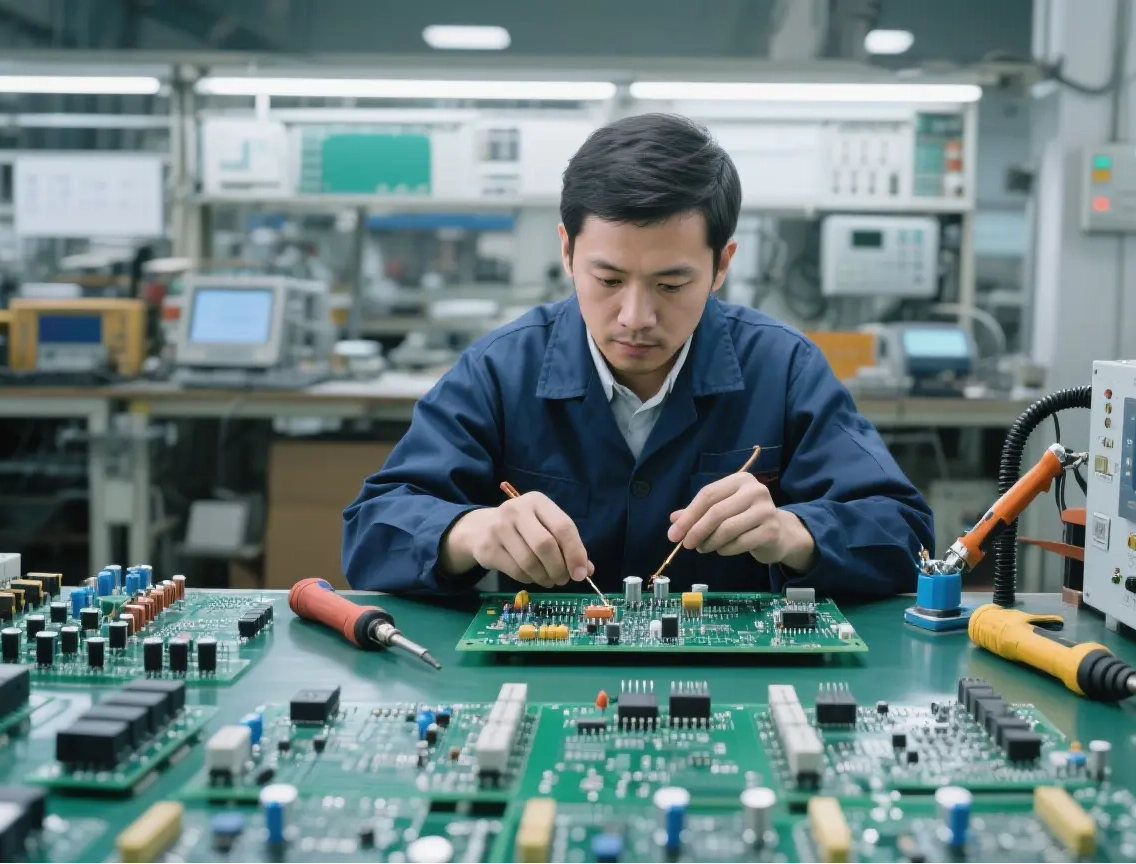
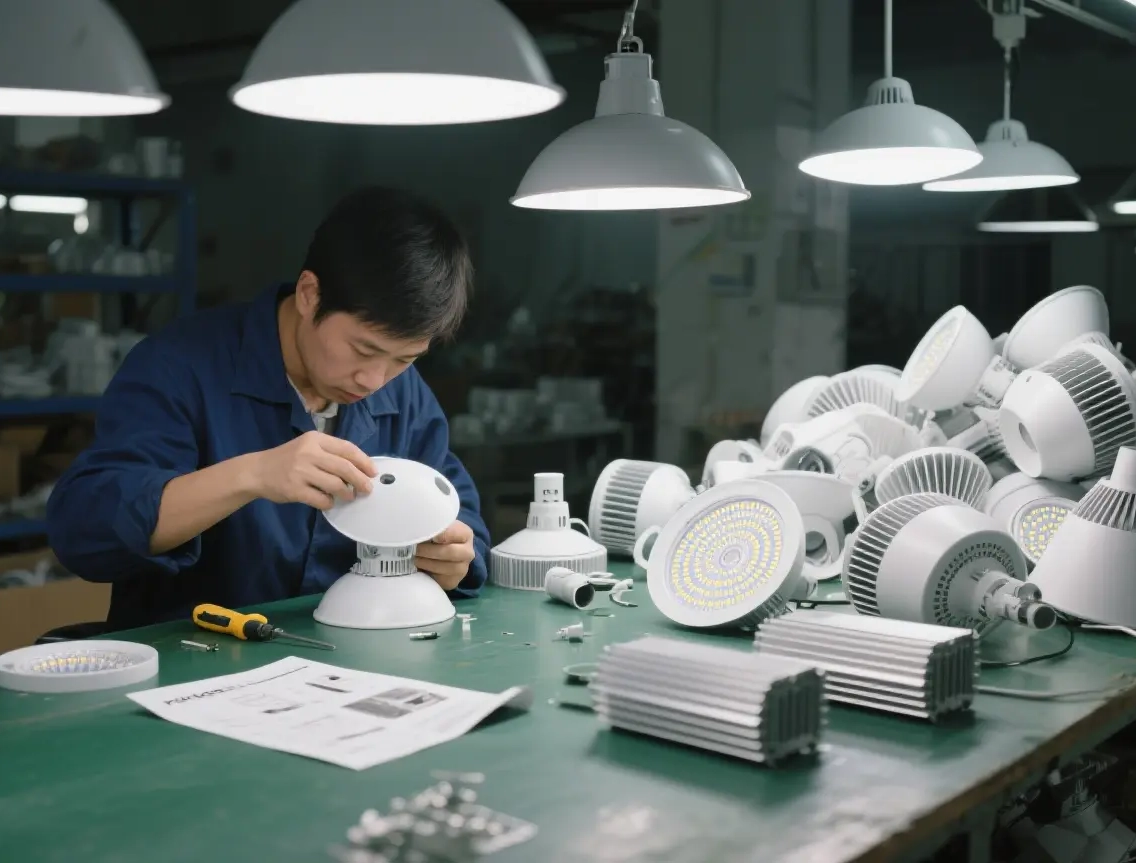
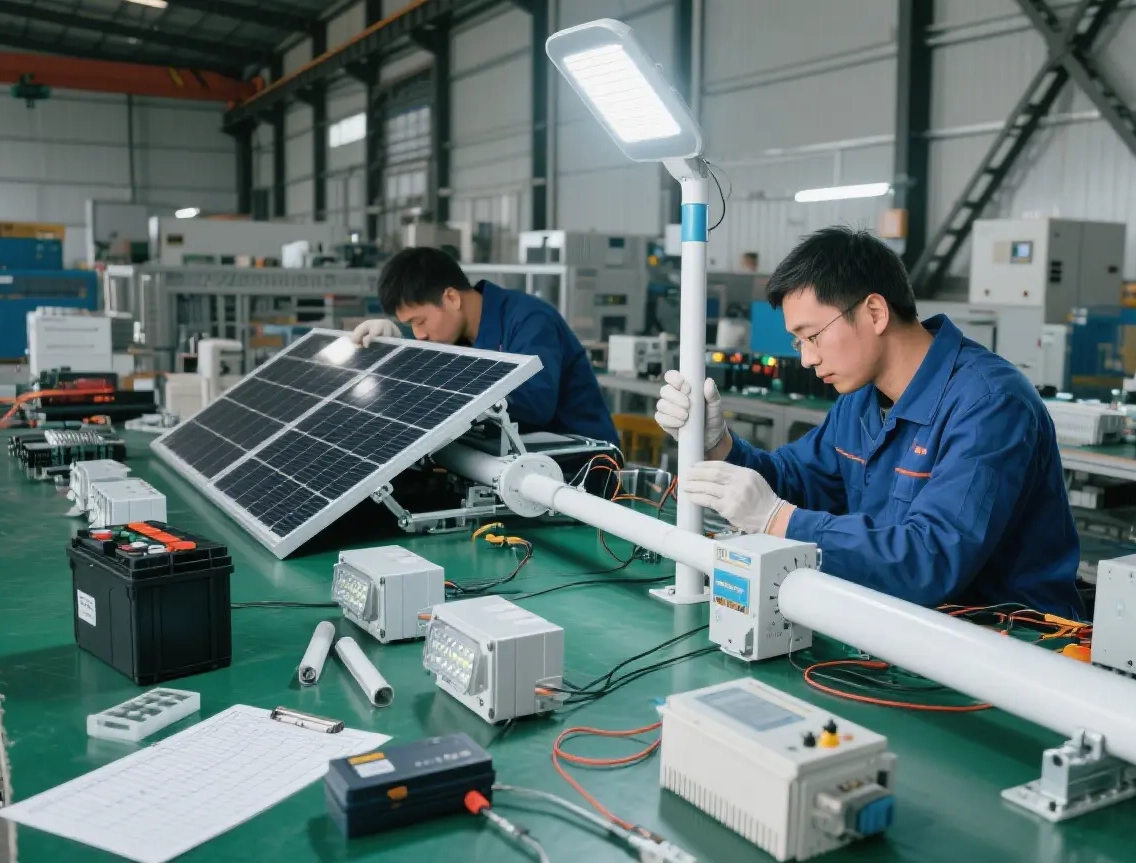
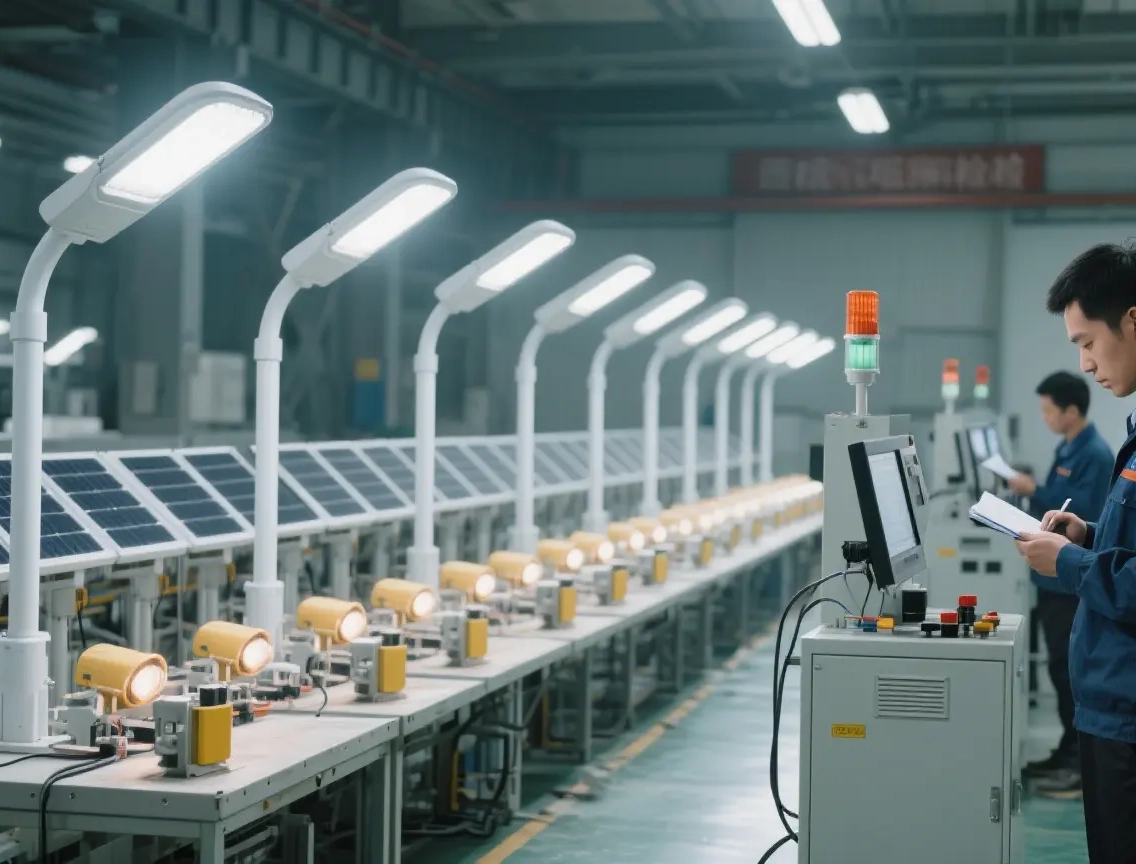
Lukas Lighting runs an automated, high-precision manufacturing floor engineered to produce highly durable warning lights and runway fixtures.
These modern facilities enable us to maintain high production efficiency while ensuring stable and reliable product performance. Every product undergoes strict quality inspection procedures, from raw material selection to final assembly and lighting performance testing.
From raw components to photometric testing: Here is our internal manufacturing process.
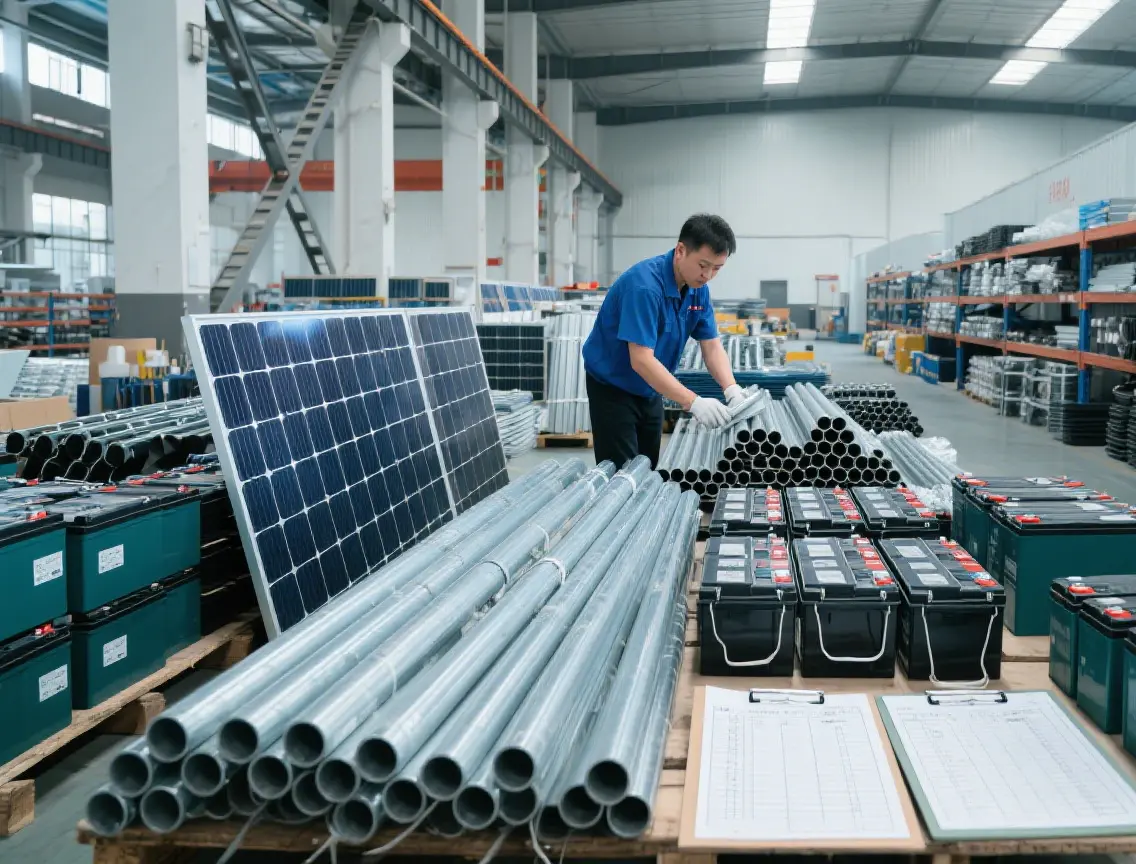
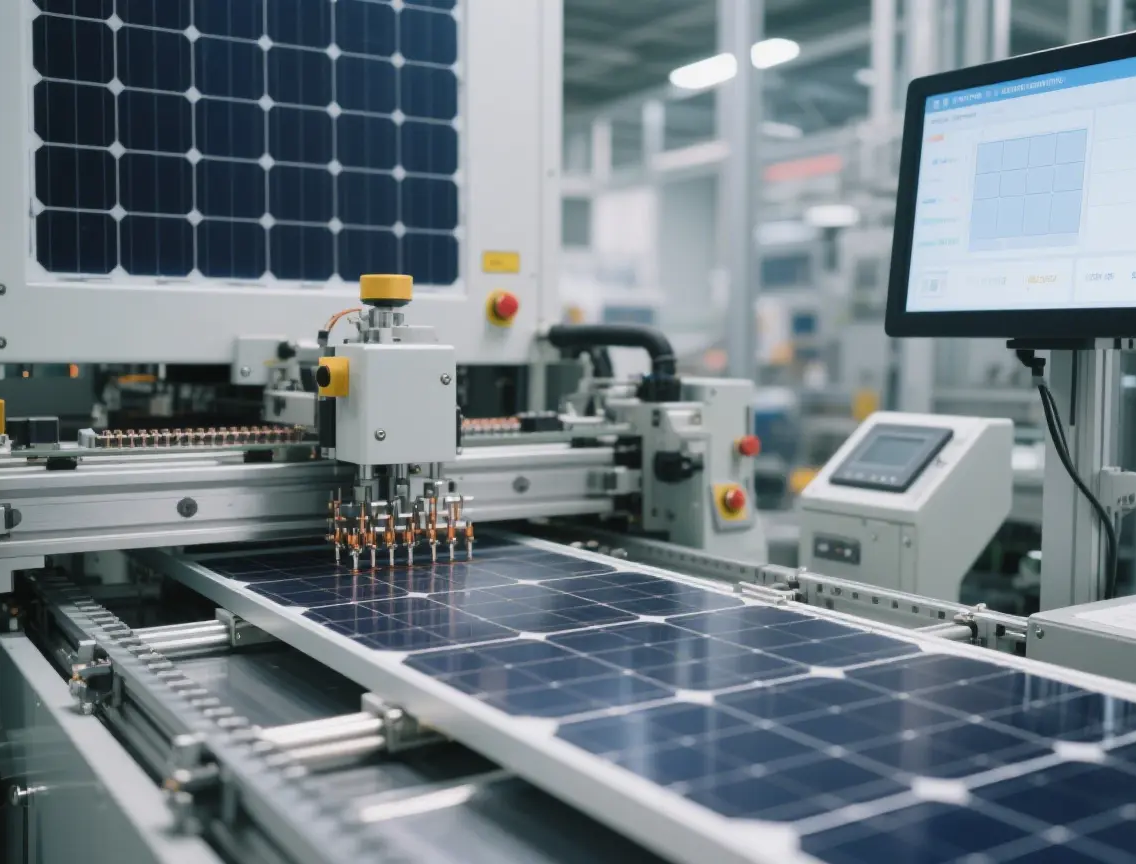
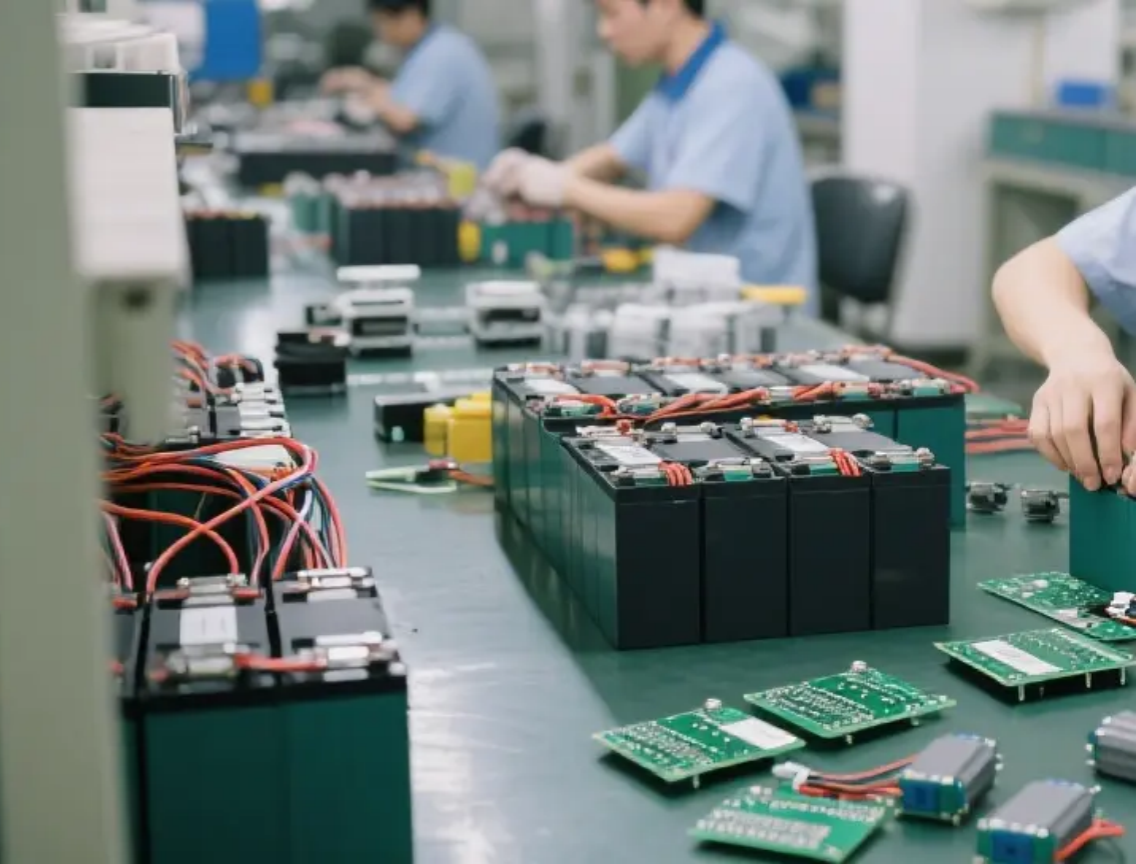
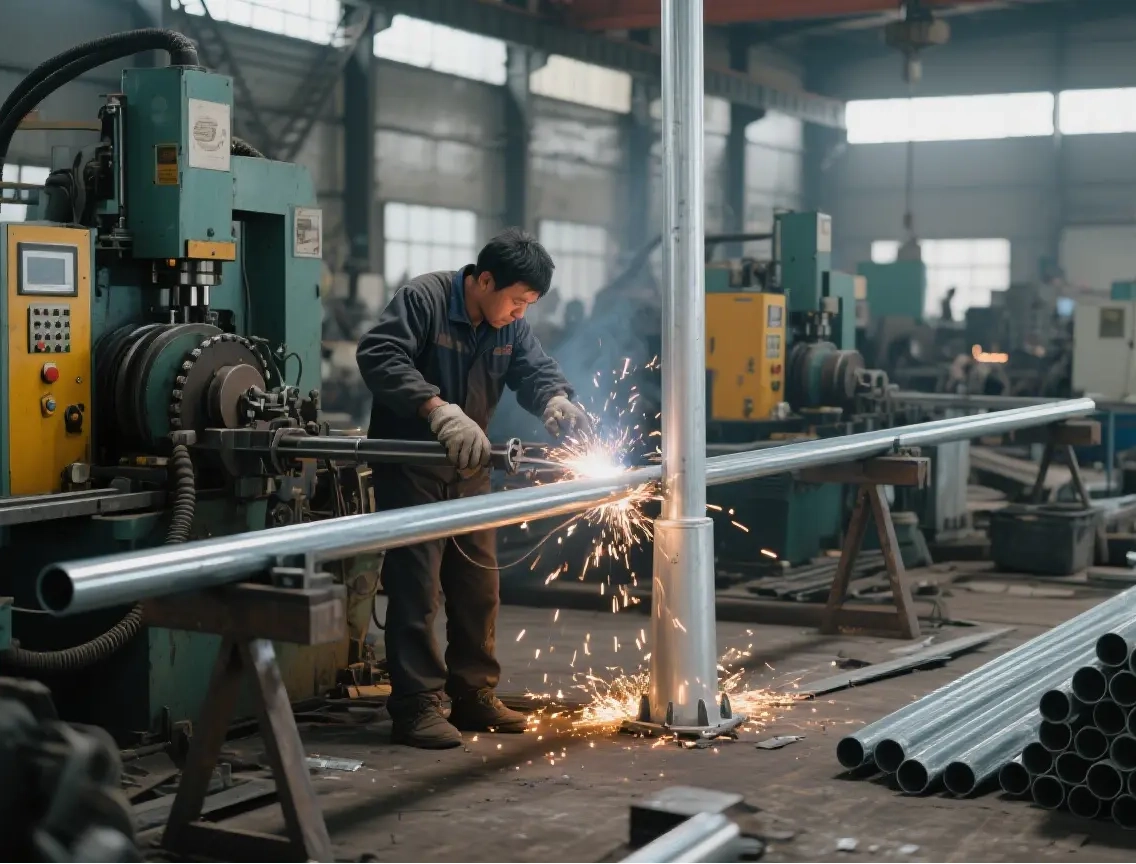
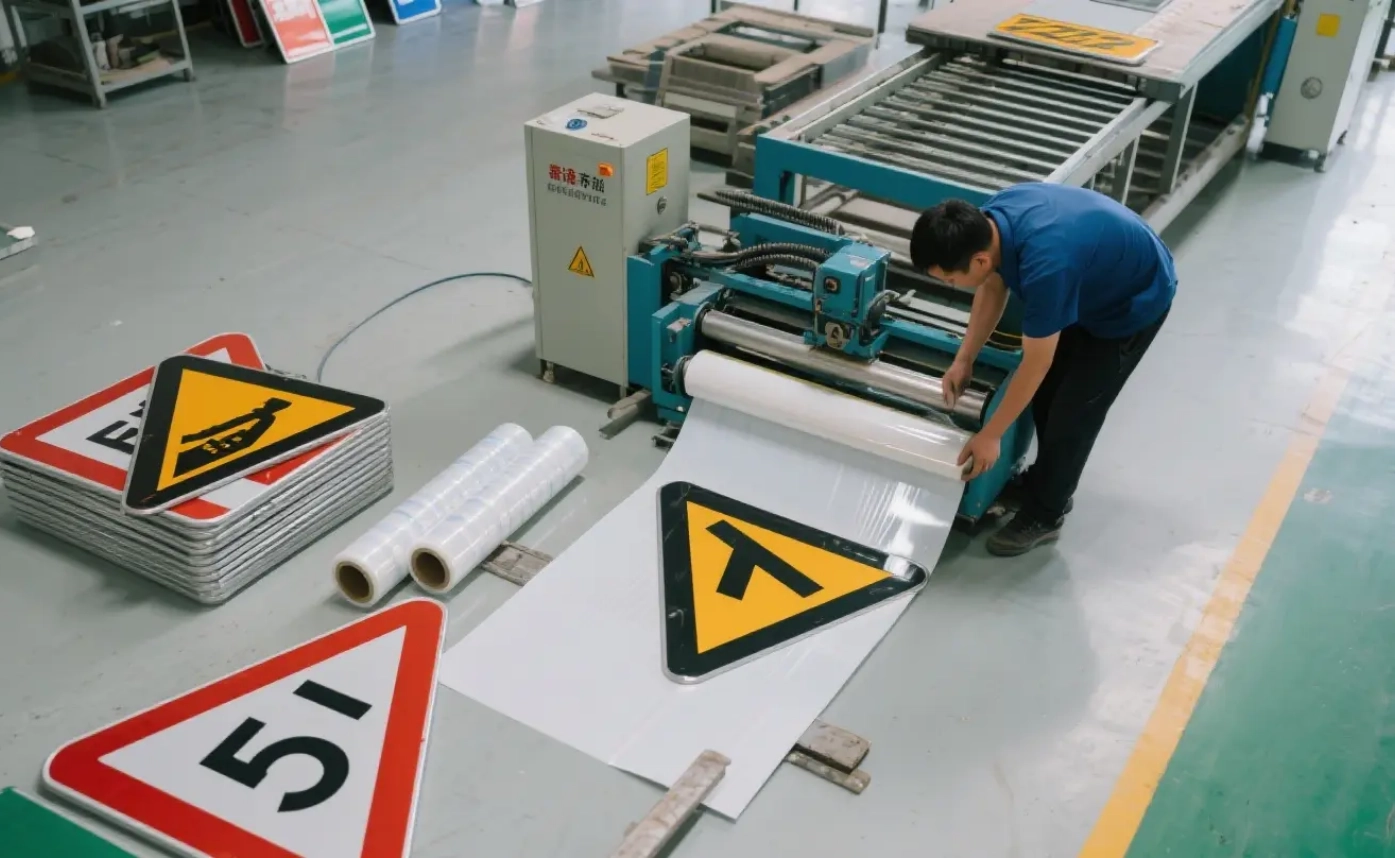
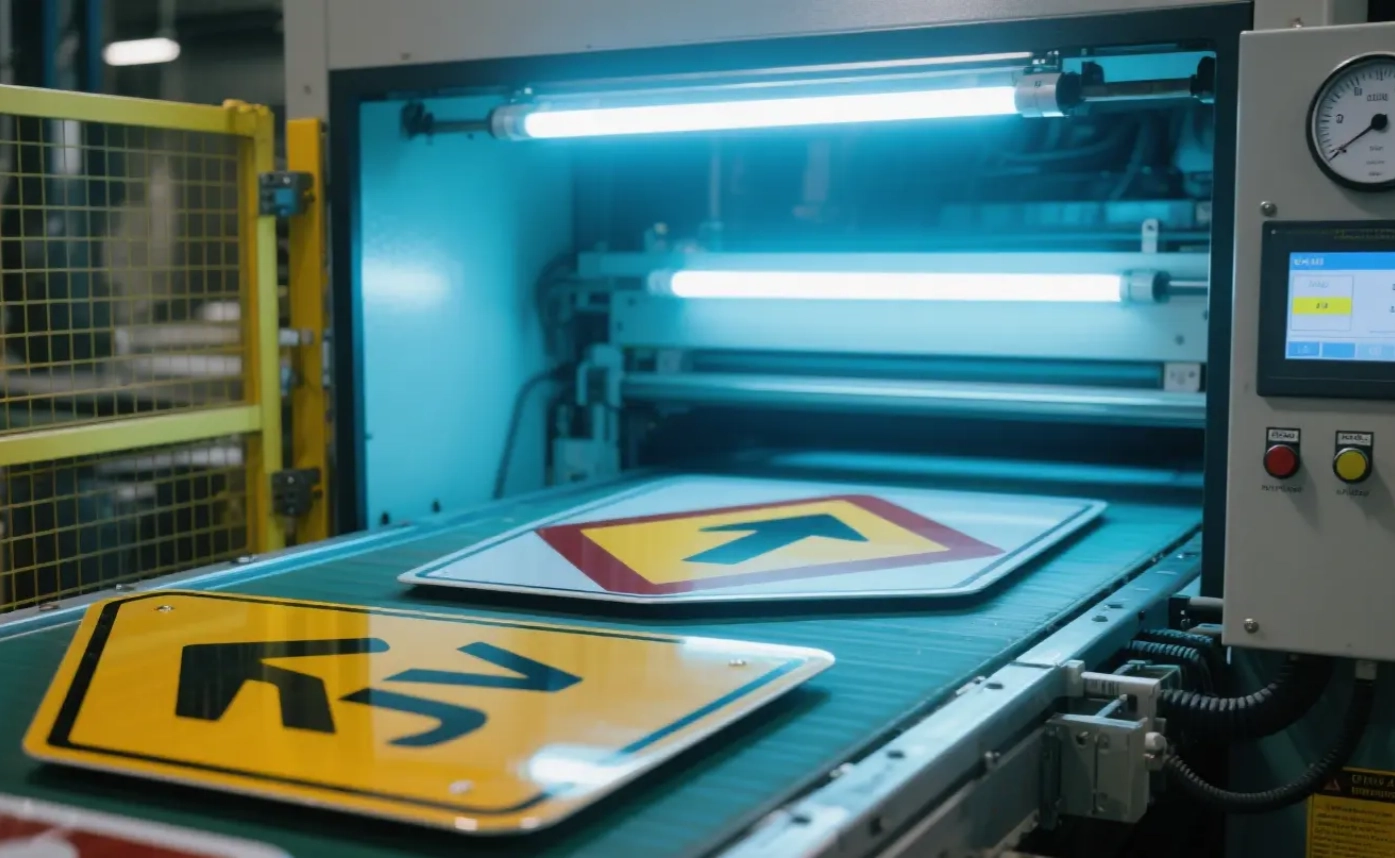
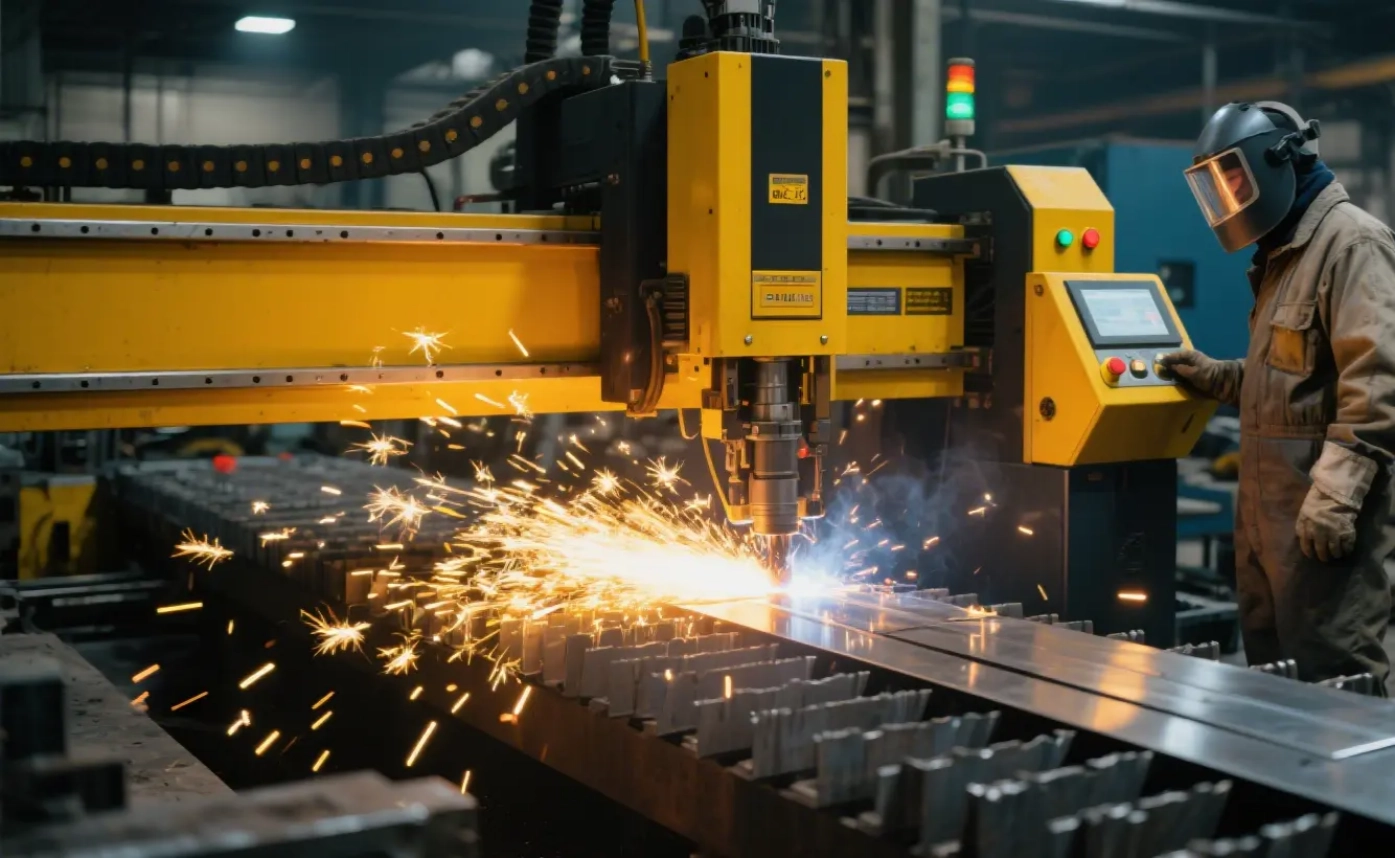
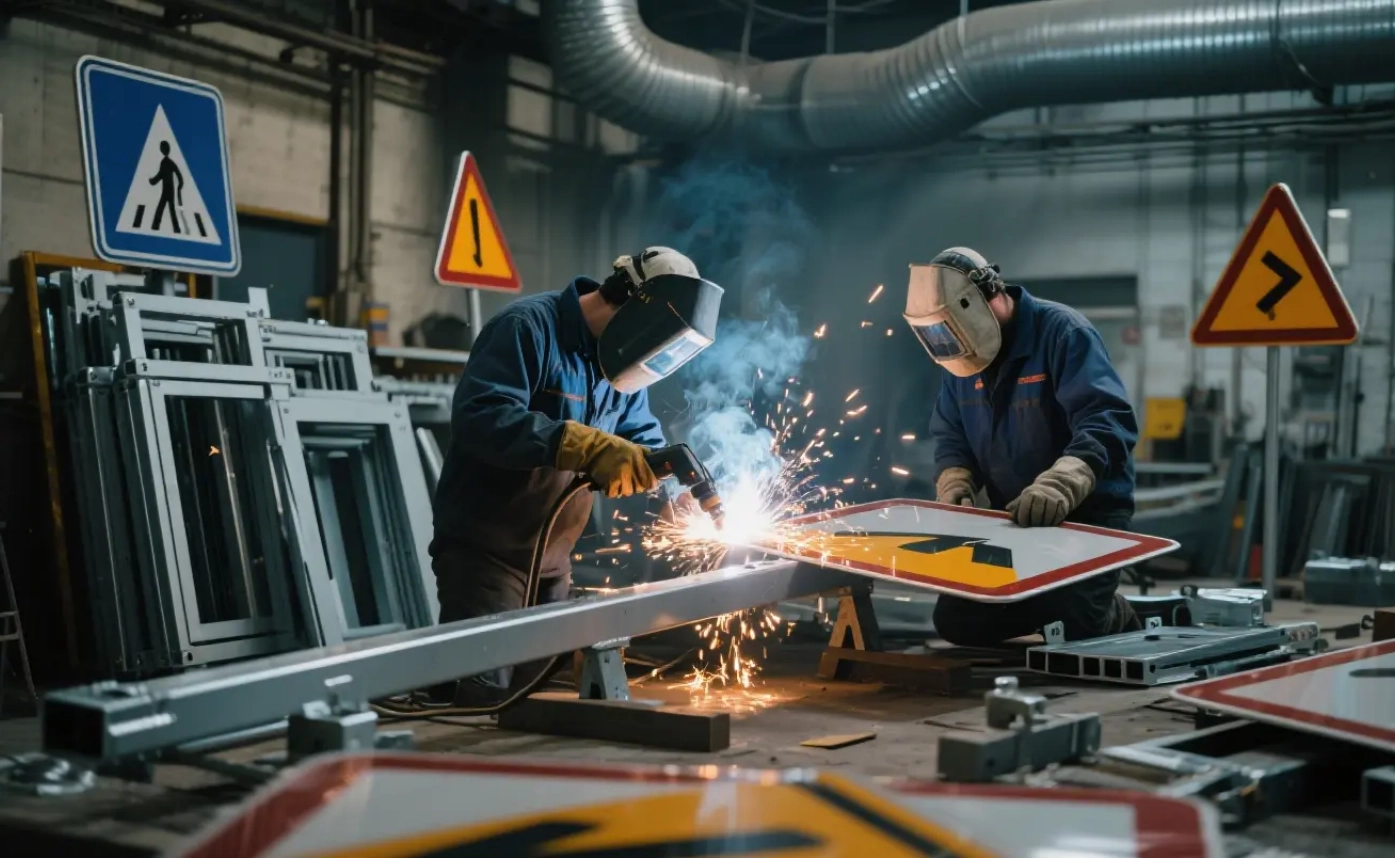
Why premier airfield managers and design-build consultants choose Lukas Lighting as their partner.
With efficient production lines and advanced automation, we are capable of handling both large-volume orders and complex customized projects with precision and speed.
We have established a comprehensive quality control system and have passed ISO9001 international certification. In addition, we have obtained multiple patents in lighting structure design and optical technology.
We provide fully integrated services including product design, mold development, prototype testing, mass production, and logistics support—eliminating intermediate links and ensuring faster delivery and better cost efficiency.
We continuously invest in energy-saving LED technologies and smart lighting control systems to support global carbon reduction goals and smart city development.
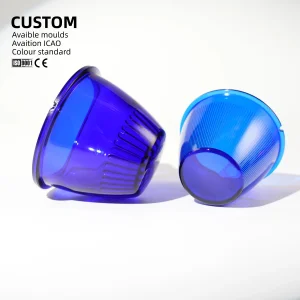
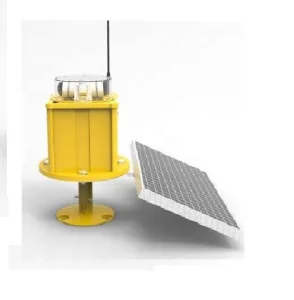
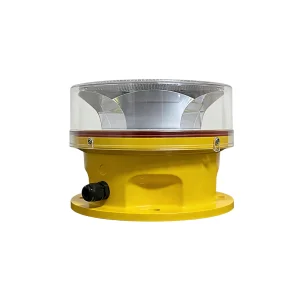
When procuring runway edge lights, heliport inset lights, and obstruction lanterns, technical buyers look beyond simple pricing. They review the underlying semiconductor engineering, optical refraction control, thermal management systems, and ingress protection against harsh chemicals (e.g., glycol-based deicing fluids applied frequently at Seoul airports). Lukas Lighting incorporates precision borosilicate glass domes and custom-molded shockproof gaskets that withstand the tremendous shear forces of runway sweeping equipment. Furthermore, our LED drivers feature advanced surge protection circuitry (up to 20kV) to safeguard the light arrays from atmospheric electric discharges and power fluctuations common in centralized Constant Current Regulator (CCR) loops.
China's specialized manufacturing ecosystem enables Lukas to scale up production of these advanced assemblies rapidly. From automated die-casting of raw structural marine-grade aluminum alloys to surface-mount assembly of high-flux LEDs, our vertical integration reduces manufacturing friction. Consequently, while standard procurement lead times for airfield equipment in Western markets can extend to 6–9 months, our plant delivers fully certified, batch-tested fixtures to regional destinations like South Korea in under 45 days. This rapid turnaround is essential for fast-tracked runway maintenance cycles, military air base upgrades, and municipal heliport additions.
Explore our full line of ICAO/FAA-compliant lighting solutions, constructed for durability and visibility.
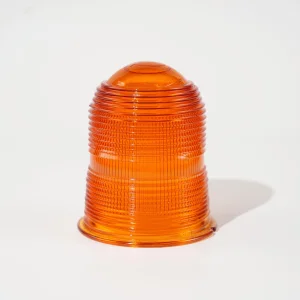
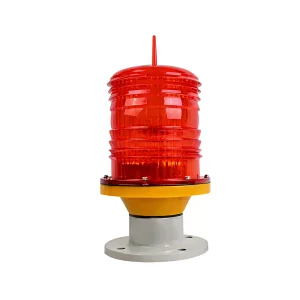
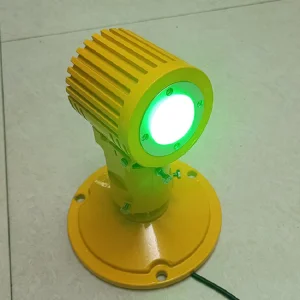
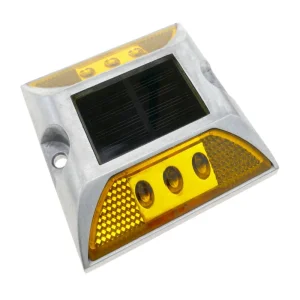
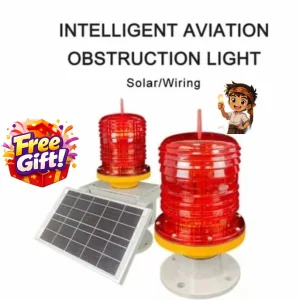
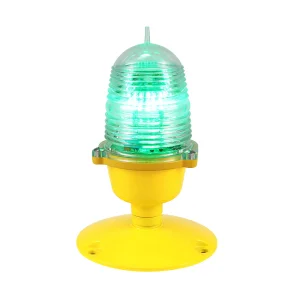
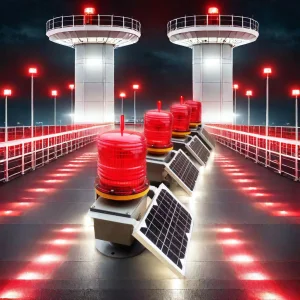
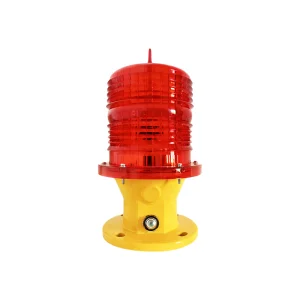
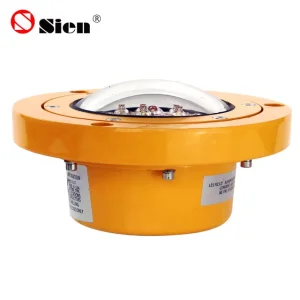
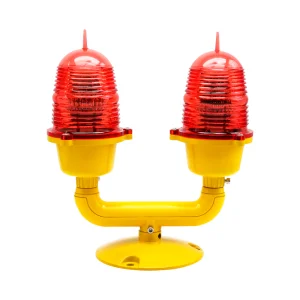
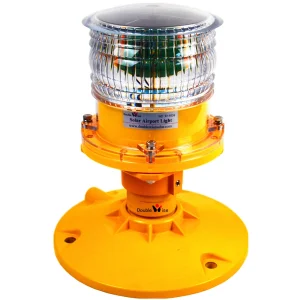
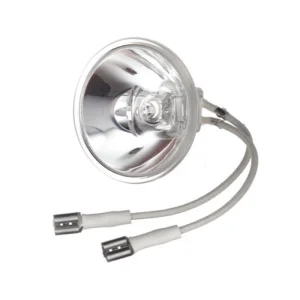
Establishing secure procurement protocols for airfield and obstruction lighting projects involves multiple compliance steps. For airport projects serving Seoul, engineers must coordinate closely with the Korea Office of Civil Aviation (KOCA) to ensure that every imported luminaire meets domestic requirements alongside international standards. Key parameters to monitor include:
Jiangsu Lukas Lighting assists developers throughout the process, providing full design files, certified lab test documentation, and customized brackets or mounting systems to fit existing runway concrete bases. Our engineering support speeds up installation and prevents costly layout delays during live runway refurbishments.
Critical engineering and sourcing answers for project managers in South Korea and global regions.
Get in touch with our technical sales division to request detailed photometric reports, structural drawings, or competitive pricing tables customized for your Seoul regional installation.
Send Inquiry Now Lukas Lighting