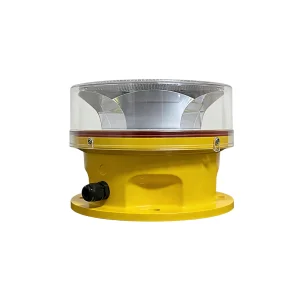
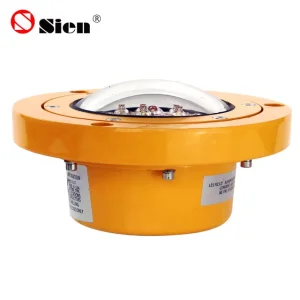
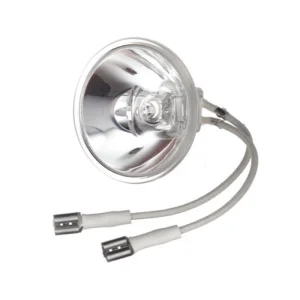
ICAO/EASA-Compliant Airfield Ground Lighting (AGL) Engineered for Arctic Climates, Sub-Zero Reliability, and Avinor Network Standards
Engineered to withstand extreme temperature fluctuations, high humidity, and marine corrosion. Explore our key offerings calibrated for Norwegian civil aviation and helidecks.
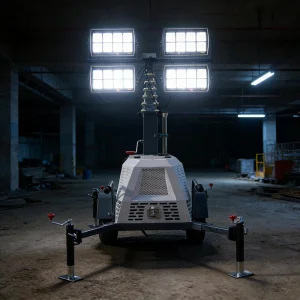
Norway's geography, characterized by deep fjords, towering mountain ranges, and remote Arctic archipelagos, renders air travel an essential pillar of national infrastructure. The state-owned operator, Avinor, manages a network of 43 airports, ranging from major international hubs like Oslo Gardermoen (OSL) to a highly specialized network of regional Short Takeoff and Landing (STOL) runways, known as *kortbanenettet*.
Operating in regions such as Lofoten, Helgeland, and Finnmark requires airfield lighting systems that go far beyond standard operational specs. Lighting fixtures must maintain peak performance during polar nights (Mørketid), under extreme crosswinds, and when exposed to intensive snow clearing operations and chemical de-icing agents (such as potassium formate).
Safety standards in Norway are regulated under EASA (European Union Aviation Safety Agency) guidelines alongside local Civil Aviation Authority (Luftfartstilsynet) mandates. Runway and taxiway lighting must conform rigidly to EASA CS-ADR-DSN and ICAO Annex 14 photometric, chromaticity, and structural parameters.
Our runway edge lights, approach lights, and obstruction beacons are built and certified to meet these European requirements. This guarantees that light beams are projected at the correct angles and intensities required for CAT I, CAT II, and CAT III precision approaches under low-visibility procedures (LVP).
A primary failure point for airfield lighting in Northern Norway is ice build-up on the lenses, which dramatically distorts the photometric output of LED fixtures. Our range of inset and elevated lights features optional smart internal heating elements that activate automatically when temperatures drop below +4°C, preventing frost accumulation.
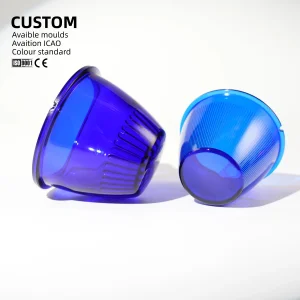
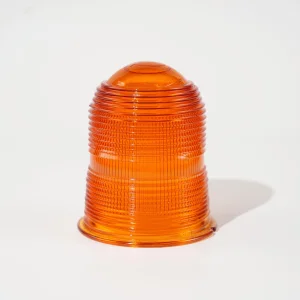
Furthermore, the heavy use of mechanical plow sweeps and chemical melting compounds requires that our glass lamp covers (molded from high-borosilicate glass) and aluminum bases maintain exceptional mechanical resilience, resisting thermal shock and surface pitting.
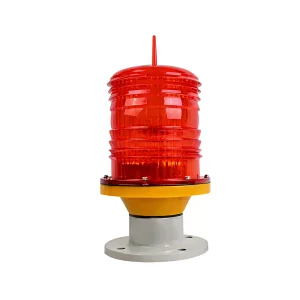
Beyond land-based airports, Norway's offshore energy sector in the North Sea relies heavily on helicopter transit. Compliance with CAP 437 standards is crucial. Our explosion-proof and medium-intensity LED obstruction lights are designed with specialized corrosion-resistant housings (marine-grade anodized aluminum) and IP66/IP68 sealing, specifically matching offshore rig requirements in Stavanger and Bergen sectors.
Airfield lighting systems are undergoing a rapid evolution, moving away from high-maintenance halogen lamps to smart, integrated, and zero-emission architectures.
Modern airports are transitioning to digital taxiway routing systems (known as "Follow the Greens"). This requires individual fixture monitoring and control (ILCMS). Our runway systems are designed to seamlessly integrate with Addressable Control and Monitoring Systems (ACMS), providing real-time diagnostic reporting on light status, insulation resistance, and power degradation back to the airport operations tower.
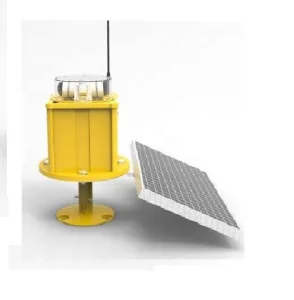
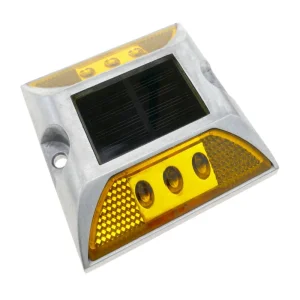
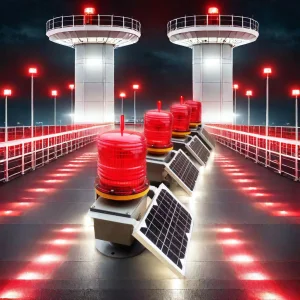
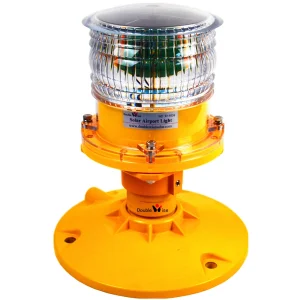
For regional airports where laying sub-surface high-voltage cables is financially prohibitive or disrupted by permafrost (such as Svalbard or remote STOLports), solar-powered airfield lighting systems combined with ruggedized battery storage represent the future. These systems leverage efficient charge controllers to optimize harvesting during summer months and draw from resilient battery backups during low-solar periods, ensuring backup compliance.
Norway aims to make domestic aviation fossil-free by 2040. In line with this, airport infrastructure must lower its carbon footprint. Migrating from 6.6A halogen series circuits to low-wattage, high-lumen LED solutions cuts airport operational energy demand significantly. Additionally, the reduction of maintenance cycles decreases the need for service vehicle operations on the airfield, promoting safer and greener operations.
Precision optical lenses dictate the exact light distribution needed to guide pilots through heavy North Sea fog. Through state-of-the-art goniophotometer testing, we optimize optical design, providing uniform light distribution without scattering or causing glare. Our customized borosilicate and tempered glass structures guarantee structural integrity under extreme runway landing impact forces.
Jiangsu Lukas Lighting Co., Ltd. was established in 1998 with a strong commitment to innovation, quality, and sustainability in the outdoor and industrial lighting industry. Over more than two decades of dedicated development, the company has grown into a leading manufacturer specializing in intelligent and energy-efficient airfield and industrial lighting solutions.
With continuous investment in research and development, Lukas Lighting has expanded its product portfolio to include specialized LED airfield runway lights, solar airport lighting systems, aviation obstruction beacons, and high-precision glass optics. Our products are widely utilized across Europe, Asia, and global markets, helping upgrade infrastructure to modern energy-efficient standards.
Located in Jiangsu, China, our modern production base covers an area of approximately 11,000 square meters. The facility is equipped with advanced manufacturing technologies and operated by a team of experienced engineers and skilled technicians. This ensures strict quality control, precision manufacturing, and efficient large-scale production capabilities to meet the demanding requirements of international airports.
Our factory features highly integrated, advanced production and testing lines to support rigorous quality controls. This enables us to maintain structural and electrical performance in extreme environments like those found in the Norwegian sea coast:
Every batch of airfield lighting fixtures undergoes strict quality inspection procedures, from silicon encapsulation and raw material selection to final assembly, high-temperature burn-in, and simulated extreme weather testing.
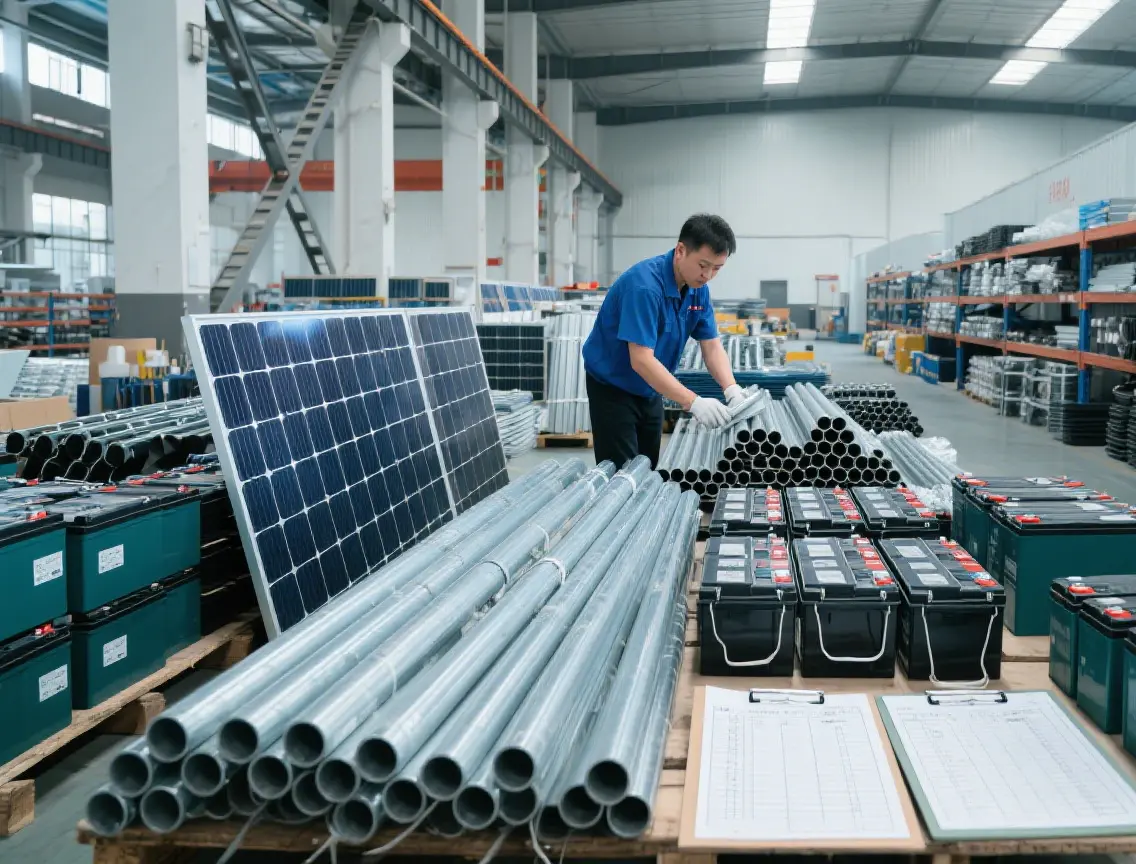
Ensuring reliability from raw materials to final shipment through a fully audited manufacturing pipeline.
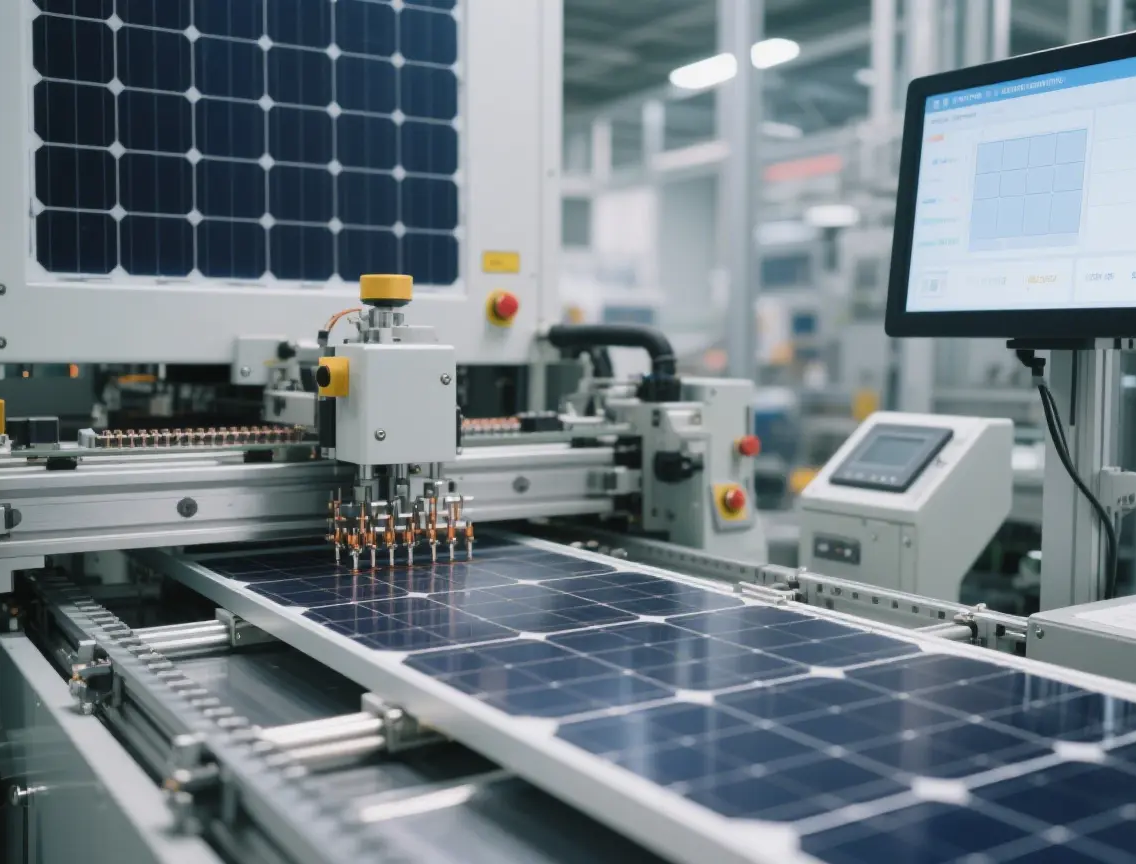
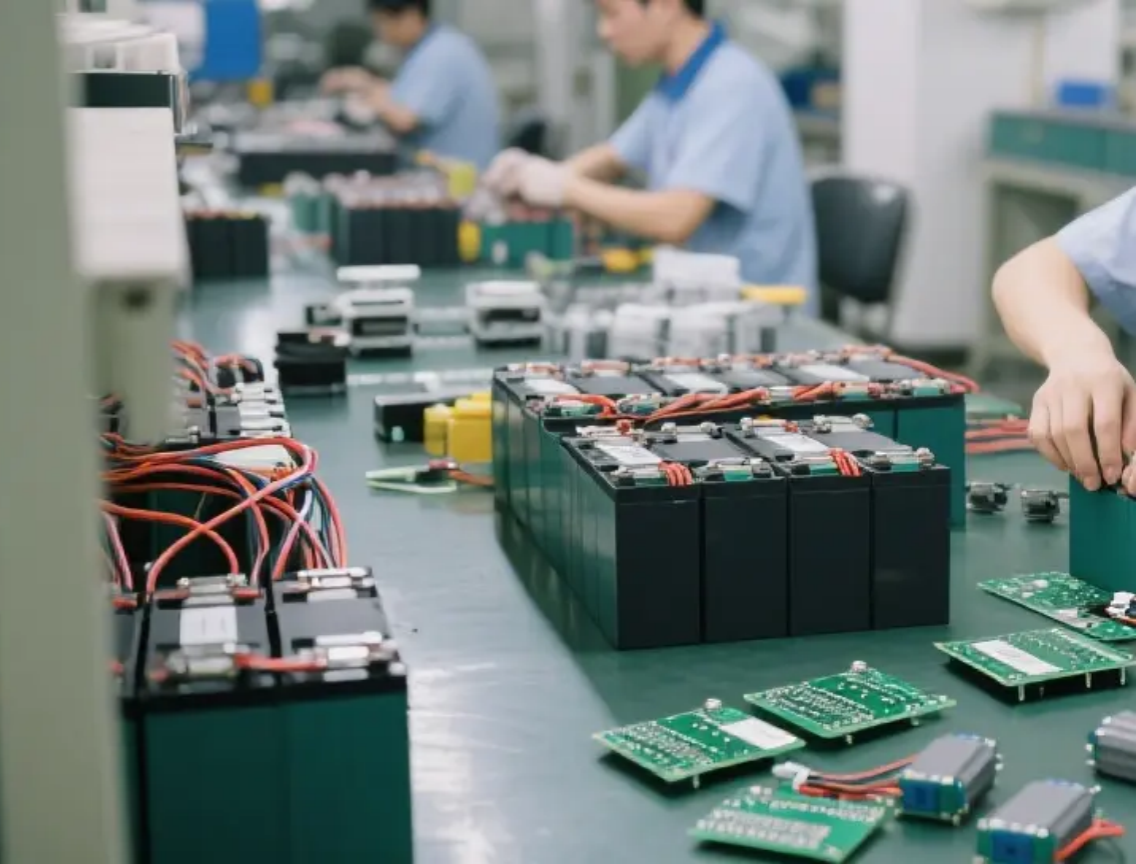




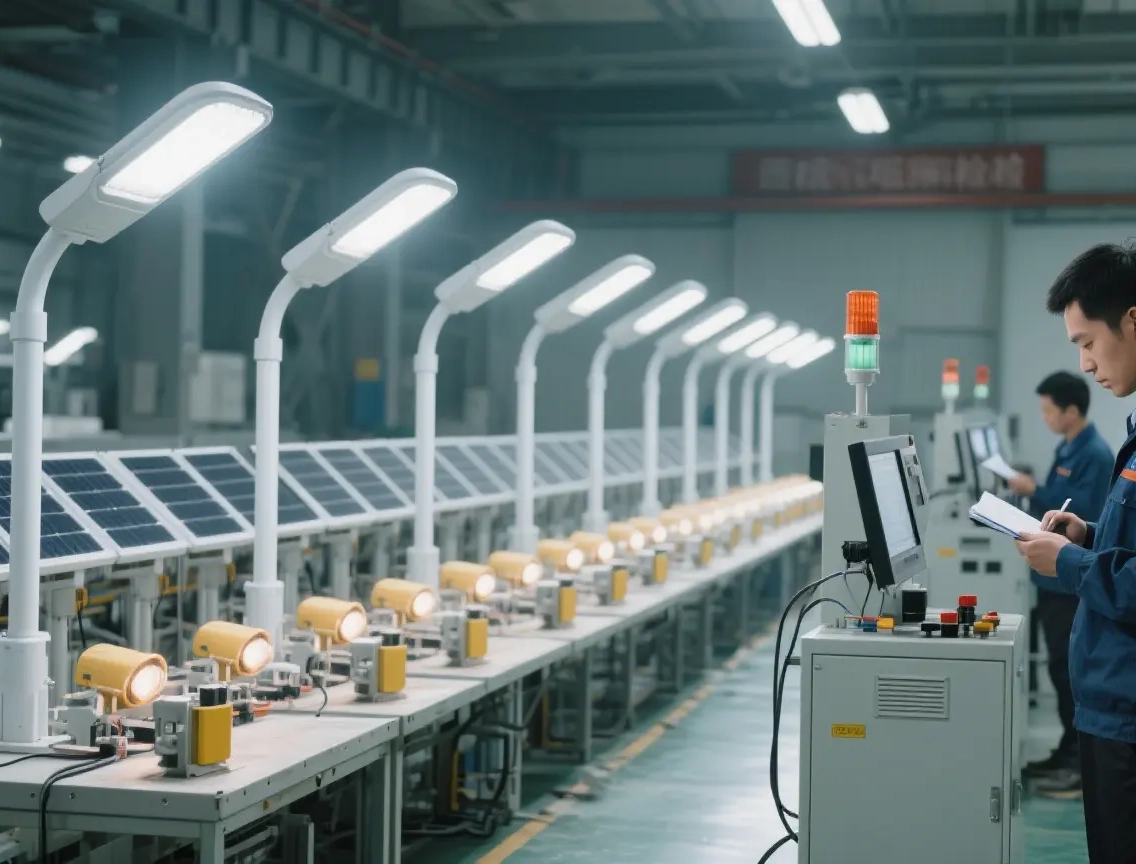
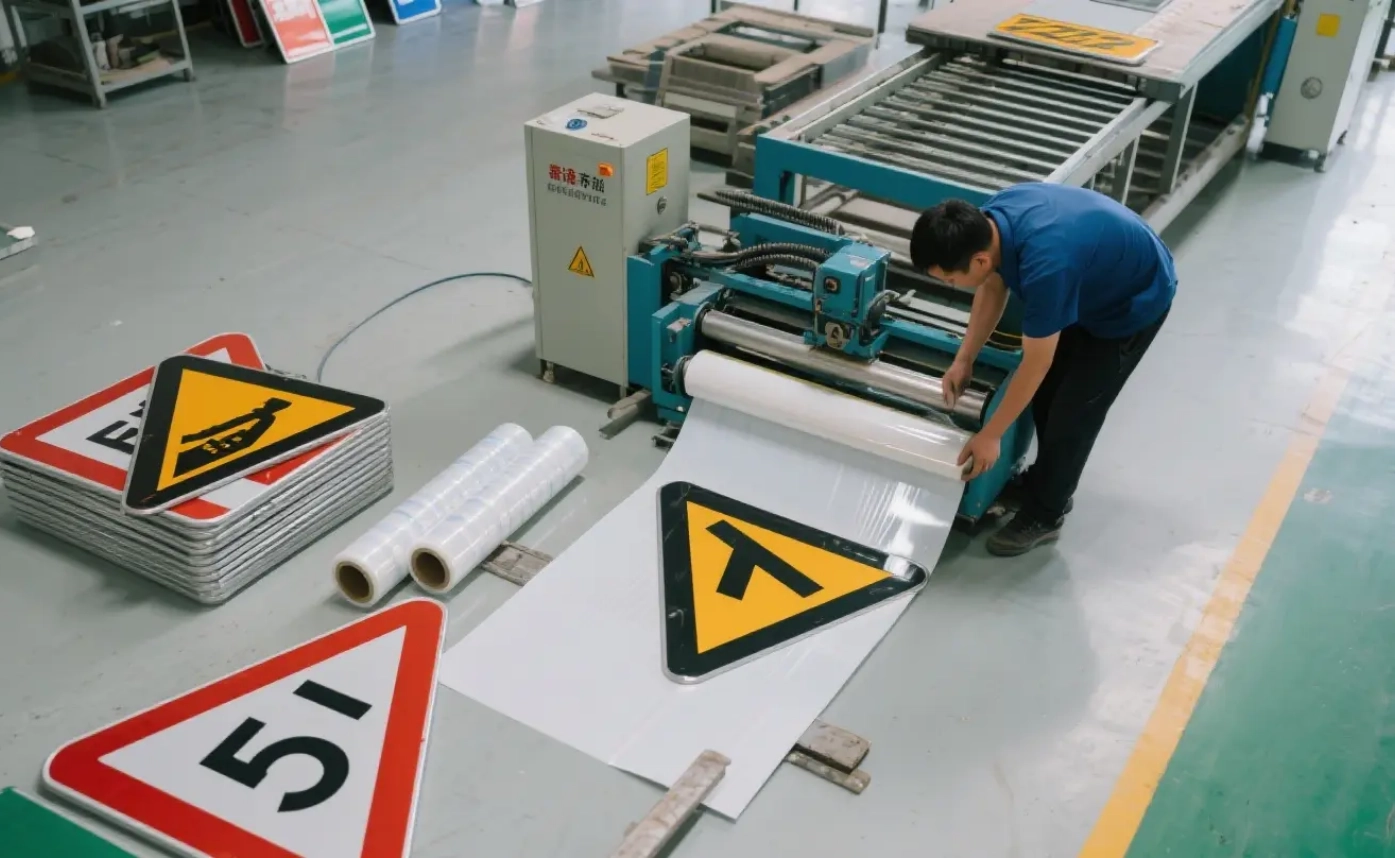
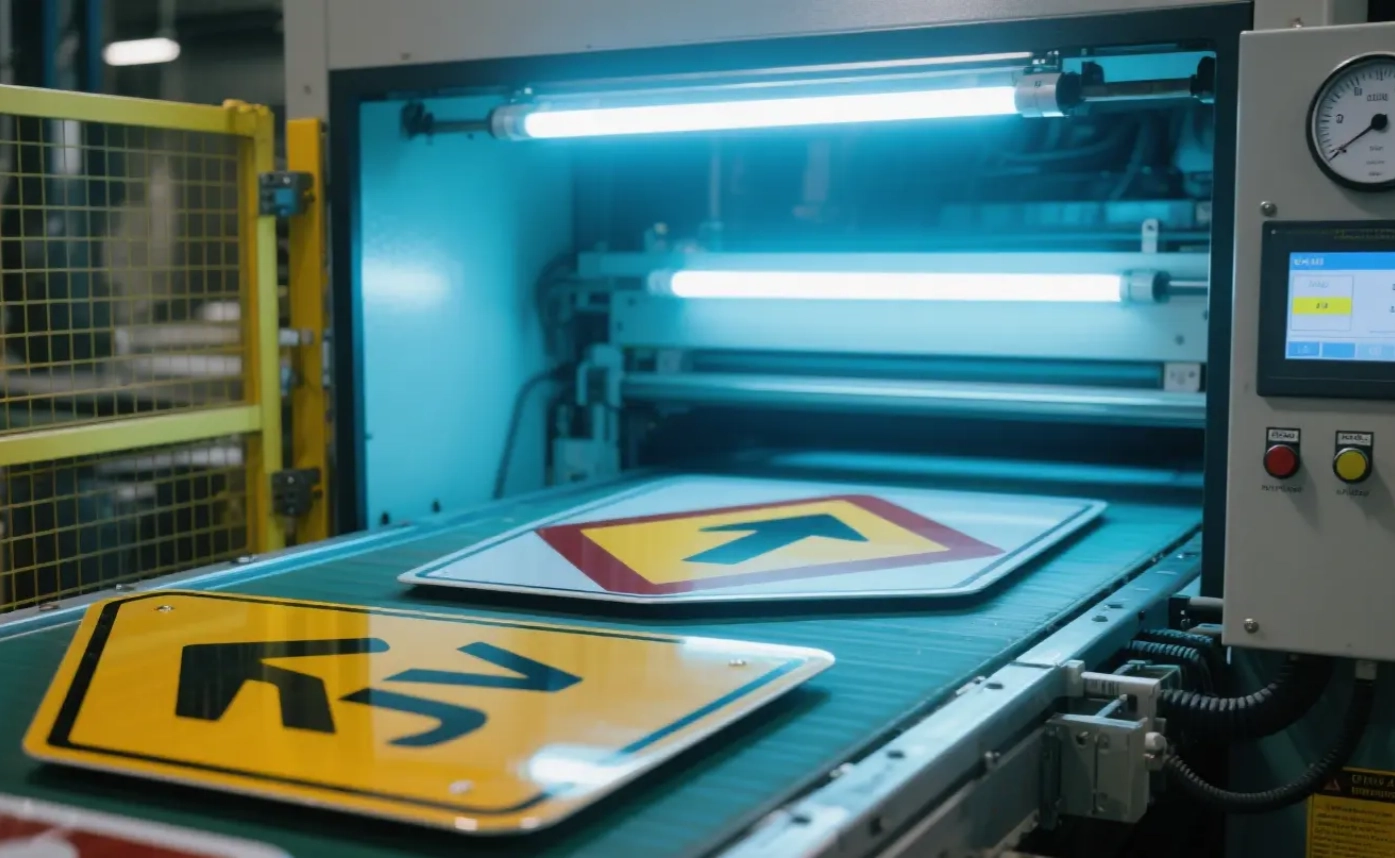


With efficient automated production lines, we handle large volume rollouts and highly complex customized orders with high speed and precision.
Established comprehensive quality control passing ISO9001 certification. We hold multiple patents in optical dispersion and lighting structure design.
Providing design, mold development, optical simulation, prototype testing, mass production, and direct shipping logistics—eliminating middleman markups.
Continuous investment in high-efficiency LED drivers and intelligent control modules to support airport carbon reduction roadmaps globally.
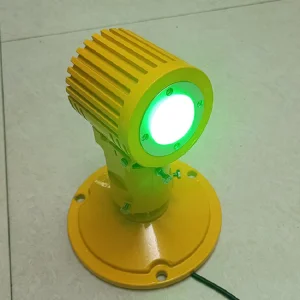
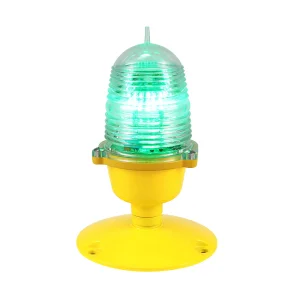
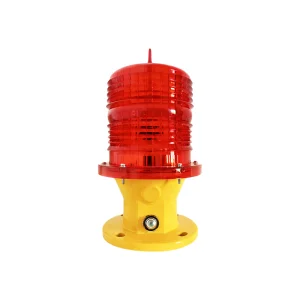
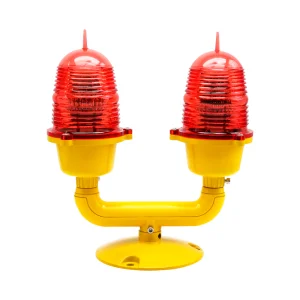
Browse our full range of certified solutions suited for Norway's harsh marine environment, wind farms, high-rise tower structures, and airport runways.

Ensuring reliable lead times and comprehensive quality documentation for logistics routes to Norway.
Operating out of Jiangsu's lighting technology cluster, Lukas Lighting relies on a fully integrated raw materials ecosystem. This layout reduces lead times on custom molds, cast aluminum housings, and specialized optical lenses. Proximity to major ports like Shanghai and Ningbo allows us to offer versatile delivery terms (FOB, CIF, DDP) to Norway, reaching maritime hubs such as Oslo, Bergen, and Stavanger with optimized transit schedules.
Our facility maintains strict manufacturing standards, enabling quick scaling for urgent infrastructure projects. For Norwegian regional airports carrying out fast upgrades during the short summer maintenance windows, our agile supply chain guarantees delivery of high-volume orders exactly on schedule.
Lukas Lighting supports every shipment with full quality documentation, which is essential for seamless Norwegian customs clearance and Avinor safety approval audits:
Common technical queries regarding runway and airfield lighting systems destined for the Norwegian market.
 Lukas Lighting