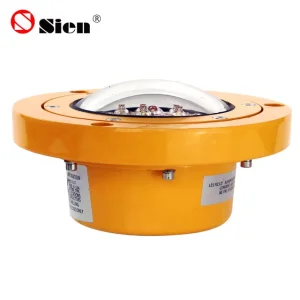
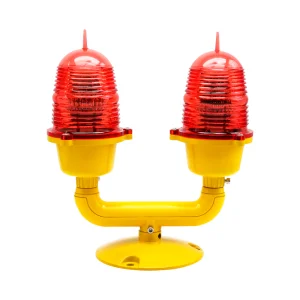
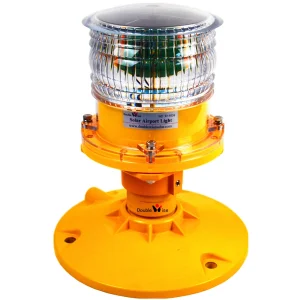
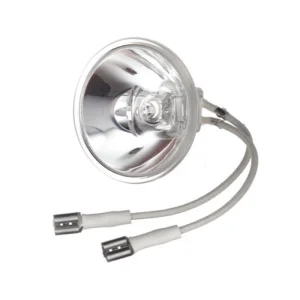
Explore our elite selection of high-intensity airfield and warning illumination components optimized for Switzerland's demanding airport layouts and high-altitude heliports.
The aviation landscape of Switzerland is defined by structural complexity, heavy air traffic, and extreme alpine weather. From the major intercontinental hubs of Zurich Airport (ZRH) and Geneva Airport (GVA) to critical regional nodes like Lugano (LUG), St. Gallen-Altenrhein (ACH), and high-altitude emergency helipads, the requirements for Airfield Ground Lighting (AGL) are extraordinarily stringent. Swiss civil aviation operates under the regulatory oversight of the Federal Office of Civil Aviation (BAZL), aligning strictly with EASA (European Union Aviation Safety Agency) and ICAO Annex 14 rules.
Information Gain Insight: Unlike flat lowland fields, alpine and pre-alpine airports face rapid atmospheric shifts, low cloud cover, and heavy snow accumulation. Traditional halogen systems lack the luminous intensity and adaptive capability required. The modern Swiss standard mandates LED lighting arrays with integrated heating elements to mitigate ice formation, coupled with ruggedized, explosion-proof optical lenses capable of surviving direct mechanical stress from dynamic runway clearing procedures.
For global manufacturers and exporters, capturing the Swiss market requires more than standard certifications. It requires localized engineering, custom glass optical configurations, and a robust supply chain that guarantees long-term durability. Our manufacturing protocols address these needs directly, integrating high-strength tempered borosilicate glass designs with advanced, constant-current LED drivers certified for low-temperature operating environments down to -40°C.
Why leading global airports and high-altitude infrastructure projects select our high-performance AGL technologies.
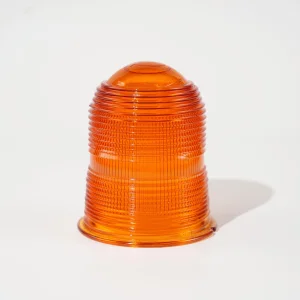
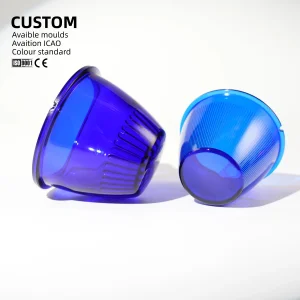
Our molded covers feature heavy-duty, high-borosilicate tempered glass. Resistant to high-velocity impacts, thermal cracking, and chemical erosion from jet fuel and glycol de-icers.
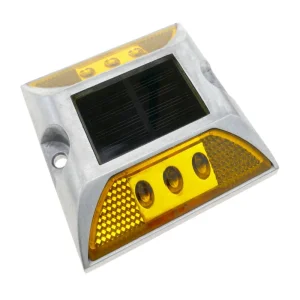
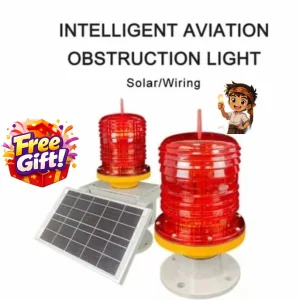
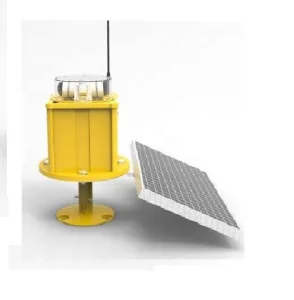
Self-contained airfield lights featuring high-efficiency monocrystalline solar panels paired with durable LiFePO4 batteries, designed for alpine helipads without power lines.
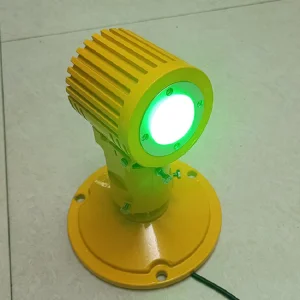
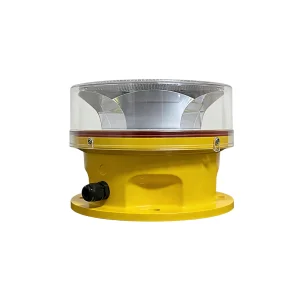
Equipped with smart interfaces supporting Individual Light Source Control and Monitoring Systems (ILCMS) to integrate into modern airport control tower software.
The aviation lighting sector is experiencing a significant shift towards digitalization and decarbonization. The transition from legacy tungsten-halogen light sources to high-efficiency LED arrays is now standard practice across the globe. Modern AGL systems consume up to 80% less energy, reducing operating costs and lowering greenhouse gas emissions for airports.
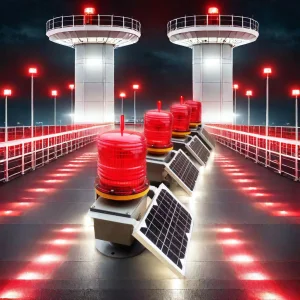
Looking ahead, the next paradigm shift revolves around autonomous sensing and smart grid adaptation. Future runways will utilize dynamic guidance systems that adjust intensity and light configuration in real-time based on live runway surface status, fog density, and aircraft position. Furthermore, the integration of durable solar-charged systems is no longer limited to regional airfields; major hubs are installing solar backup networks for critical perimeter, taxiway, and runway threshold zones to build resilience against localized power grid failures.
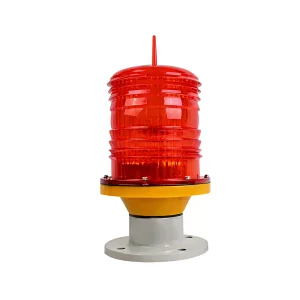
The adoption of advanced materials is critical to this roadmap. Optics must transition to anti-reflective, self-cleaning glass structures to reduce labor-intensive manual inspections. Our engineering department is actively developing integrated IoT nodes within obstruction lights to report performance metrics directly to cloud-based monitoring suites. This helps airport maintenance teams transition from reactive fixes to predictive, cost-saving maintenance cycles.
Jiangsu Lukas Lighting Co., Ltd. was established in 1998 with a strong commitment to innovation, quality, and sustainability in the outdoor lighting industry. Over more than two decades of development, the company has grown into a professional manufacturer specializing in intelligent and energy-efficient street lighting solutions.
With continuous investment in research and development, Lukas Lighting has expanded its product portfolio to include LED street lights, solar street lights, smart lighting systems, landscape lighting, and customized municipal lighting solutions. Our products are widely used in urban roads, highways, industrial parks, residential communities, and public infrastructure projects across global markets.
Located in Jiangsu, China, our modern production base covers an area of approximately 11,000 square meters. The facility is equipped with advanced manufacturing technologies and operated by a team of experienced engineers and skilled technicians. This ensures strict quality control, precision manufacturing, and efficient large-scale production capabilities.
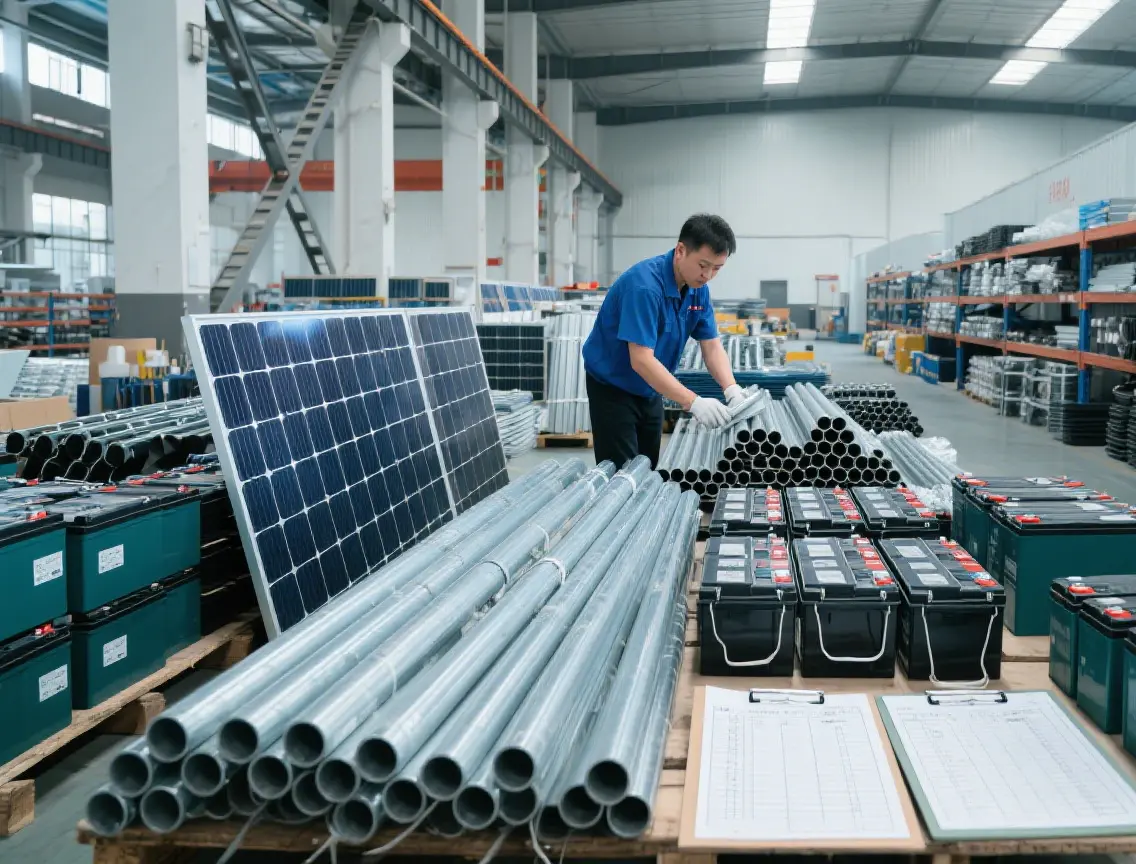
Our factory is equipped with a complete set of advanced production and testing systems, enabling us to deliver certified performance for demanding European infrastructure projects.
These modern facilities enable us to maintain high production efficiency while ensuring stable and reliable product performance. Every product undergoes strict quality inspection procedures, from raw material selection to final assembly and lighting performance testing.
Why global airfield and civil engineering contractors partner with Lukas Lighting.
With efficient production lines and advanced automation, we are capable of handling both large-volume orders and complex customized projects with precision and speed.
We have established a comprehensive quality control system and have passed ISO9001 international certification. In addition, we have obtained multiple patents in lighting structure design and optical technology.
We provide fully integrated services including product design, mold development, prototype testing, mass production, and logistics support—eliminating intermediate links and ensuring faster delivery.
We continuously invest in energy-saving LED technologies and smart lighting control systems to support global carbon reduction goals and smart city development.
Transparent production workflow showcasing our step-by-step assembly line and rigorous quality control checks.

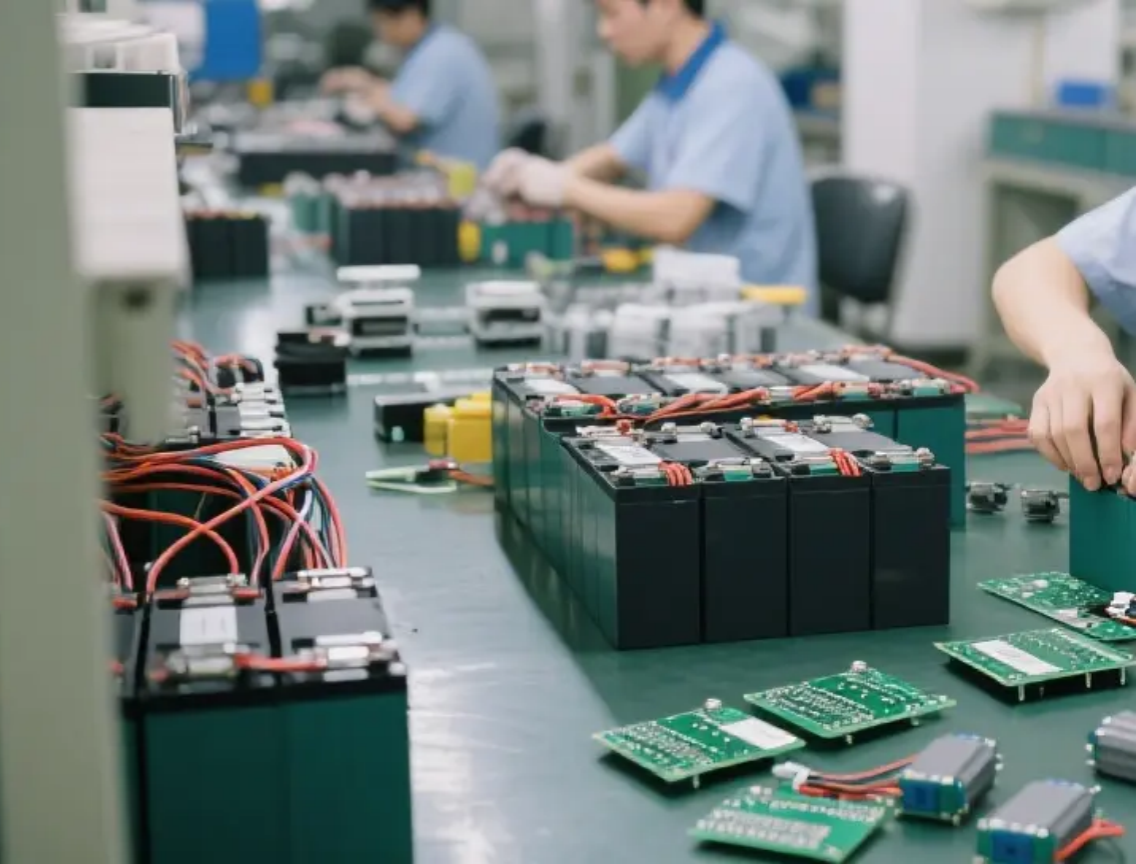



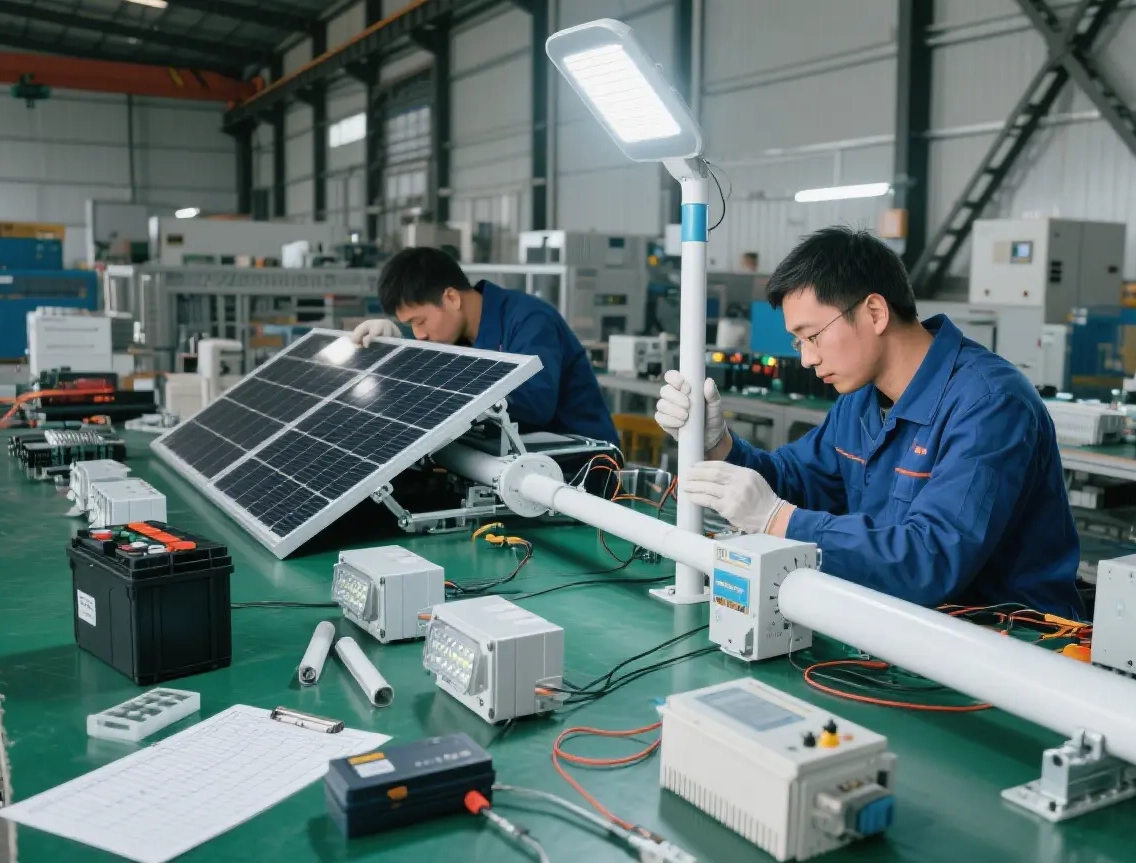
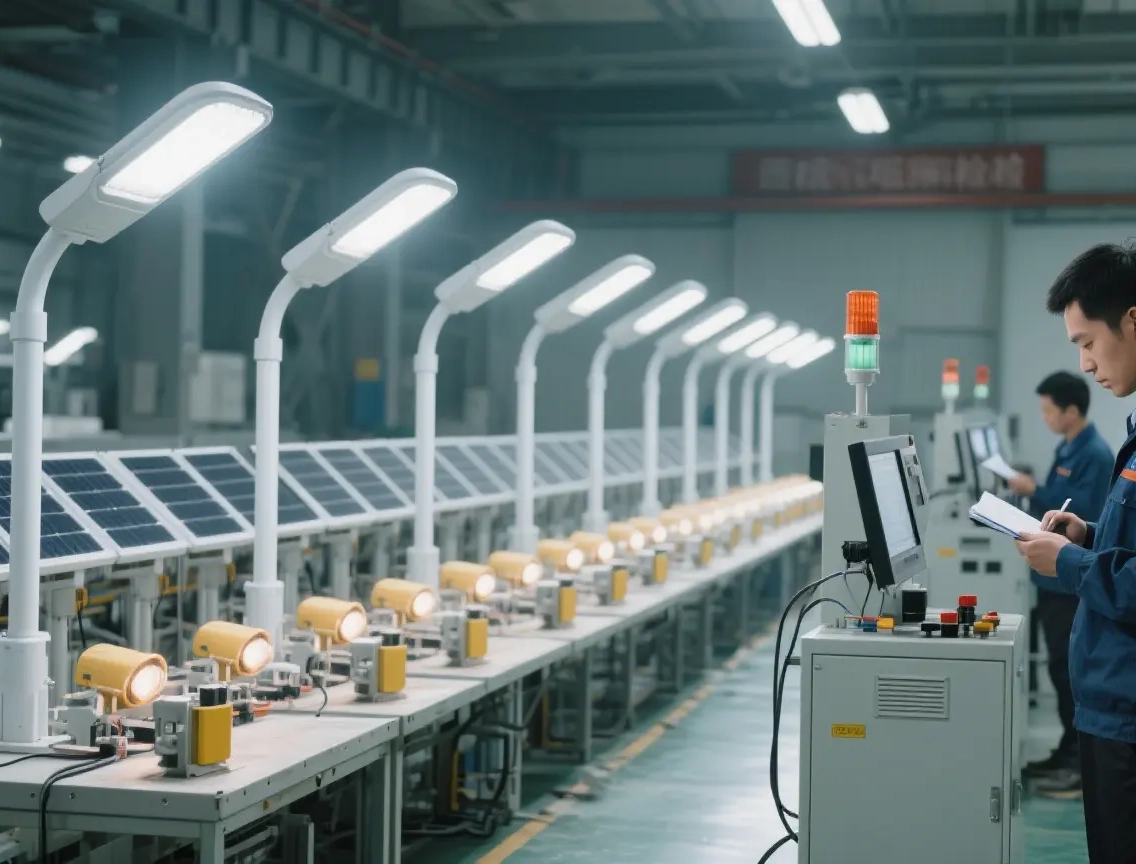
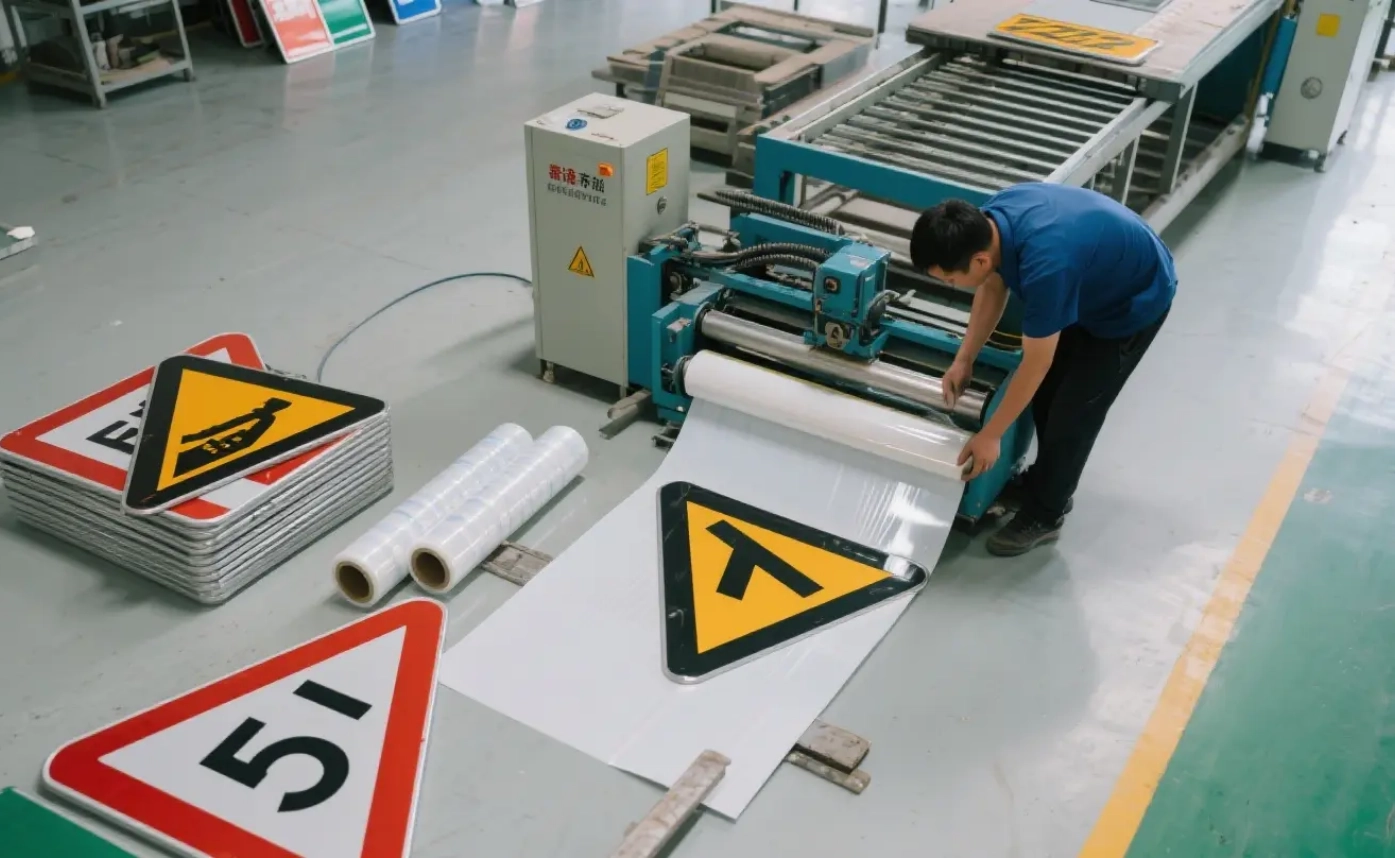
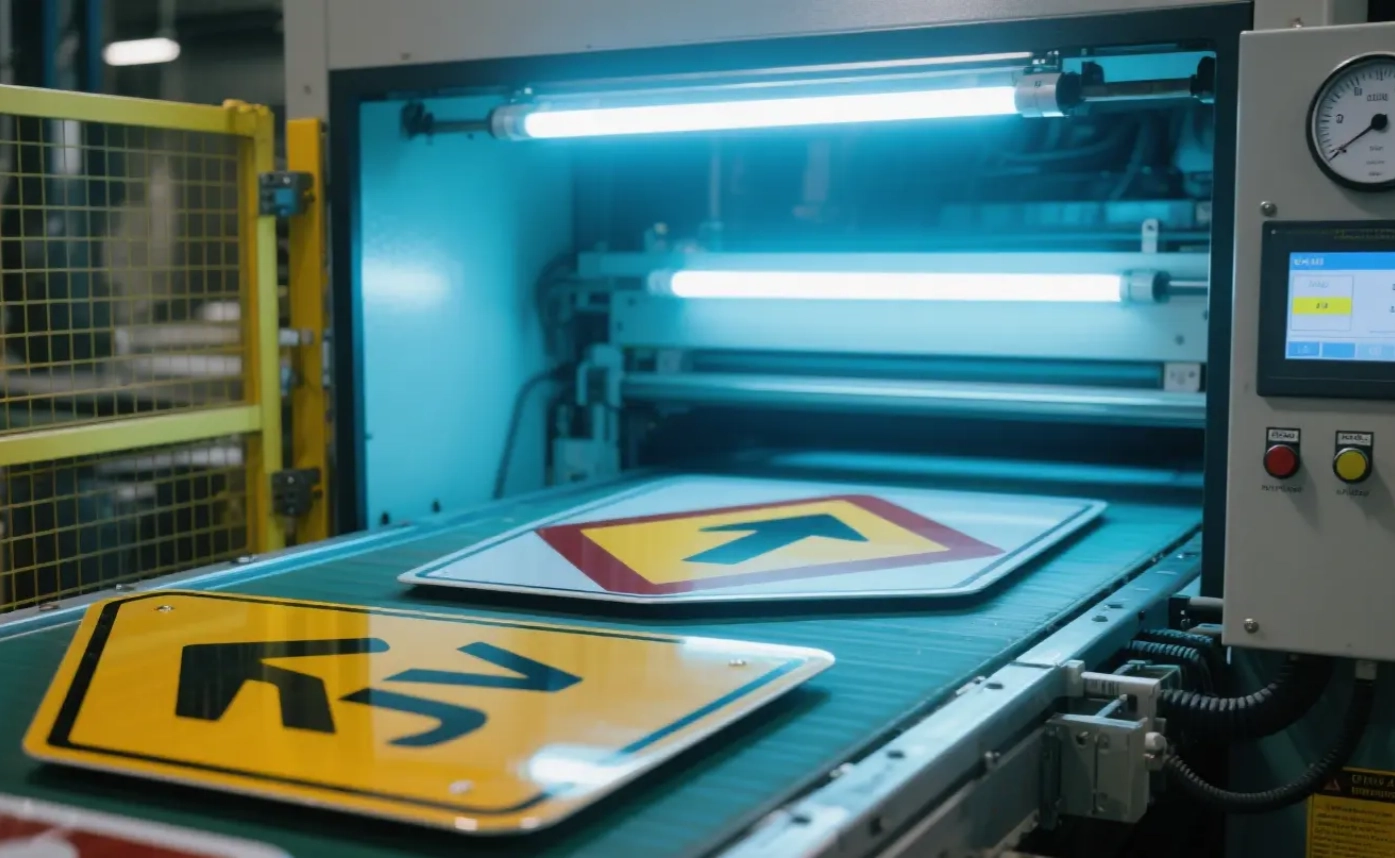


Essential questions and answers for airfield engineers and procurement managers operating in the Swiss region.
Explore our full line of airfield ground lighting (AGL), aviation beacons, and safety warning devices designed for reliable Swiss operations.
 Lukas Lighting