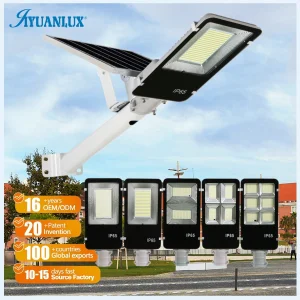
 Manufacturer Price 60W/100W/120W/240W/360W/500W Aluminum Waterproof IP67 Solar LED Street Lights
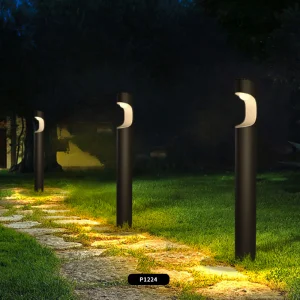 Bollard Lights Outdoor Warm White LED Landscape Lights Waterproof Decorative Lighting
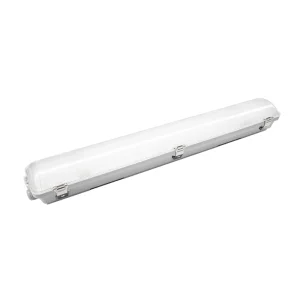 IP65 Led Tri-proof Tube Light Linear Batten Tri Proof Led Explosion Proof Lighting
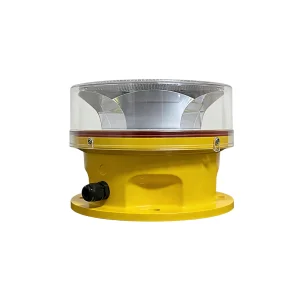 LED Medium-intensity Type A & B Aviation Obstruction Lights With PC Material IP65
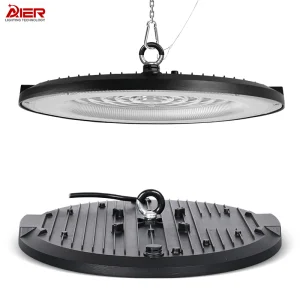 Industrial UFO High Bay Light 100W-200W IP65 Waterproof DOB LED For Warehouse
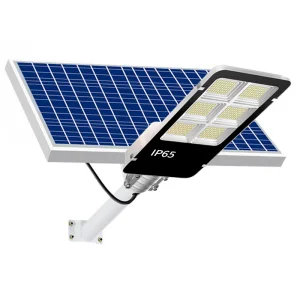 Outdoor Split Aluminum Solar Street Light High Powered LED Solar Garden Lights
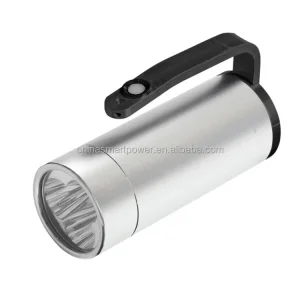 Magnetic Portable Explosion Proof Light Hand Lamp
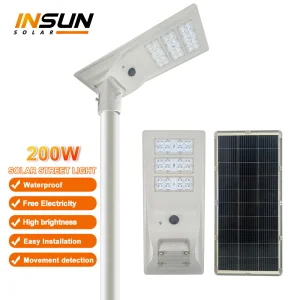 Smart PIR Motion Sensor 200W All in One Solar Street Light High Lumen 5050 Chips
In the era of Smart City development, the transition from legacy fixed-timer systems to Programmable Traffic Signals represents a fundamental shift in urban mobility. These systems are no longer just lights; they are high-performance data nodes integrated with Artificial Intelligence and the Internet of Things (IoT). As a leading global supplier, we understand that modern municipalities require more than just hardware—they demand Adaptive Traffic Control Systems (ATCS) that reduce congestion, lower emissions, and enhance public safety.
This comprehensive guide explores the technical roadmap of the traffic signal industry, highlighting how "Information Gain" through sensor fusion and V2X (Vehicle-to-Everything) communication is redefining the competitive landscape for suppliers and factories.
Integration with C-V2X protocols allows signals to communicate directly with autonomous vehicles, providing real-time signal phase and timing (SPaT) data to optimize traffic flow and safety.
Modern signal controllers now incorporate GPU-accelerated edge computing to process 4K video feeds and LiDAR data locally, enabling millisecond-level response to emergency vehicles.
The roadmap includes 100% off-grid solar-powered programmable signals with long-cycle LiFePO4 battery storage, essential for remote infrastructure and carbon-neutral city goals.
Our facility in Jiangsu, China, exemplifies the "Factory 4.0" philosophy. By integrating advanced automation with data-driven management, we provide a significant competitive advantage in terms of Supply Chain Resilience and Cost Efficiency. For global procurement teams, this means shorter lead times, consistent quality, and the ability to scale production for multi-million dollar municipal tenders.
Jiangsu Lukas Lighting Co., Ltd. was established in 1998 with a strong commitment to innovation, quality, and sustainability in the outdoor lighting industry. Over more than two decades of development, the company has grown into a professional manufacturer specializing in intelligent and energy-efficient street lighting and traffic solutions.
Located in Jiangsu, China, our modern production base covers an area of approximately 11,000 square meters. The facility is equipped with advanced manufacturing technologies and operated by a team of experienced engineers and skilled technicians.
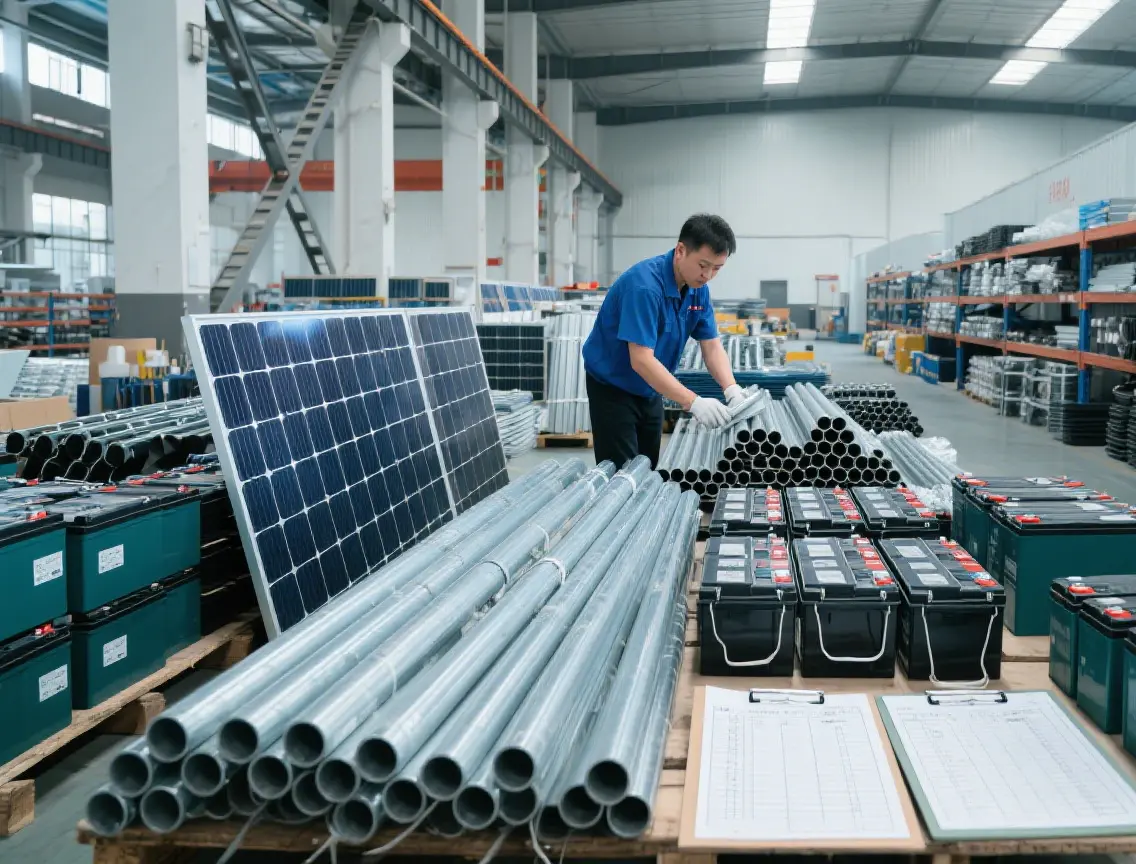 Raw Material Preparation
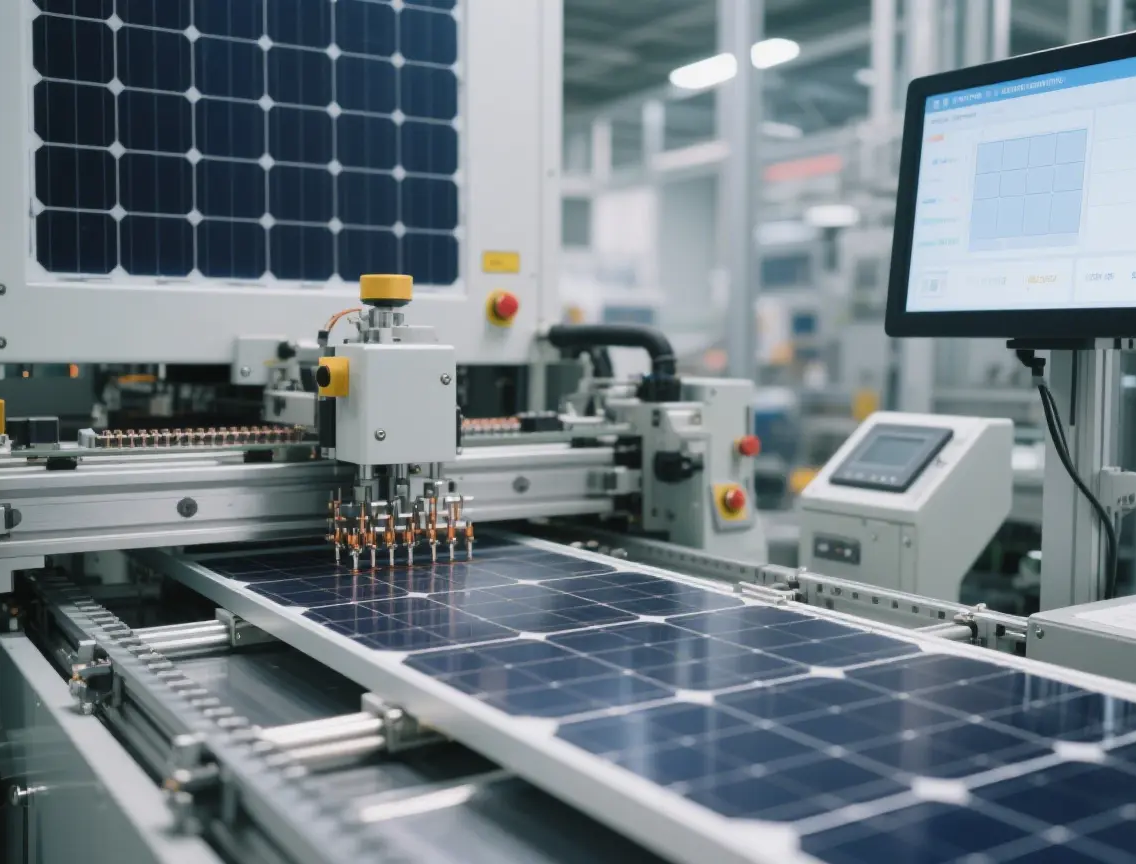 Solar Panel Fabrication
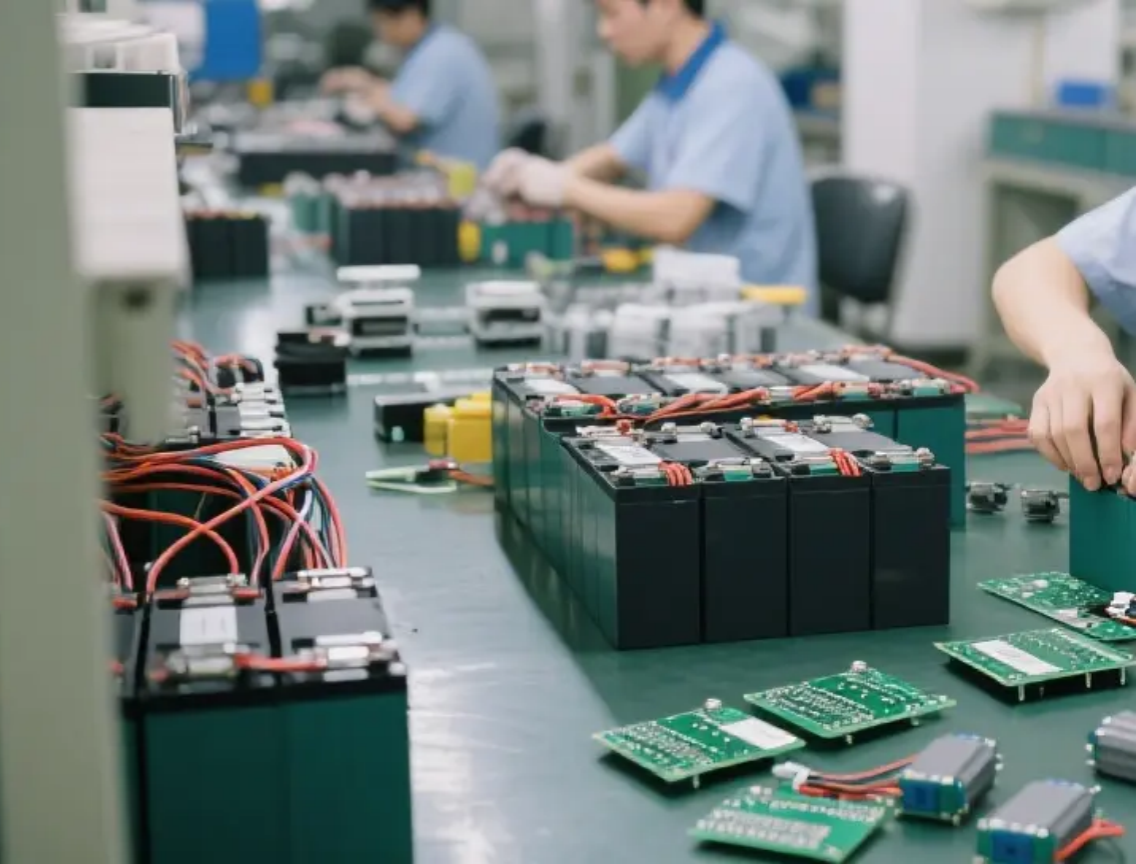 Battery Assembly
 Pole & Bracket Processing
 Controller Integration
 Luminaire Assembly
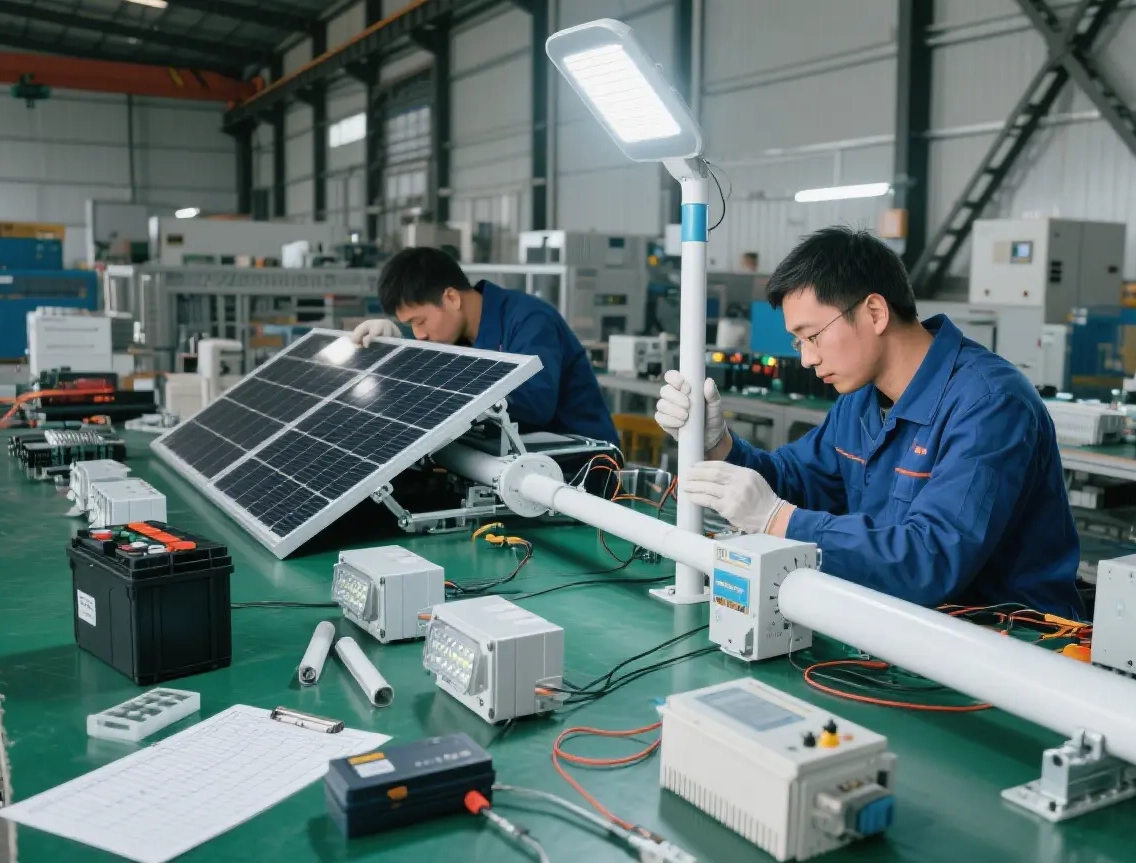 System Integration & Debugging
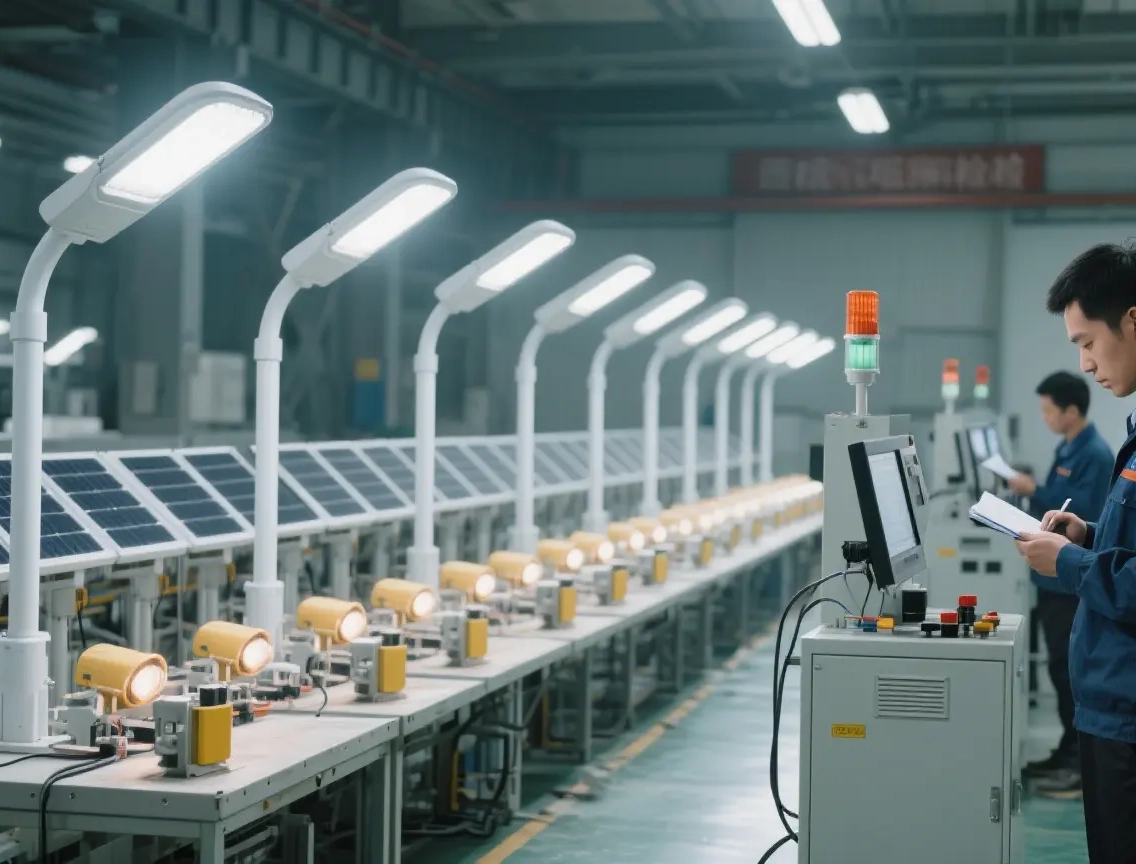 Burn-in & Quality Inspection
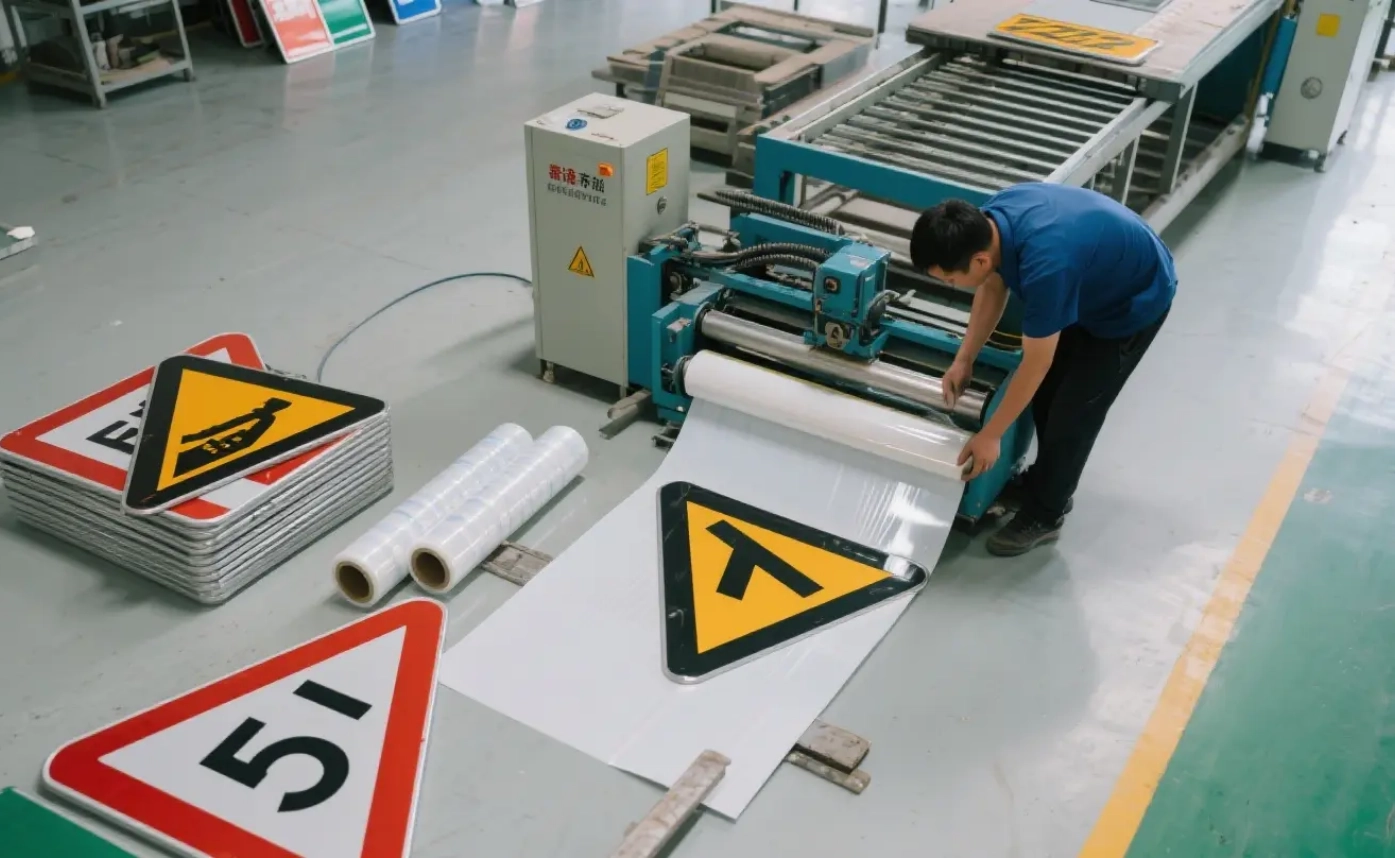 Reflective film laminating
 UV curing
 Welding and forming
 Assembly and welding
We ensure all programmable signals adhere to international standards including MUTCD (USA), CE/EN12368 (Europe), and various local certifications for luminance and color chromaticity.
From initial design and mold development to prototype testing and mass logistics. We eliminate intermediaries to ensure cost-efficiency and faster delivery.
Our commitment to carbon reduction is reflected in our LED technologies which offer 80% energy savings compared to traditional halogen signal lamps.
Large-scale infrastructure projects require more than just a product list. We focus on the core KPIs that procurement officers care about:
A programmable signal allows for remote adjustments to timing phases, light intensity, and sequencing through a centralized software interface or localized sensors, as opposed to manually set physical timers.
Yes, we specialize in high-efficiency solar street and traffic lighting solutions, incorporating MPPT controllers and LiFePO4 batteries for reliable performance in all climates.
Our manufacturing process is ISO9001 certified. We also hold multiple patents in optical design and our products are designed to meet CE, RoHS, and IP67 standards.
Absolutely. We offer full ODM services including custom housing colors, pole heights, and specific control logic integration to match your city's aesthetic and technical requirements.
Every batch undergoes 72-hour burn-in testing, photometric analysis, and vibration testing before shipment to ensure durability during transit and long-term operation.
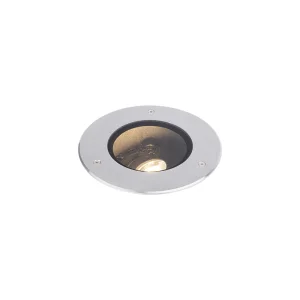 Litecent 20W LED Uplight Waterproof RGB IP67 Buried Landscape Garden Light
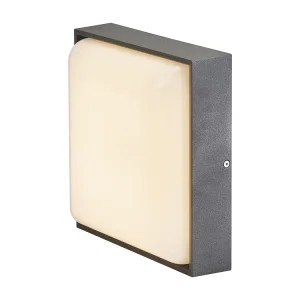 LED Light 100-240V Courtyard Facade Wall Lamp Waterproof Outdoor Wall Lamp
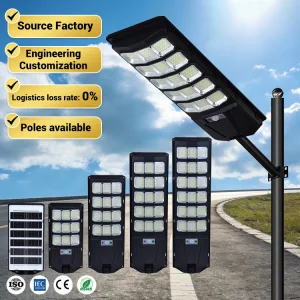 High Quality ABS IP65 6500K Road Lamp 100W- 400W Radar Sensing Solar Street Lights
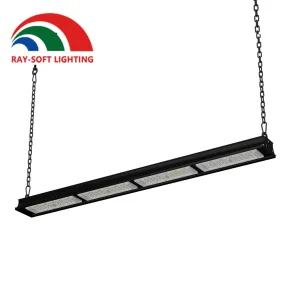 200W LED Industrial Aluminum Linear High Bay Light Module IP65 Factory Tunnel
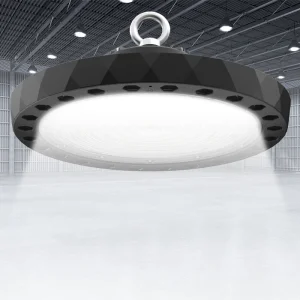 High Quality 5 Years Warranty Ip65 Waterproof 100 Watt Ufo Led High Bay Lights
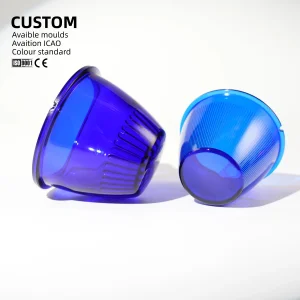 Custom Size Colors Shape Molded Explosion-Proof Warning Lights Glass Lamp Cover
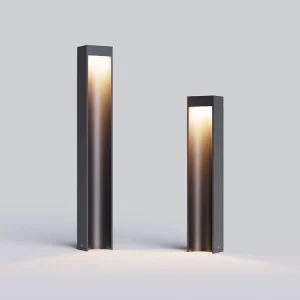 BCN Lawn Lamp Outdoor IP65 Waterproof Aluminum LED 3500K Modern Landscape Lighting
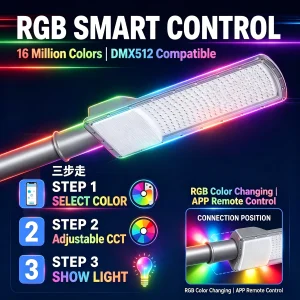 RGB Smart Street Light with DMX512 Remote Control Color Changing LED Pole Lamp
 Lukas Lighting