As the global push for "Net Zero" emissions intensifies, industrial lighting has transitioned from a basic utility to a strategic asset. Motion sensor lighting represents the vanguard of this transition, reducing wasted energy by up to 80% in low-traffic areas. Today's global supply chain demands more than just illumination; it requires CE-certified, data-capable systems that integrate with Building Management Systems (BMS). Our solutions leverage Passive Infrared (PIR) and Microwave Doppler radar technologies to ensure that heavy industries, logistics hubs, and smart cities minimize their carbon footprint while maximizing site safety.
Navigating international standards is paramount for a global exporter. Our CE certification goes beyond a mere sticker; it signifies compliance with the LVD (Low Voltage Directive) and EMC (Electromagnetic Compatibility) requirements of the European Economic Area. For our North American partners, we offer ETL-compliant hardware, ensuring seamless insurance approvals and local building code adherence. We provide localized technical documentation, IES files for photometric planning, and 24/7 engineering support to bridge the gap between Chinese manufacturing excellence and local on-site implementation.
From the high-humidity environments of Southeast Asian coastal ports to the sub-zero logistics centers in Northern Europe, our motion sensor lighting is engineered for localized extremes. We provide "Adaptive Dimming" profiles: in public parks, sensors maintain a 10% safety glow until movement is detected; in high-security railway tunnels, sensors trigger instant high-lumen output paired with camera activation. This contextual intelligence ensures that whether the application is a private corporate campus or a municipal highway, the lighting responds to the specific rhythm of the local environment.
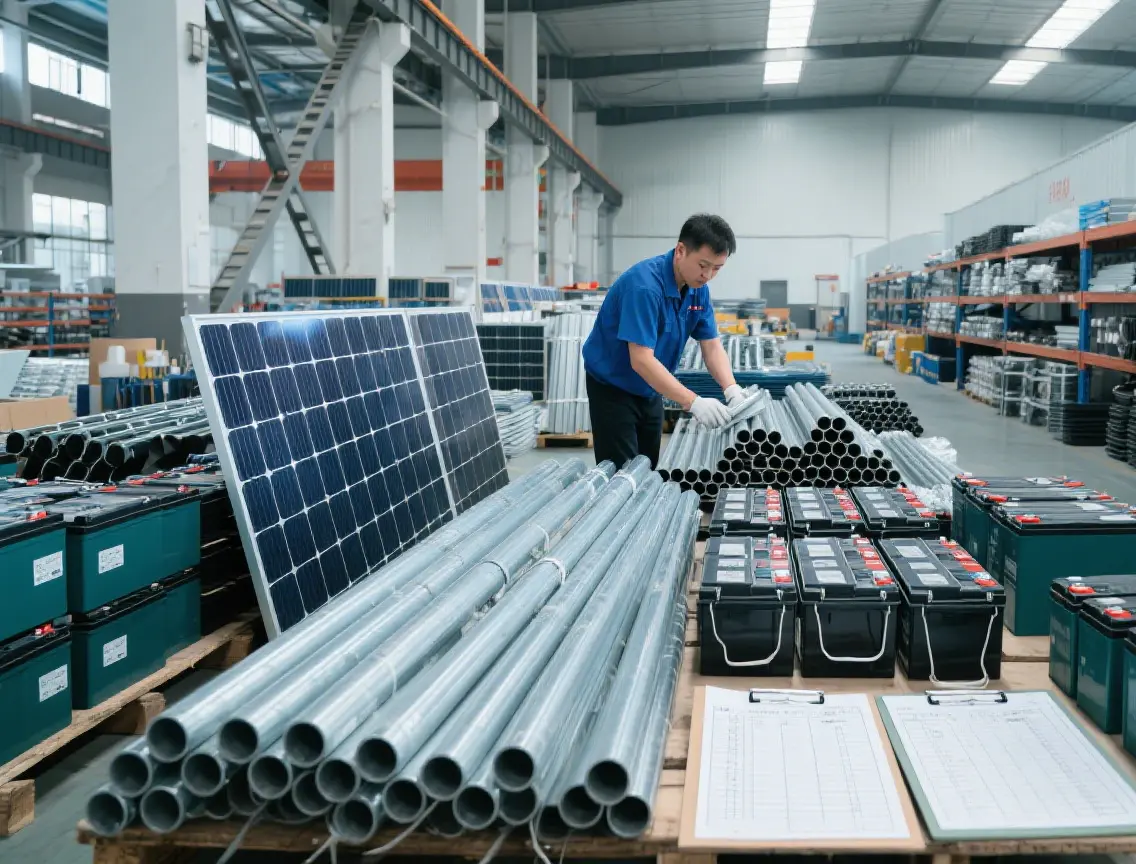
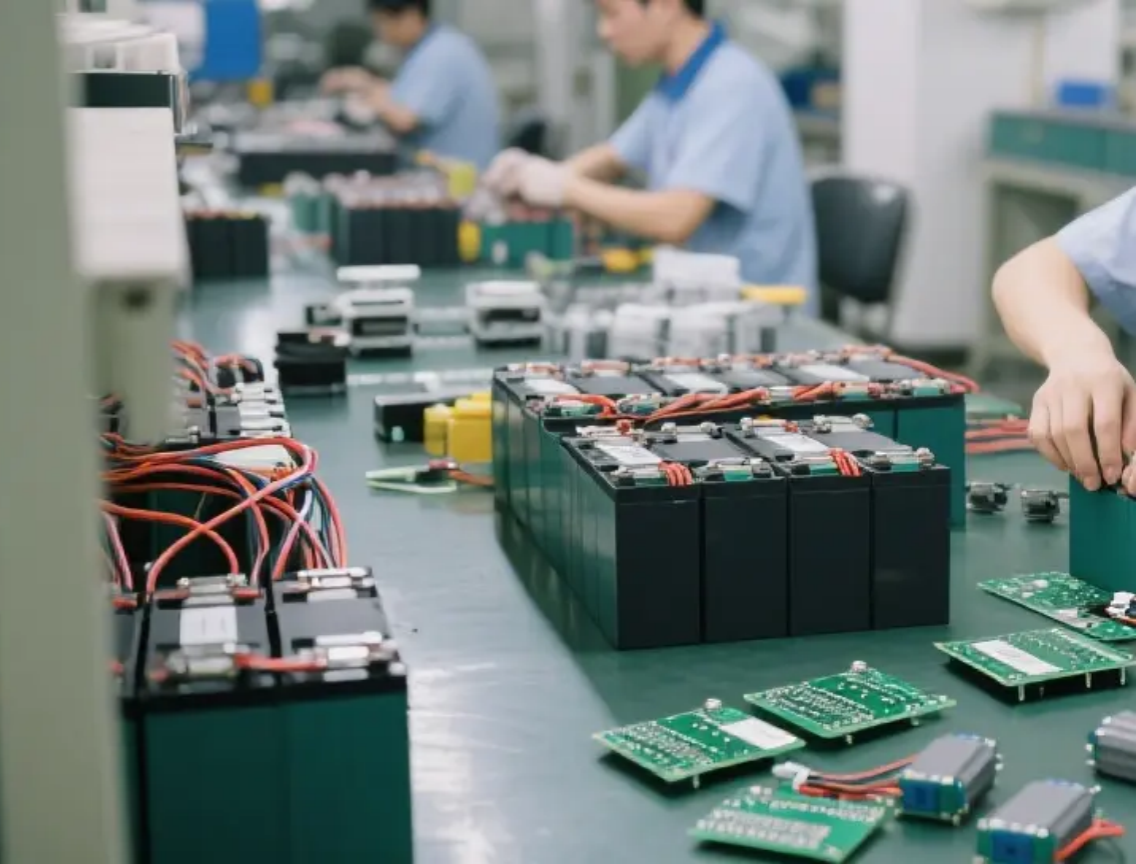
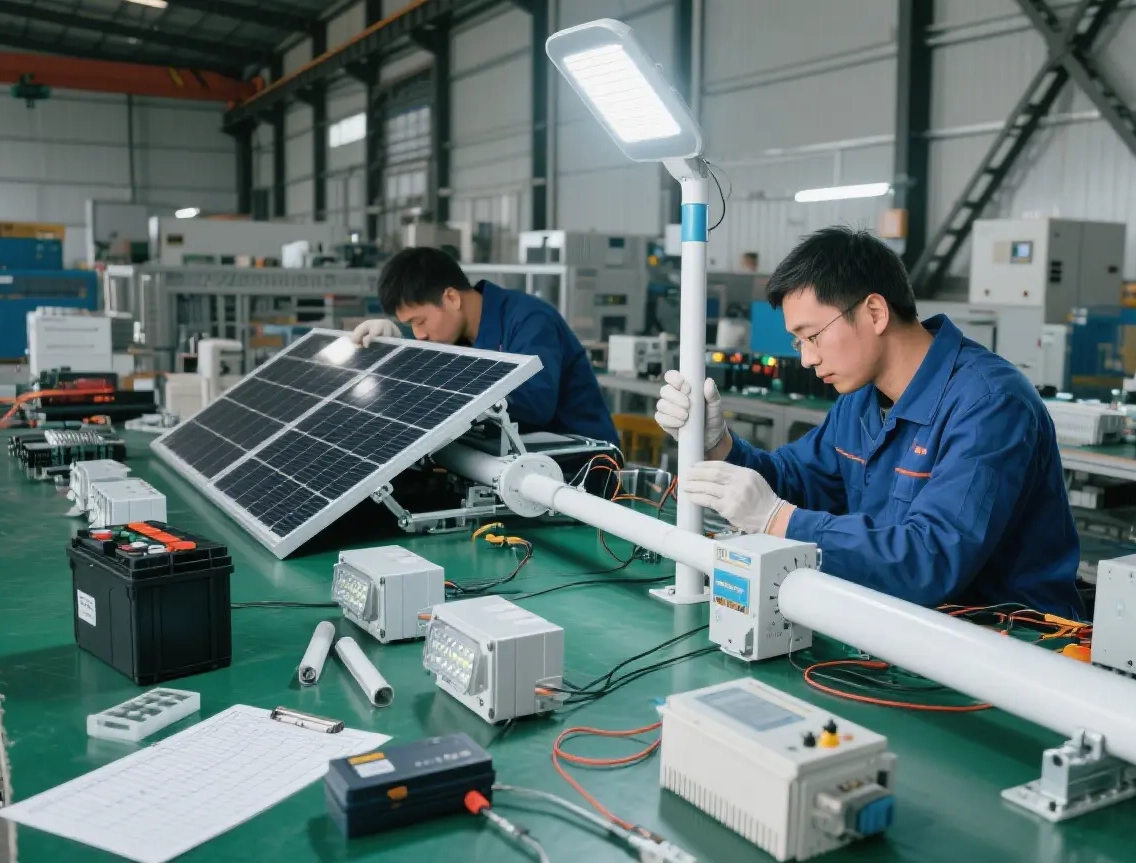
Established in 1998, Jiangsu Lukas Lighting Co., Ltd. has spent over two decades defining the standards of the outdoor lighting industry. What began as a dedicated manufacturing facility has evolved into a global powerhouse of innovation, sustainability, and intelligent street lighting solutions. Our 11,000-square-meter modern production base in Jiangsu serves as the heart of our operations, where veteran engineers and skilled technicians collaborate to push the boundaries of what's possible in LED technology.
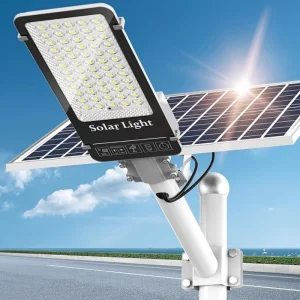
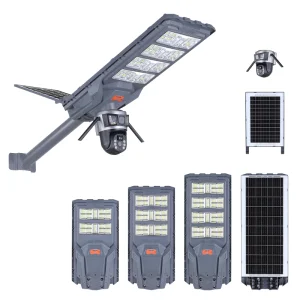
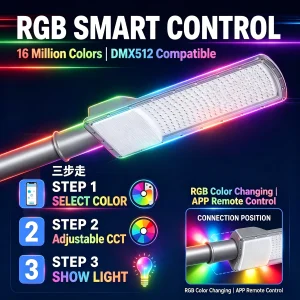
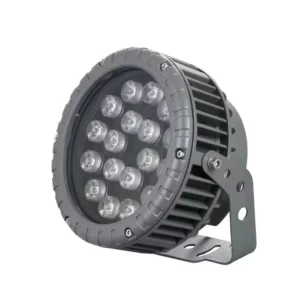
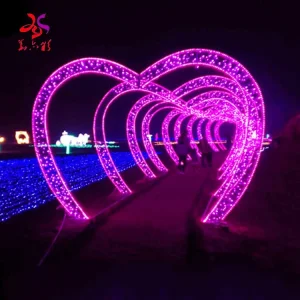
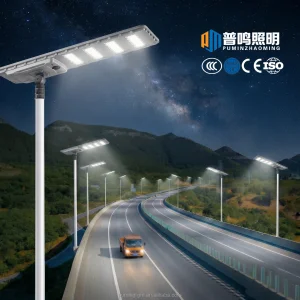
Our portfolio is a testament to our adaptability, spanning LED street lights, high-efficiency solar systems, and sophisticated landscape lighting. We don't just sell fixtures; we provide the backbone for smart city development, industrial safety, and public infrastructure across five continents.
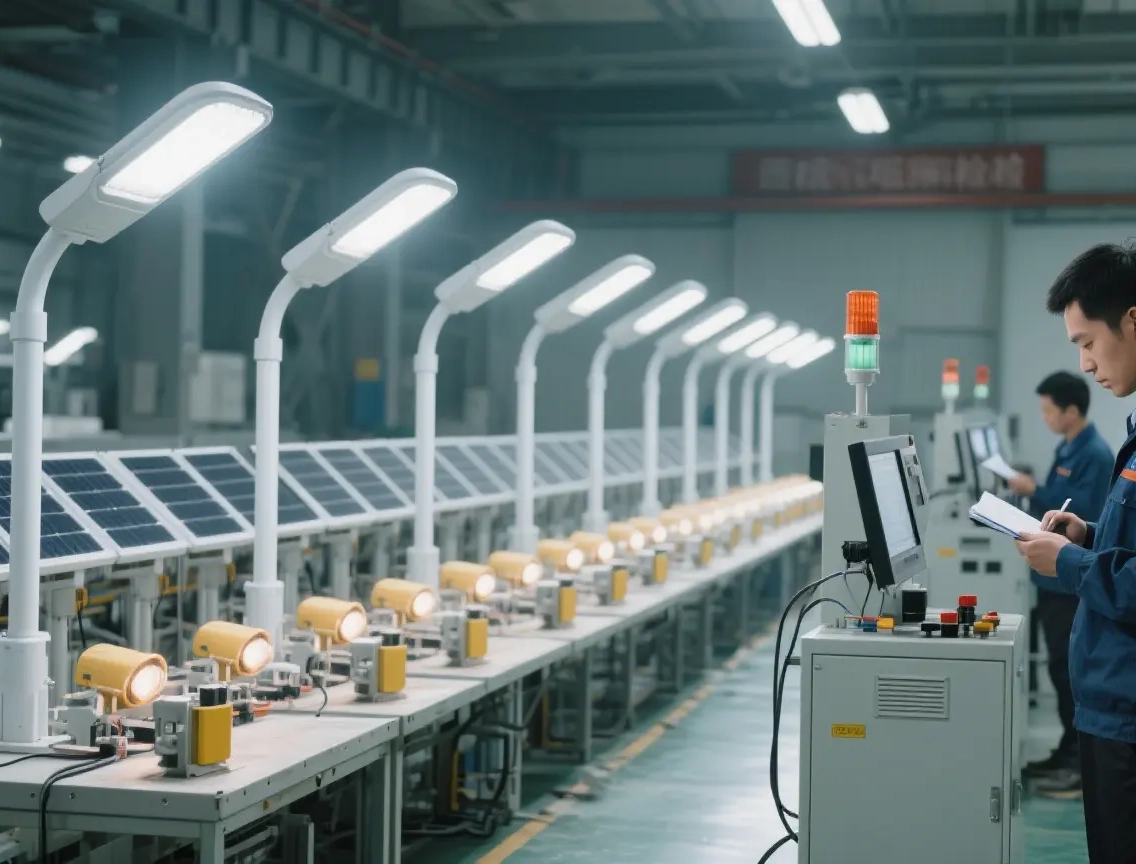
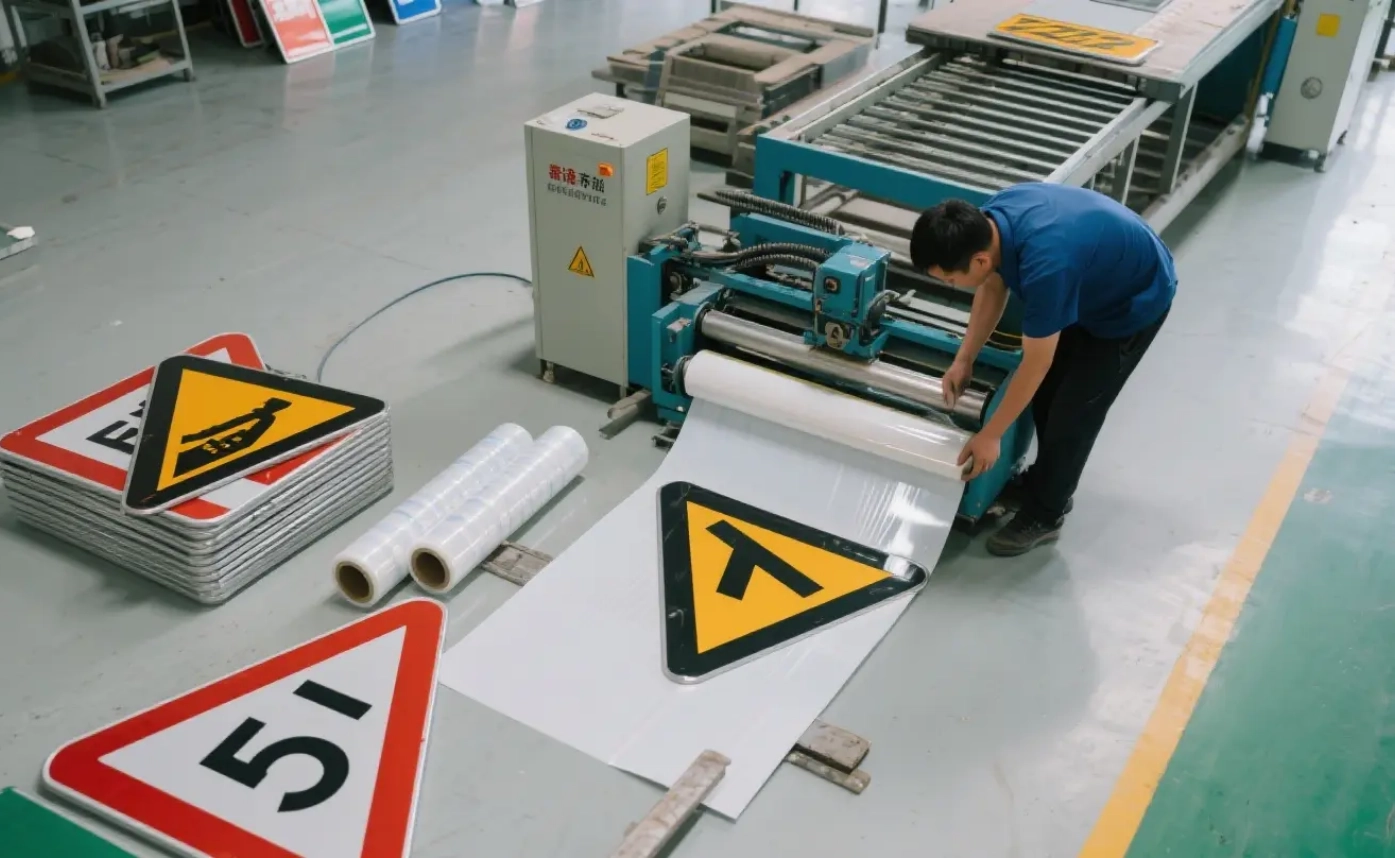
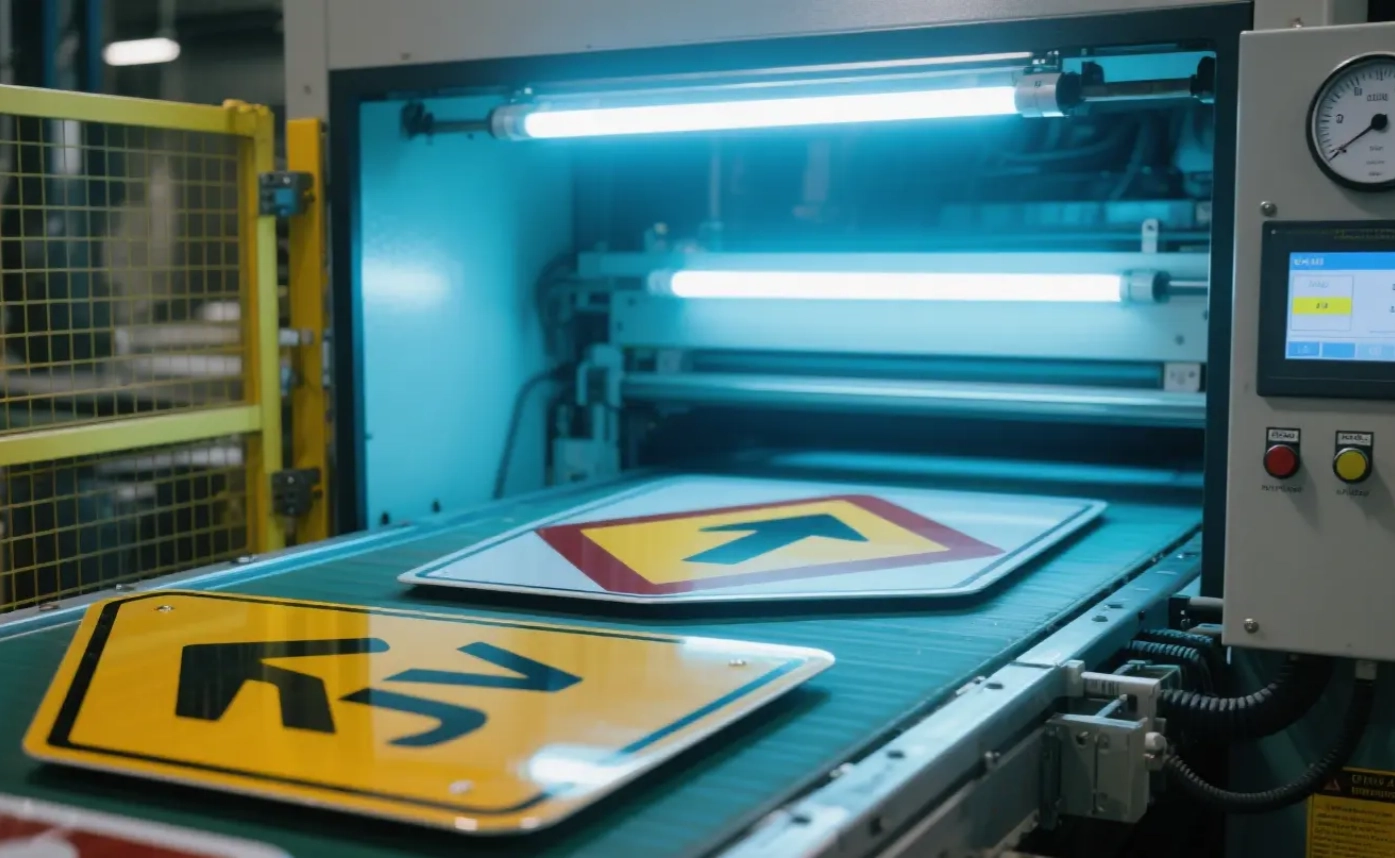
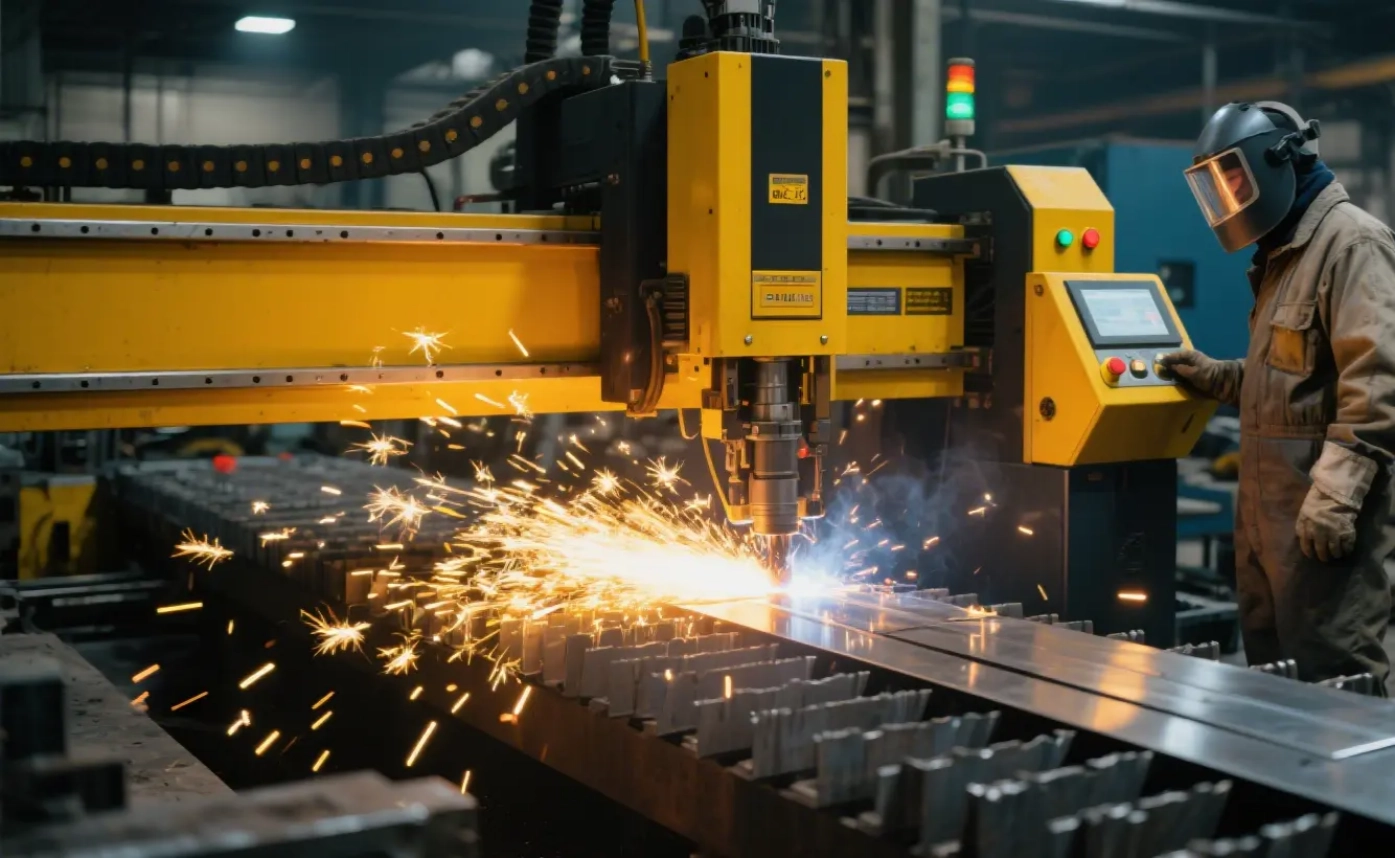
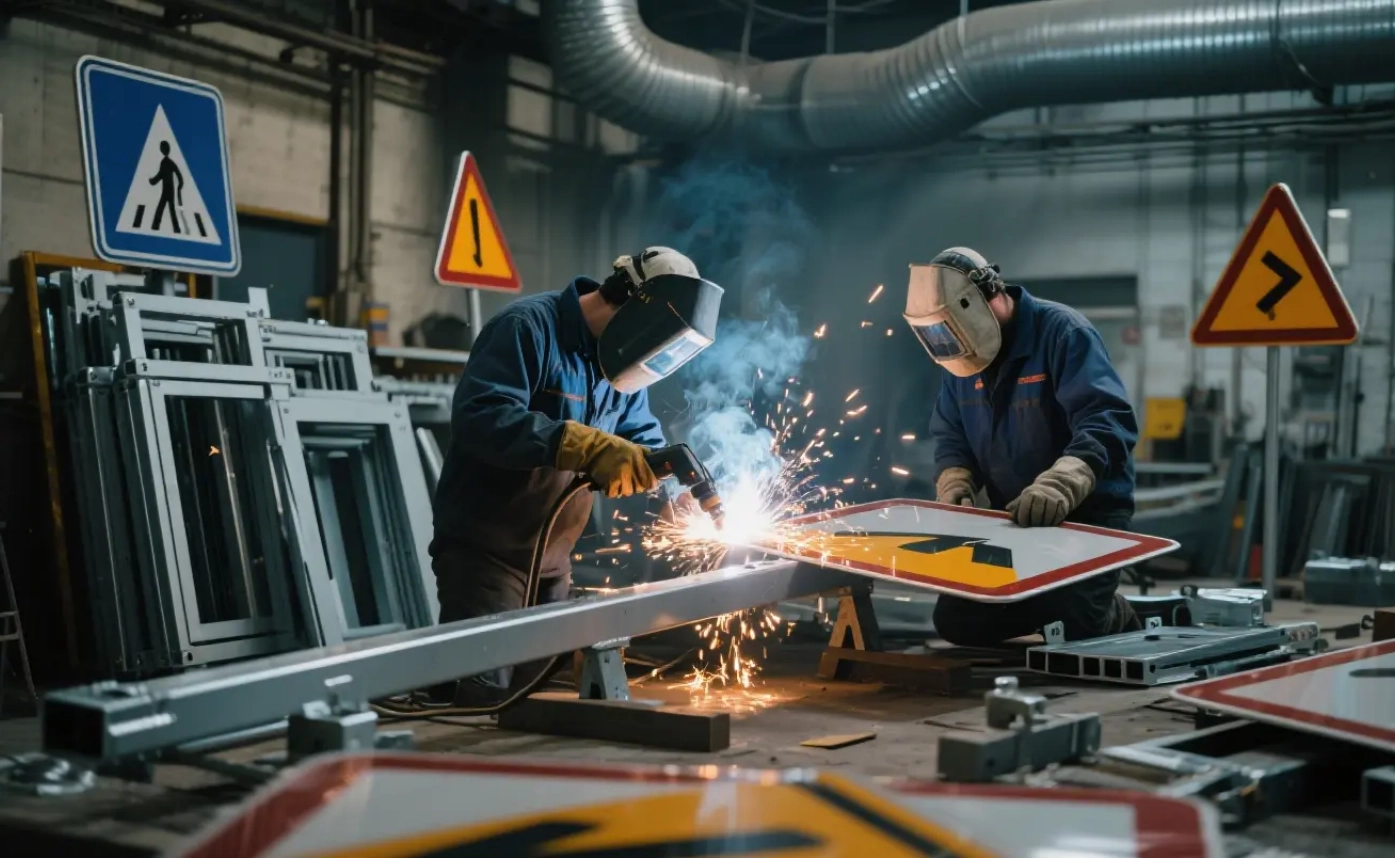
Every luminaire undergoes rigorous "Burn-in" testing and photometric analysis. Our facility uses advanced optical testing equipment to ensure every CE-marked product meets the exact Luminous Efficacy promised. From raw material selection to UV curing and final system integration, we eliminate human error through automation.




We are transitioning our core sensor technology from traditional PIR (Passive Infrared) to Dual-Technology Sensing. While PIR is excellent for thermal detection, our new Microwave Doppler Radar modules can "see" through thin walls and obstacles, making them ideal for complex industrial warehouse layouts. Our future roadmap includes AI-integrated vision sensors that can distinguish between a human worker and a moving machine, further refining energy efficiency.
By 2026, Lukas Lighting aims to integrate Li-Fi (Light Fidelity) into our motion sensor streetlights, allowing the lights to act as high-speed data transmitters. This will turn every light pole into a 5G/6G relay station, supporting autonomous vehicle navigation and real-time environmental monitoring. We are not just building lights; we are building the neural network of the modern city.
 Lukas Lighting