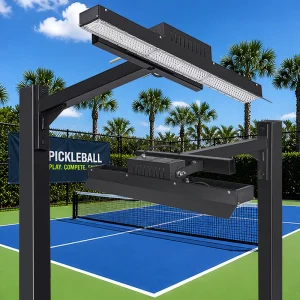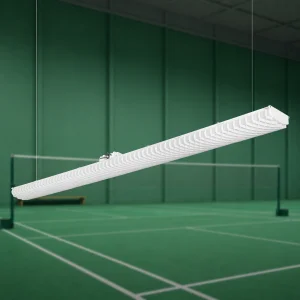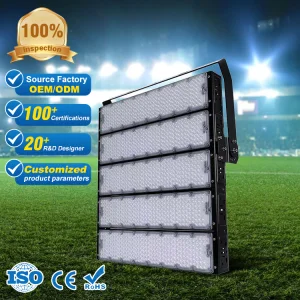
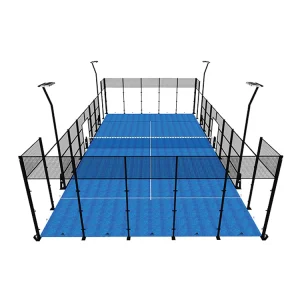
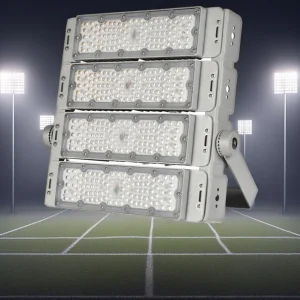
The Netherlands boasts one of the highest densities of sports clubs in the world, with over 25,000 sports facilities accommodating football (KNVB), tennis & padel (KNLTB), hockey, and athletics. However, this dense concentration presents unique challenges. The Dutch sports market operates under a strict matrix of regulatory frameworks, societal energy goals, and ecological restrictions designed to minimize impact on the environment.
In accordance with the NSVV (Nederlandse Stichting Voor Verlichtingskunde) guidelines on "Lichthinder" (Light Intrusion), sports field lighting cannot be installed without rigorous planning. Light spill into adjacent residential properties and ecological zones (Natura 2000 areas) must be closely controlled. The transition from legacy high-intensity discharge (HID) metal halide systems to precision-engineered LED luminaires has moved from a cost-saving recommendation to an absolute regulatory imperative.
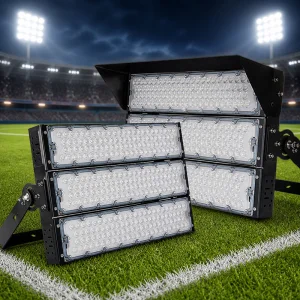
Furthermore, Dutch municipal sports authorities (Gemeenten) require luminaires to qualify for the EIA (Energie-investeringsaftrek), a fiscal scheme providing tax deductions for investments in energy-saving assets. Consequently, our sports field lighting systems for the Netherlands market are engineered to deliver a luminous efficacy of up to 190 lm/W, integration with smart Dali-2 dimming protocols, and tailored asymmetric optics that guarantee zero upward light output (ULOR = 0%).
| Sports Category | Class I (Professional) | Class II (Semi-Pro/Club) | Class III (Recreational/Training) | Typical Dutch Application |
|---|---|---|---|---|
| Football (Voetbal) | ≥ 500 Lux, Uo ≥ 0.7 | ≥ 200 Lux, Uo ≥ 0.6 | ≥ 75-100 Lux, Uo ≥ 0.5 | KNVB Competition and local community pitches |
| Tennis & Padel | ≥ 750 Lux, Uo ≥ 0.7 | ≥ 500 Lux, Uo ≥ 0.7 | ≥ 300 Lux, Uo ≥ 0.5 | KNLTB league play & municipal padel hubs |
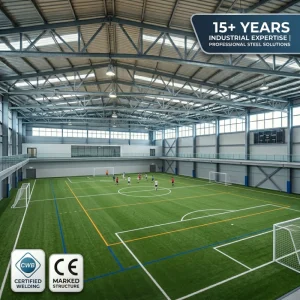
| Indoor Sports Halls | ≥ 750 Lux, Uo ≥ 0.7 | ≥ 500 Lux, Uo ≥ 0.7 | ≥ 300 Lux, Uo ≥ 0.5 | Multifunctional gymnasiums & school halls |
Globally, sports lighting has evolved from simple luminaire installation into dynamic, connected systems. Modern sports complexes are increasingly treated as part of broader municipal "Smart Cities" programs. By employing advanced IoT nodes, clubs can integrate motion sensors, dynamic scheduling, and demand-responsive dimming configurations.
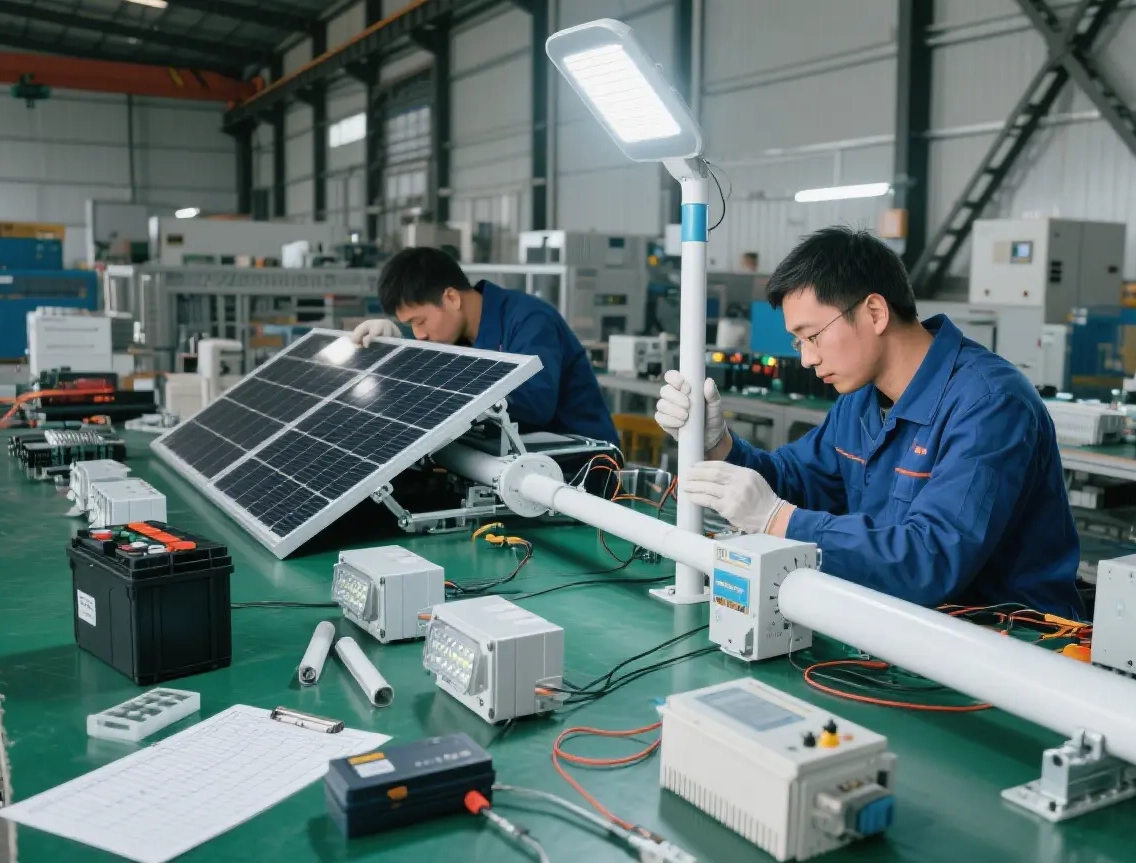
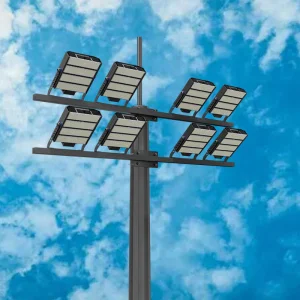
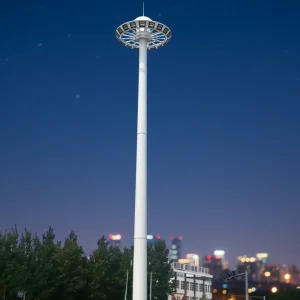
Lukas Lighting is at the forefront of this technological shift. Our R&D department specializes in modular high-mast systems that feature plug-and-play driver compartments. This modularity not only makes installation and maintenance significantly cheaper but also satisfies circular economy criteria by ensuring single-component replaceability instead of throwing away entire luminaire bodies.
Furthermore, in markets characterized by high energy costs like the Netherlands, the integration of smart sensors ensures that lights are instantly dimmed to 10% during low-usage periods, or automatically set to match scheduled KNVB or KNLTB club league timetables via cloud API connections. This translates directly to an additional 30-40% reduction in electricity bills relative to standard unmanaged LED lighting.
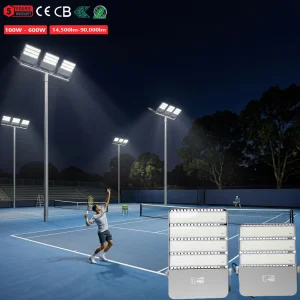
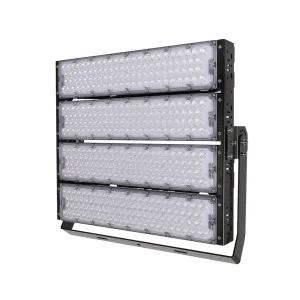
Glare control is critical for sports like tennis, padel, and football, where players must tracking fast-moving balls against a dark background. Our luminaires are engineered with structured multi-layer optical lenses made of PMMA materials that provide high light transmission without degrading over time under UV exposure. By utilizing internal louvers, deep-set LED light sources, and asymmetrical optic configurations, our sports lights drastically minimize glare (reducing UGR to below 19) and eliminate upward light scatter that would otherwise contribute to skyglow.
High-powered LED stadium lights run hot. Without advanced cooling structures, thermal accumulation leads to accelerated lumen depreciation and eventual driver failure. Lukas Lighting utilizes die-cast high-purity aluminum housings featuring a flow-through ventilation design. This allows natural convection to dissipate heat away from the LED engine, maintaining junction temperatures below 75°C. Combined with top-tier Meanwell or Inventronics drivers and high-capacity surge protection modules (10kV/20kV), our systems deliver a maintenance-free lifespan exceeding 100,000 hours.
Jiangsu Lukas Lighting Co., Ltd. was established in 1998 with a strong commitment to innovation, quality, and sustainability in the outdoor lighting industry. Over more than two decades of development, the company has grown into a professional manufacturer specializing in intelligent and energy-efficient street lighting solutions.
With continuous investment in research and development, Lukas Lighting has expanded its product portfolio to include LED street lights, solar street lights, smart lighting systems, landscape lighting, and customized municipal lighting solutions. Our products are widely used in urban roads, highways, industrial parks, residential communities, and public infrastructure projects across global markets.
Located in Jiangsu, China, our modern production base covers an area of approximately 11,000 square meters. The facility is equipped with advanced manufacturing technologies and operated by a team of experienced engineers and skilled technicians. This ensures strict quality control, precision manufacturing, and efficient large-scale production capabilities.
Our factory is equipped with a complete set of advanced production and testing systems, including:
These modern facilities enable us to maintain high production efficiency while ensuring stable and reliable product performance. Every product undergoes strict quality inspection procedures, from raw material selection to final assembly and lighting performance testing.
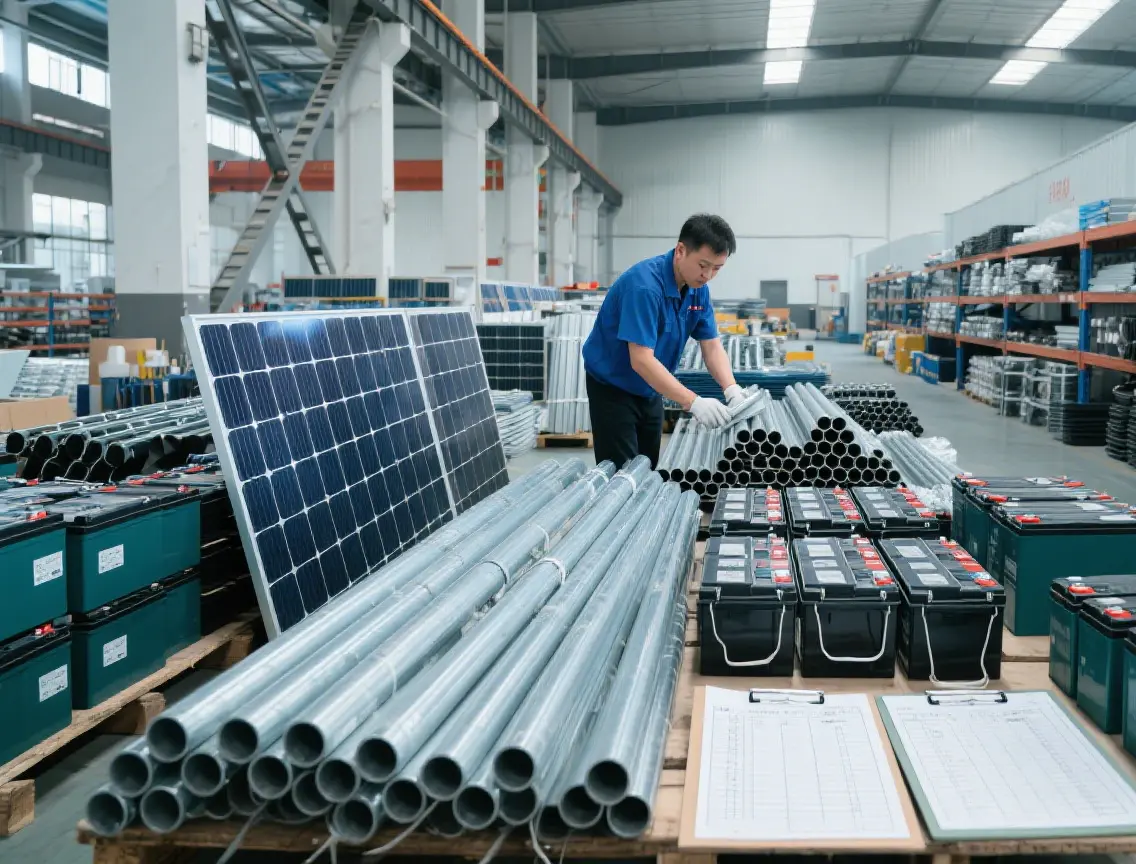
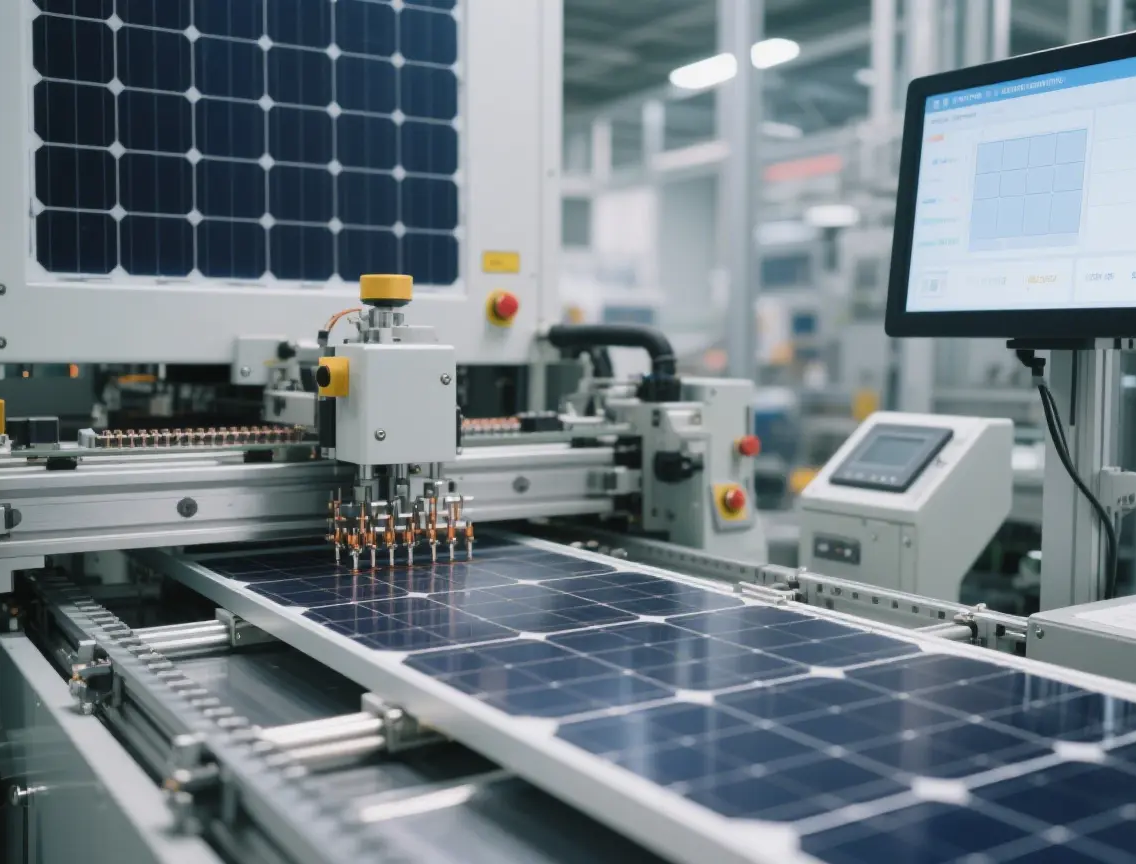
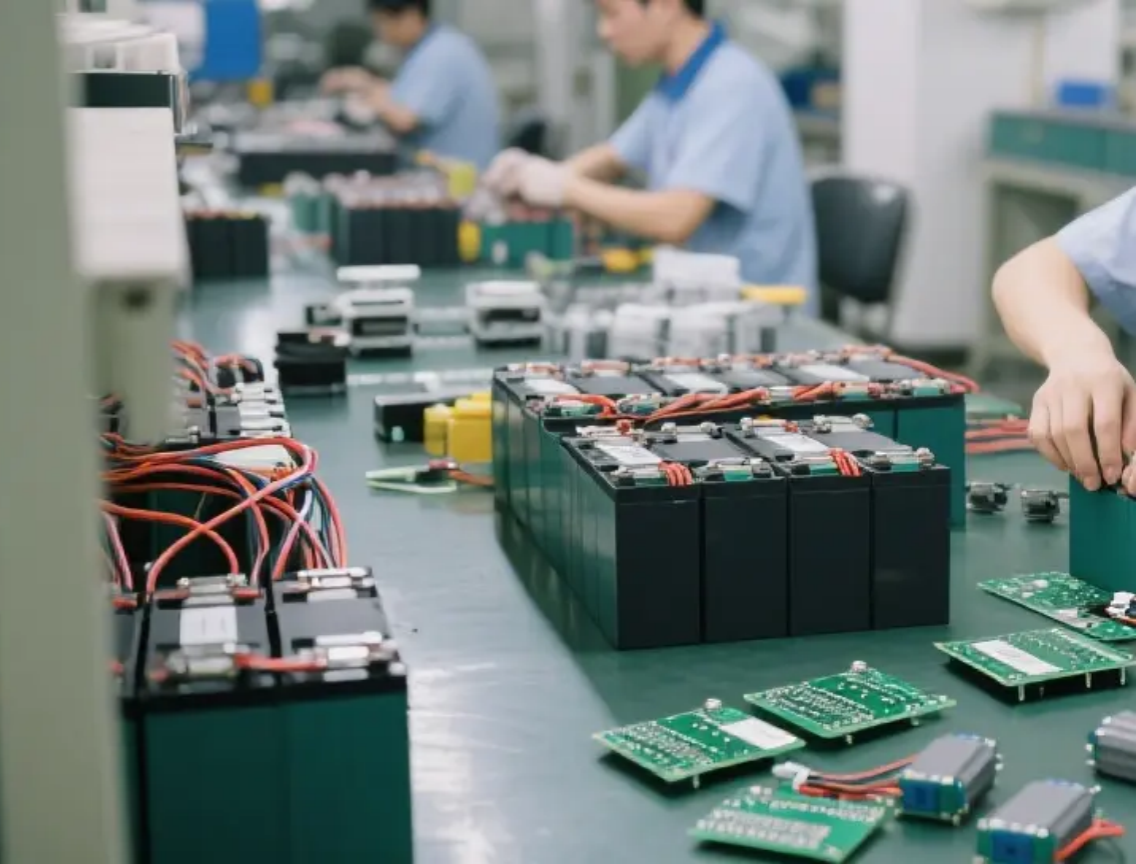
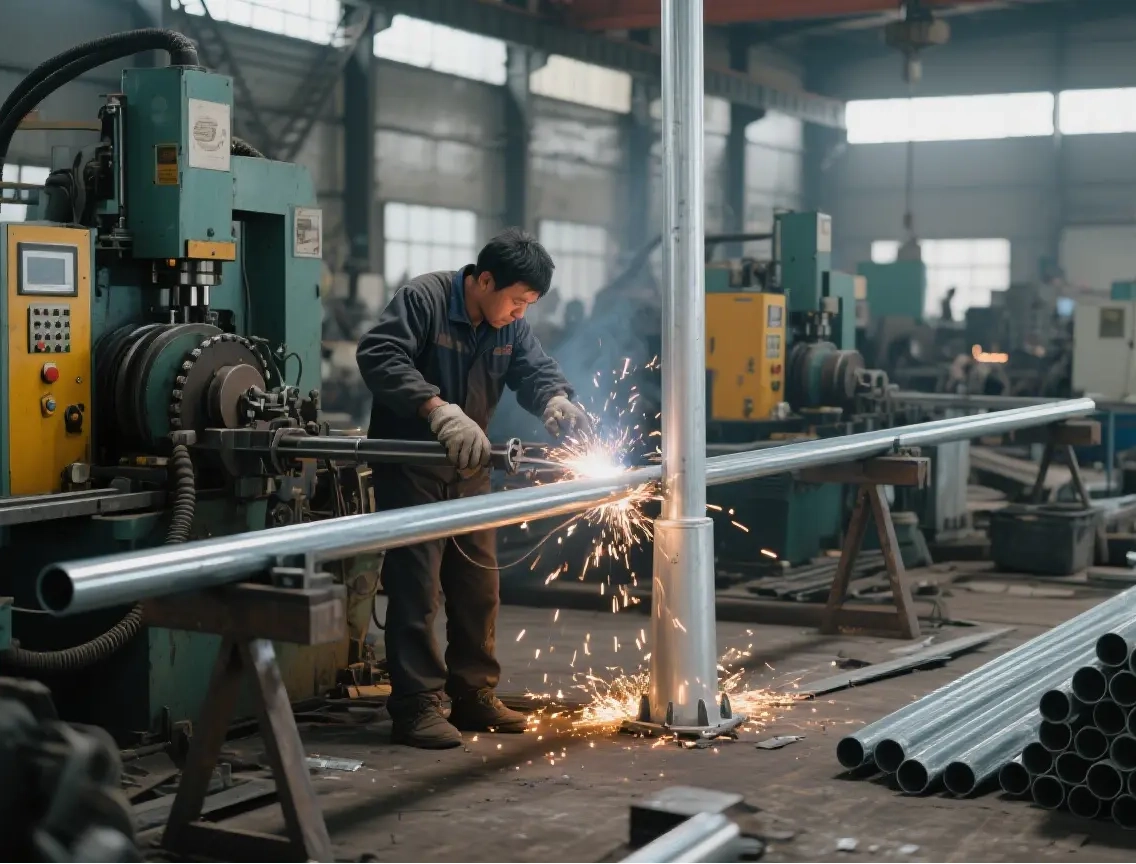
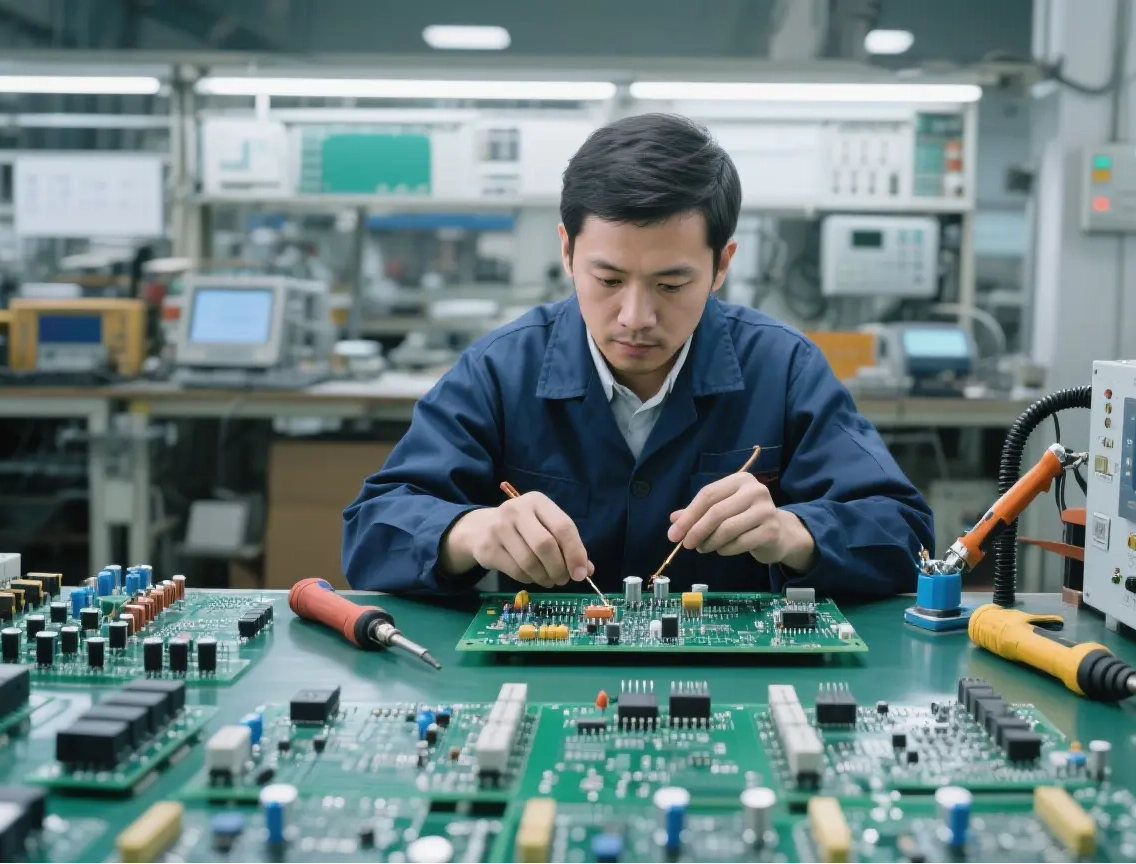
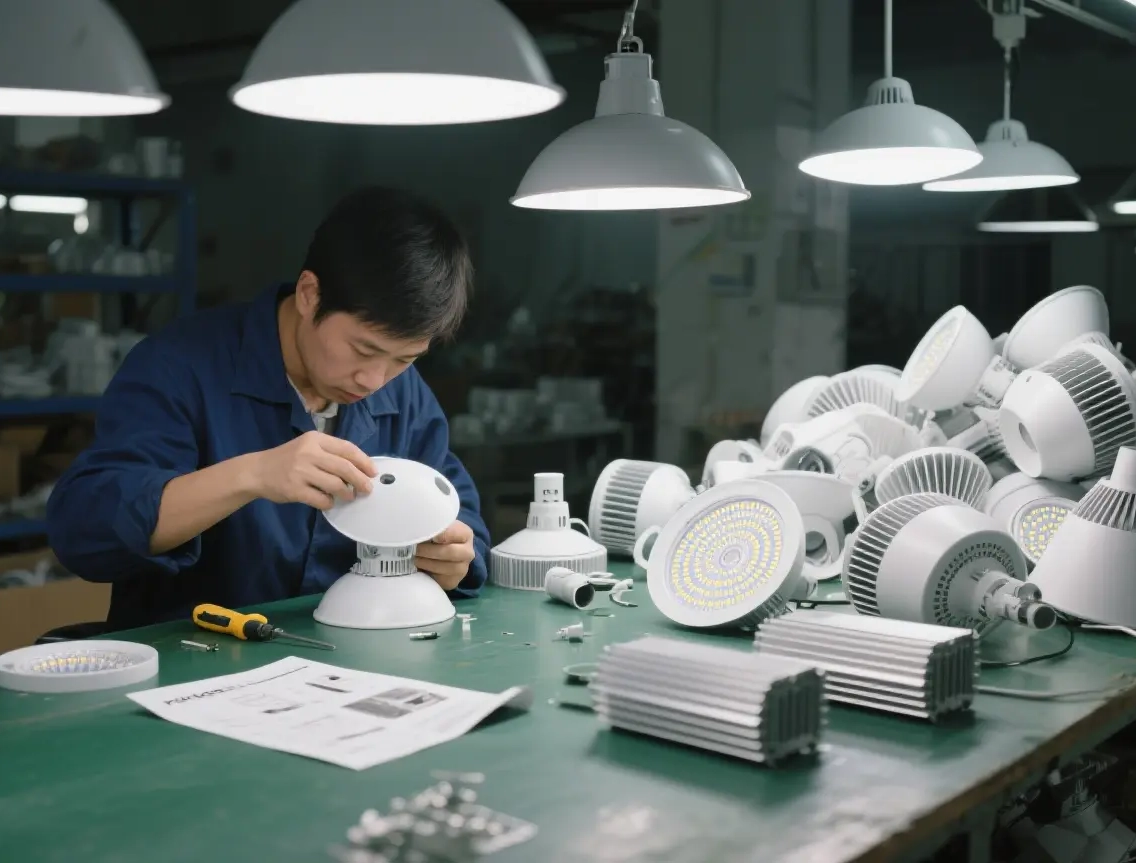
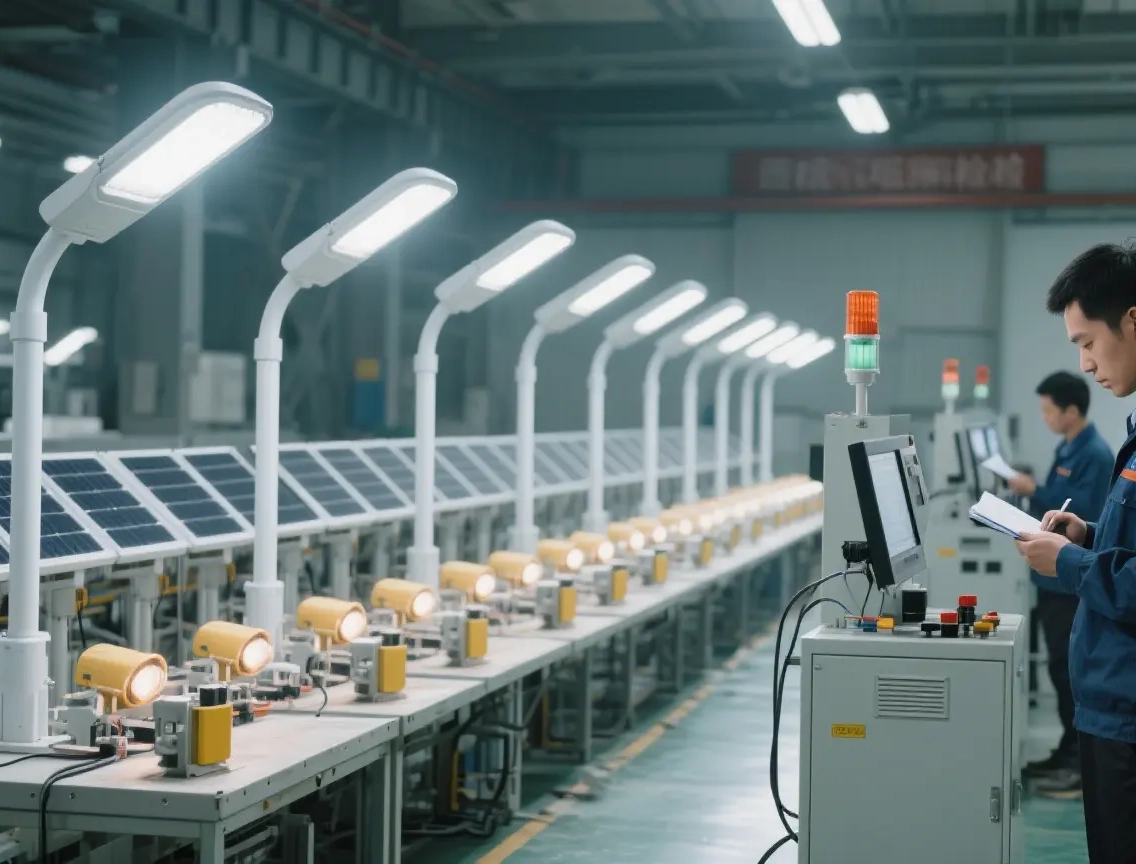
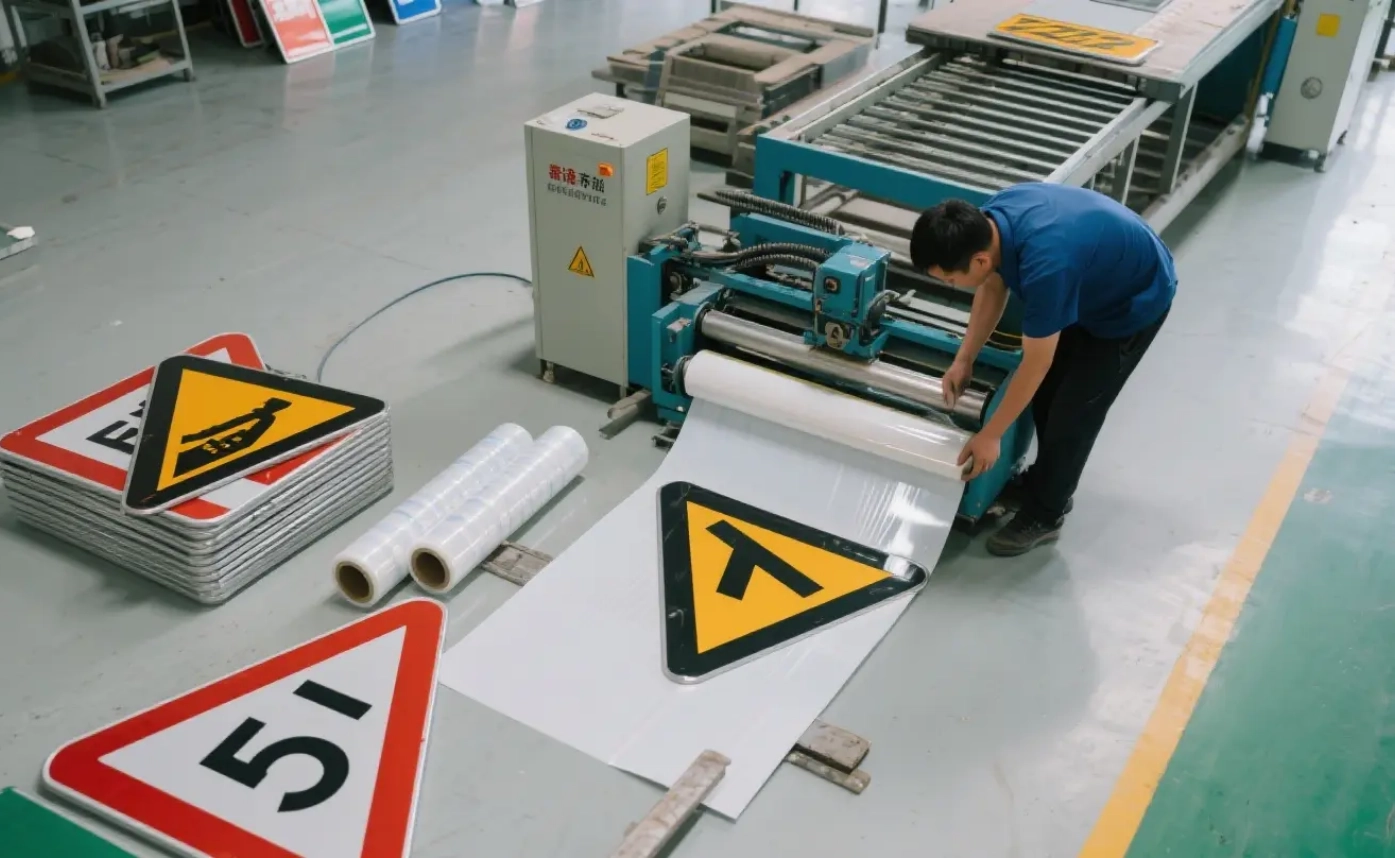
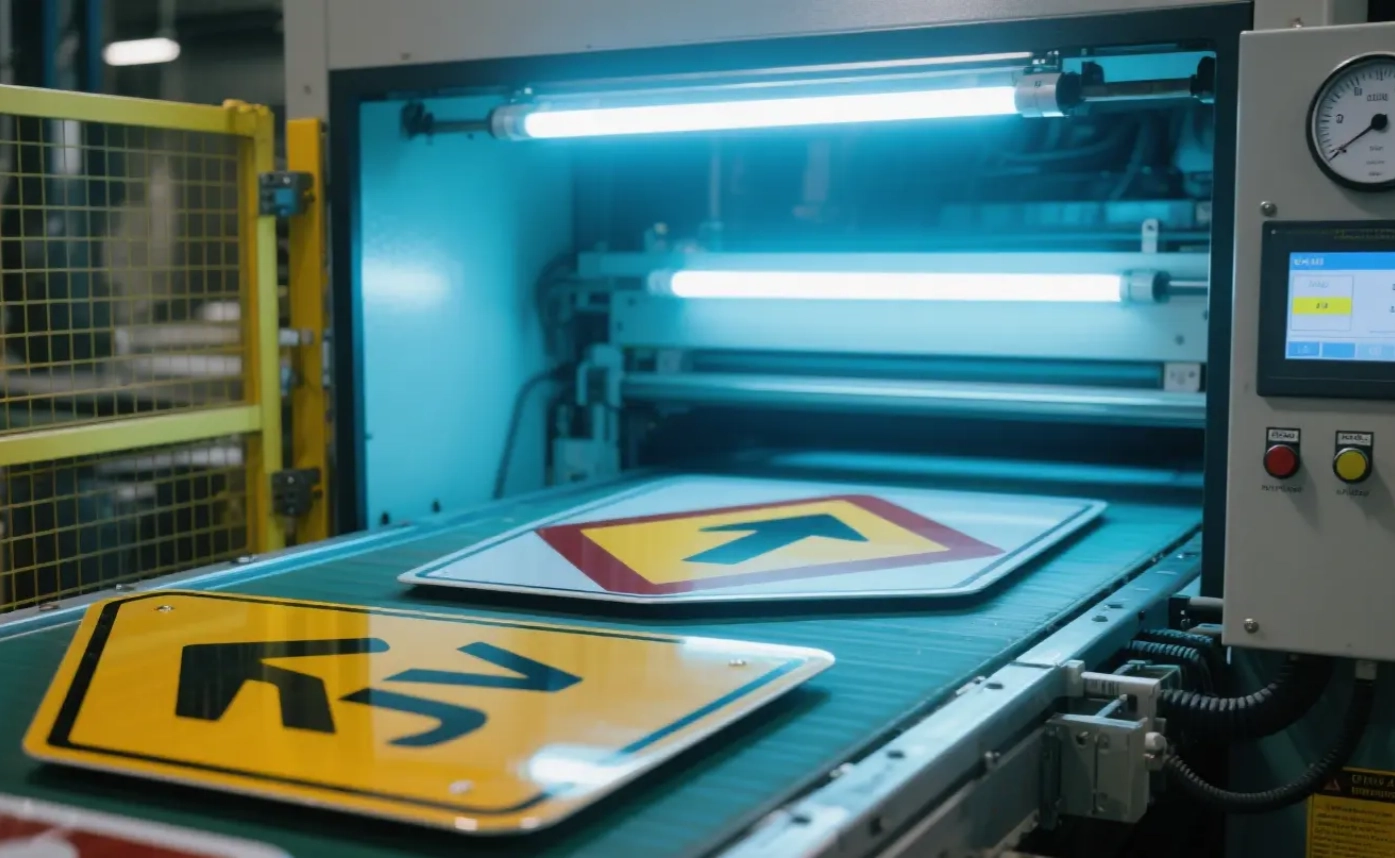
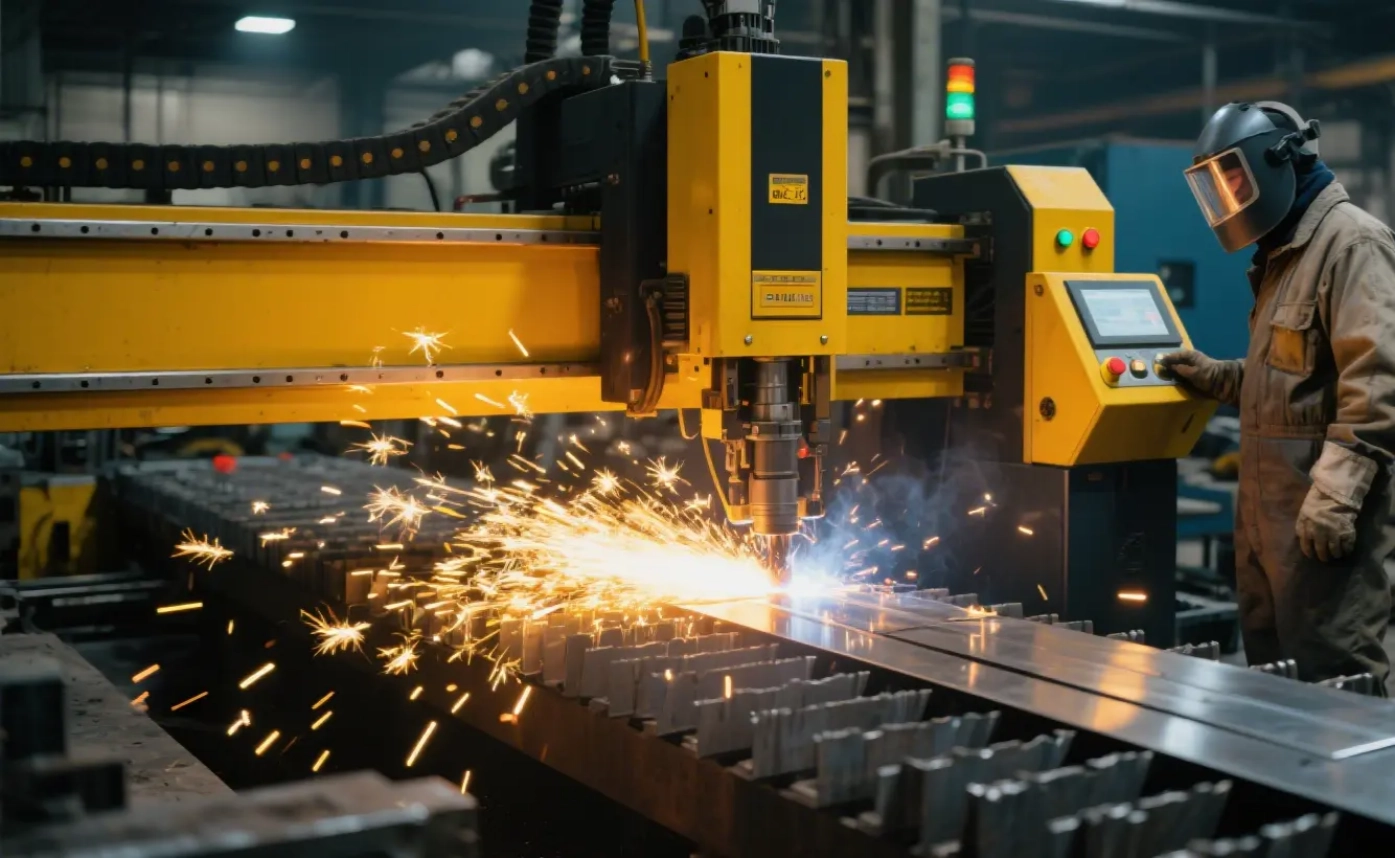
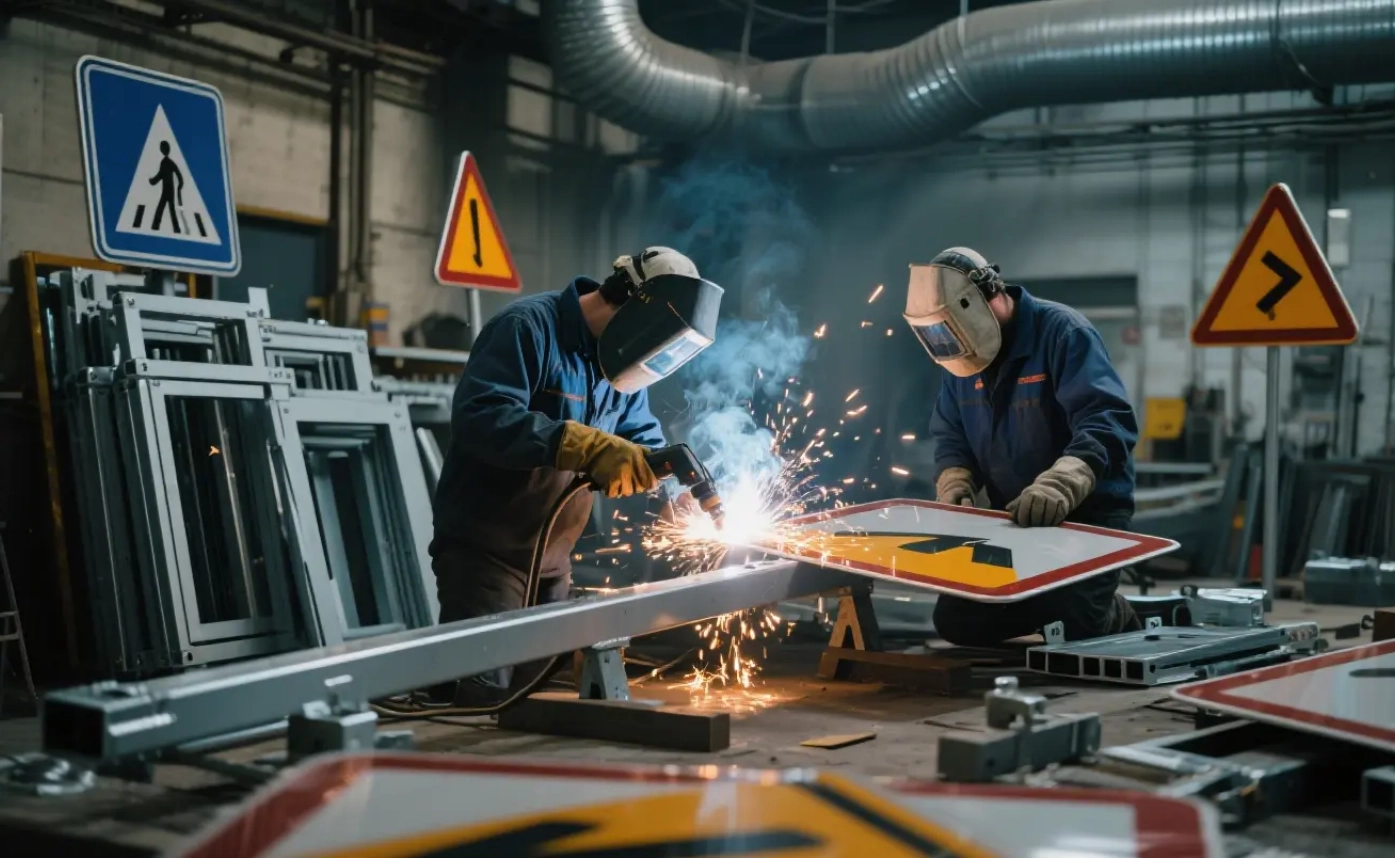
With efficient production lines and advanced automation, we are capable of handling both large-volume orders and complex customized projects with precision and speed.
We have established a comprehensive quality control system and have passed ISO9001 international certification. In addition, we have obtained multiple patents in lighting structure design and optical technology.
We provide fully integrated services including product design, mold development, prototype testing, mass production, and logistics support—eliminating intermediate links and ensuring faster delivery and better cost efficiency.
We continuously invest in energy-saving LED technologies and smart lighting control systems to support global carbon reduction goals and smart city development.
Looking ahead, we are investing heavily in technologies that combine localized energy generation with advanced controls. Our R&D team is developing smart hybrid solar wind masts that can power field lighting independently of the local grid. This is particularly valuable for remote training fields and municipal recreational facilities that suffer from grid connection bottlenecks.
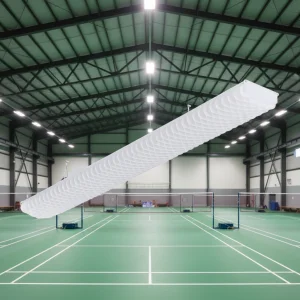
Additionally, we are implementing LiFi (Light Fidelity) interfaces inside our indoor sports linear luminaires. This technology enables ultra-secure, high-speed wireless communication directly via light waves, paving the way for next-generation telemetry tracking for professional athletes and real-time interactive audience engagement.
 Lukas Lighting