Engineered to withstand coastal humidity and Saharan heat across Rabat, Casablanca, and Marrakesh.
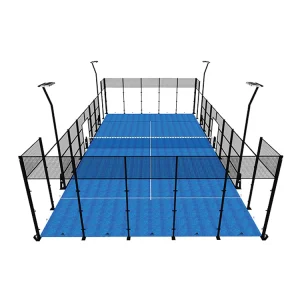
Morocco is witnessing an unprecedented infrastructure revolution. With the historic joint hosting of the 2030 FIFA World Cup alongside Spain and Portugal, and the upcoming 2025 Africa Cup of Nations (CAN 2025), the Kingdom has embarked on a nation-wide modernization program. Major sports complexes in Casablanca, Rabat, Tangier, Agadir, Marrakesh, and Fez are being upgraded to meet FIFA's strict international standards.
Beyond elite athletic venues, municipal initiatives like the National Initiative for Human Development (INDH) are building hundreds of local proximity sports pitches ("terrains de proximité") across rural and semi-urban communities. To maximize the utility of these community facilities, robust, reliable, and energy-efficient outdoor illumination is indispensable. For Moroccan municipal engineers and international purchasing consortia, importing directly from certified Chinese manufacturers guarantees access to cutting-edge technology at scale, providing a vital edge in cost efficiency and deployment speed.
Designing sports lighting for Morocco requires an in-depth understanding of the country's dual micro-climates. Outdoor fixtures must withstand distinct, harsh environmental threats:
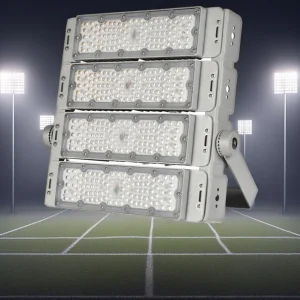
International sporting matches demand HDTV-compliant, flicker-free sports lighting. As an experienced exporter, our manufacturing processes prioritize these standards:
High-speed camera playbacks (up to 1000 frames per second) require less than 1% light modulation flicker. We supply high-end Inventronics and Meanwell drivers with ripple-free output currents, assuring ultra-clear 4K TV broadcast reception during high-stakes games.
To prevent glare from blinding athletes and spectators, we develop custom optical grade PMMA lenses. These deliver asymmetric light distributions, casting intense light directly onto the playing surface with zero upward light pollution (contributing to dark sky preservation).
Modern sports stadiums double as entertainment hubs. By integrating DMX control interfaces, operators can dim lights, establish schedules, and orchestrate pre-match light shows synchronized with sound systems, reducing operational energy costs by up to 45% compared to metal halide configurations.
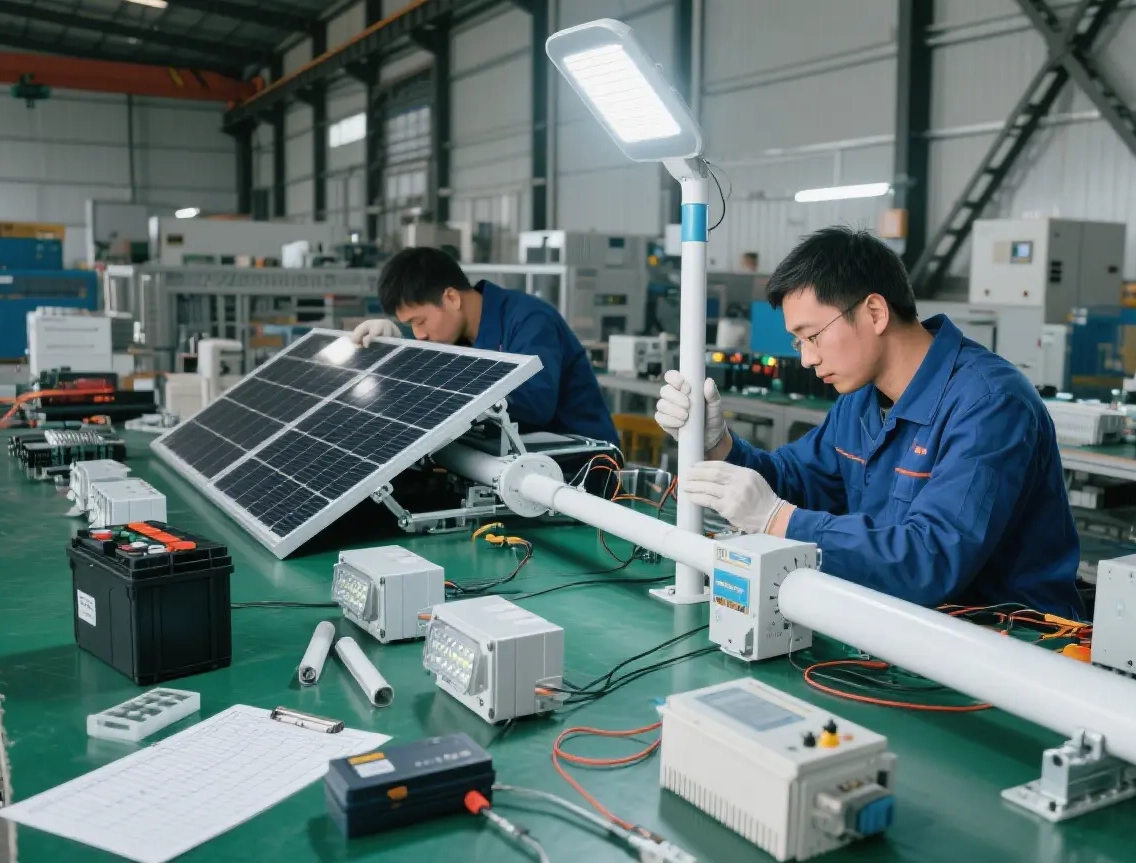
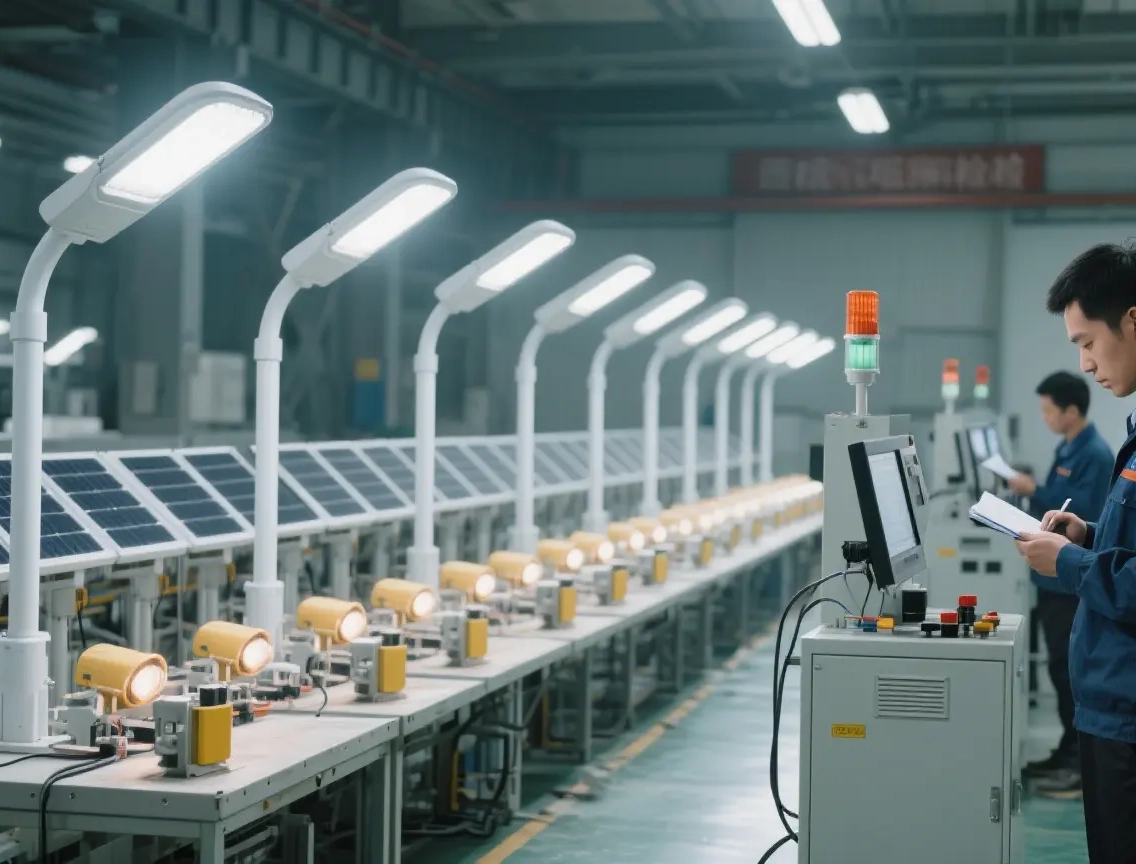
Established in 1998, Jiangsu Lukas Lighting Co., Ltd. has expanded into a global OEM/ODM manufacturer specializing in intelligent and energy-efficient sports field and municipal street lighting solutions. Located in Jiangsu, China, our modern manufacturing facility covers approximately 11,000 square meters, utilizing Industry 4.0 automation systems to guarantee strict quality control and high-volume output.
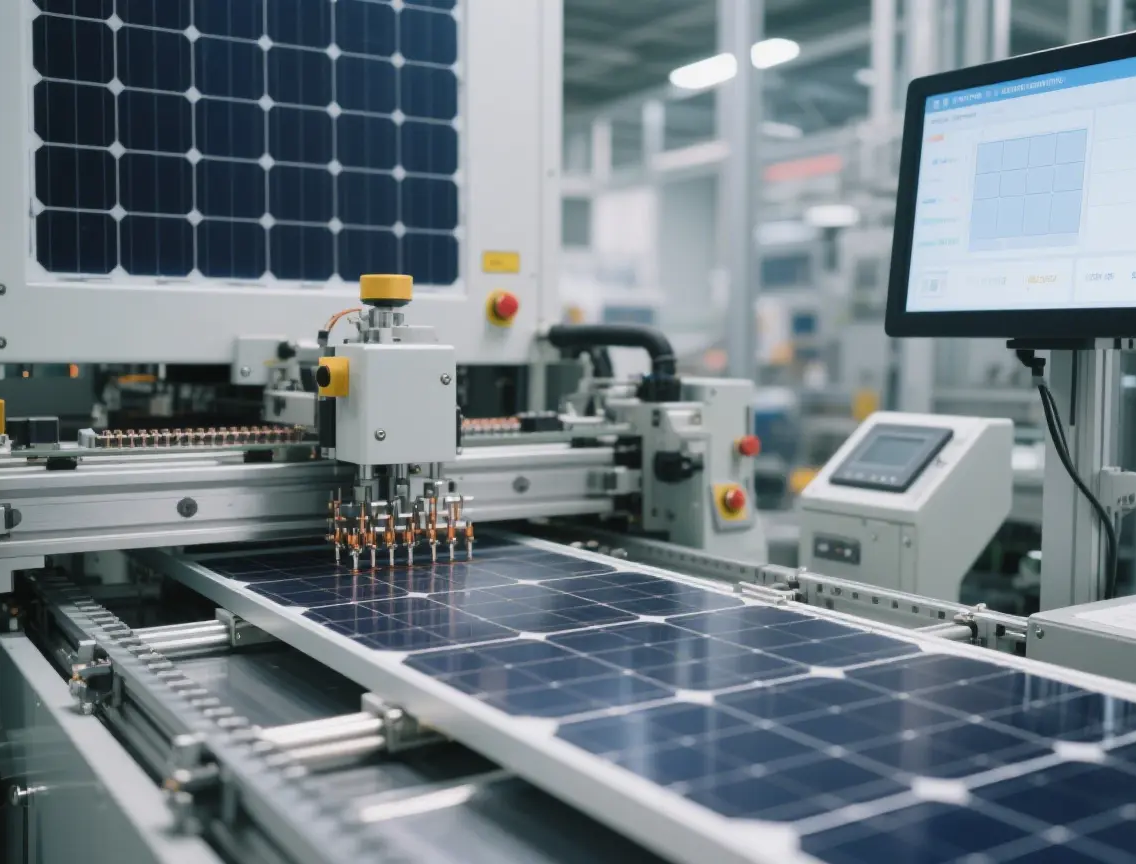
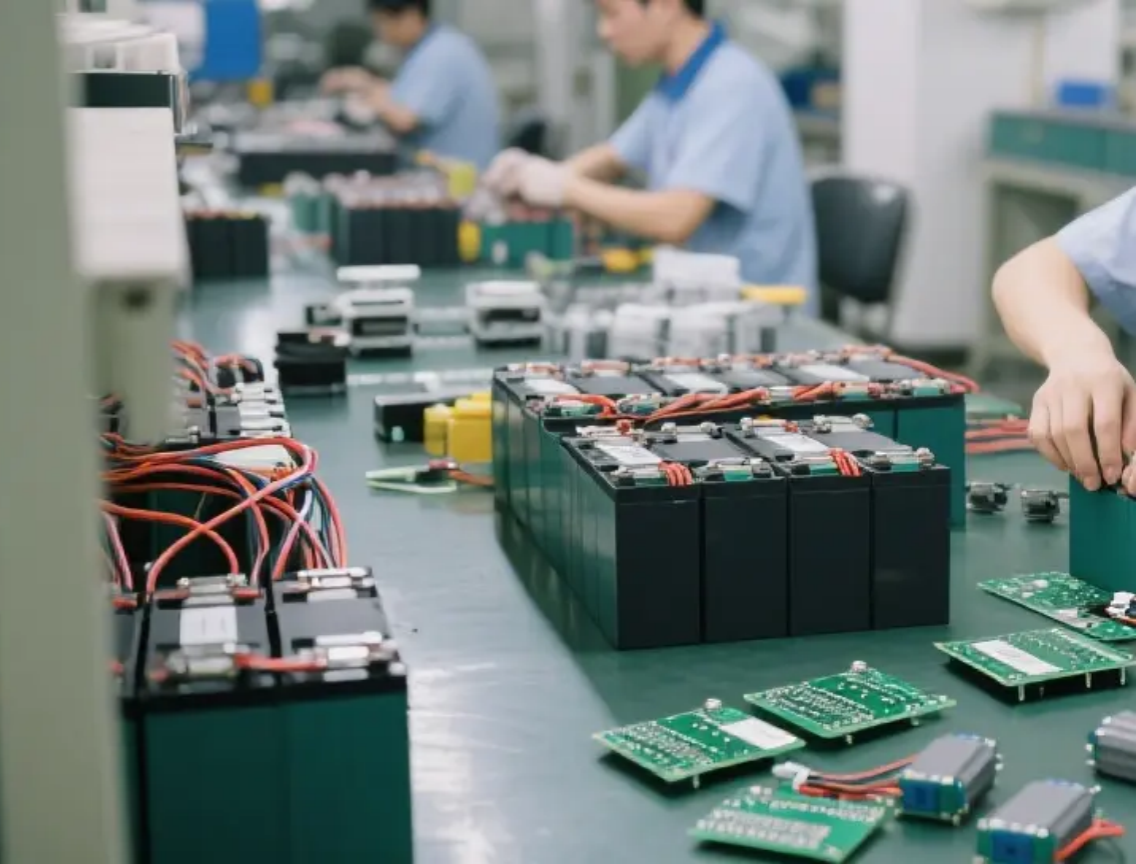
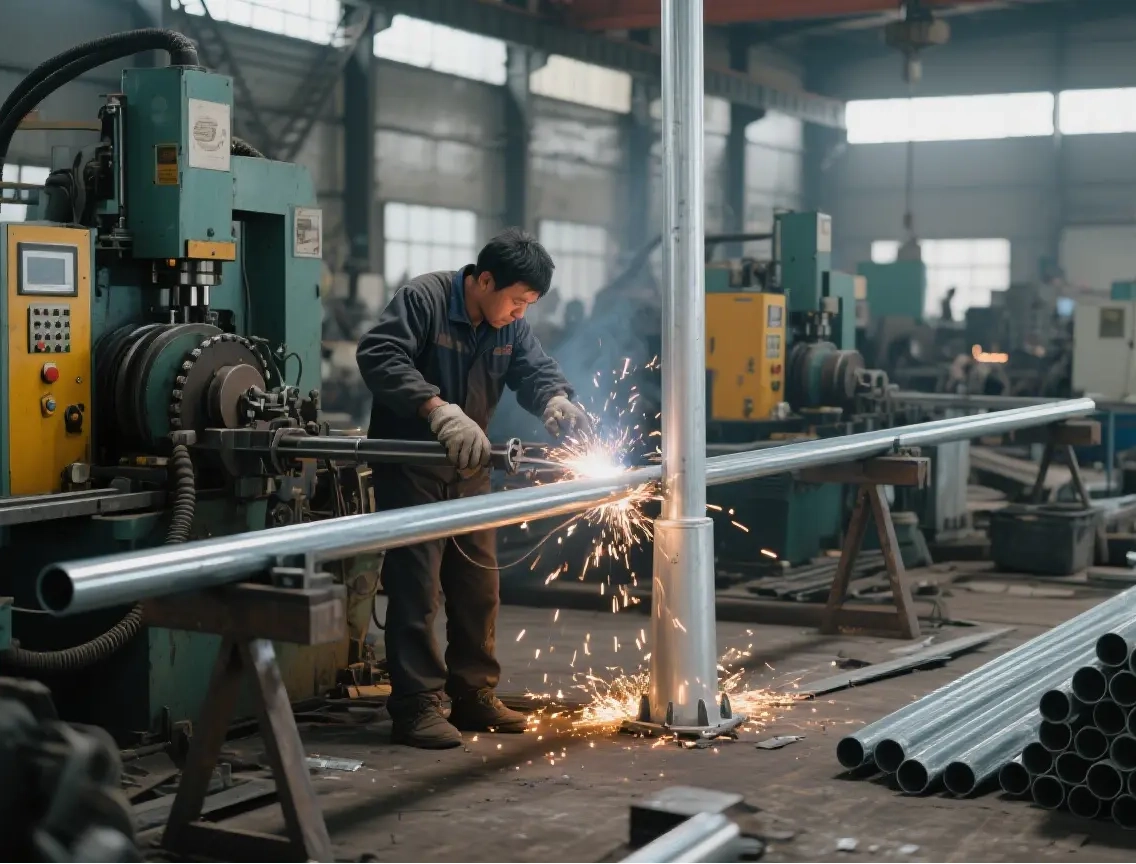
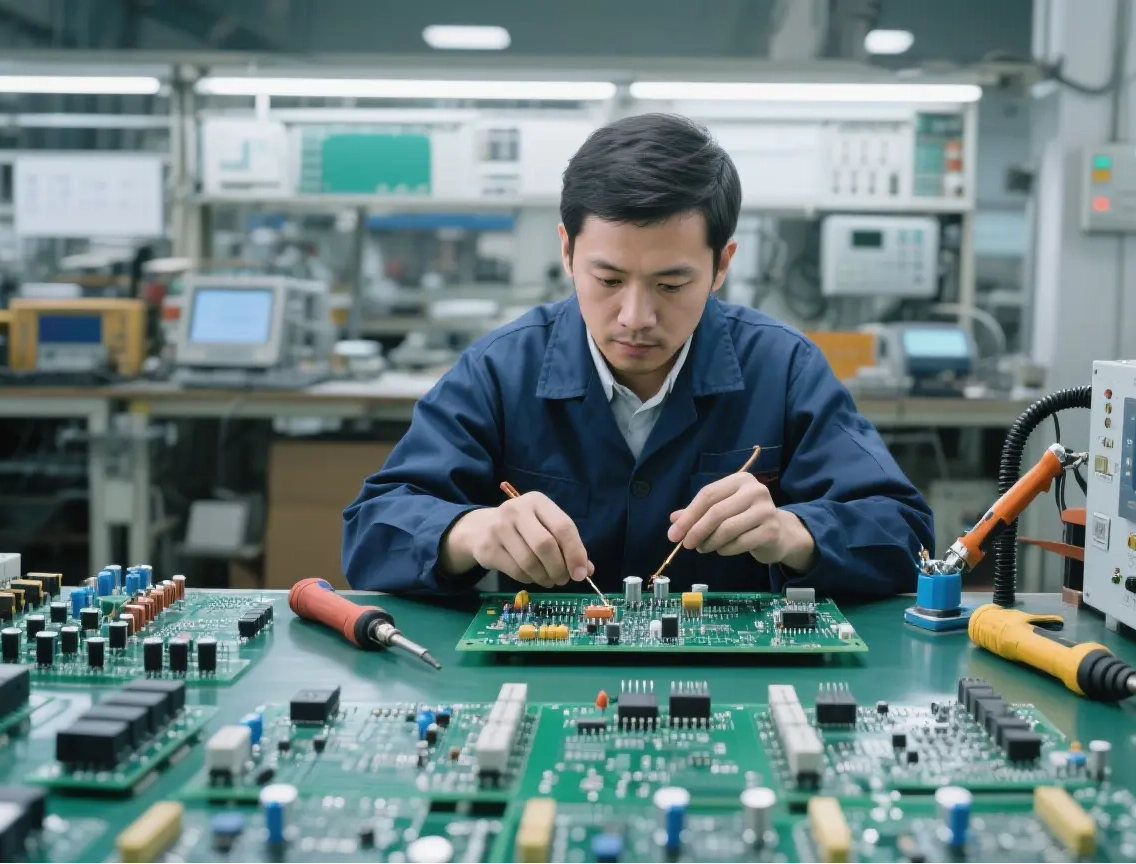
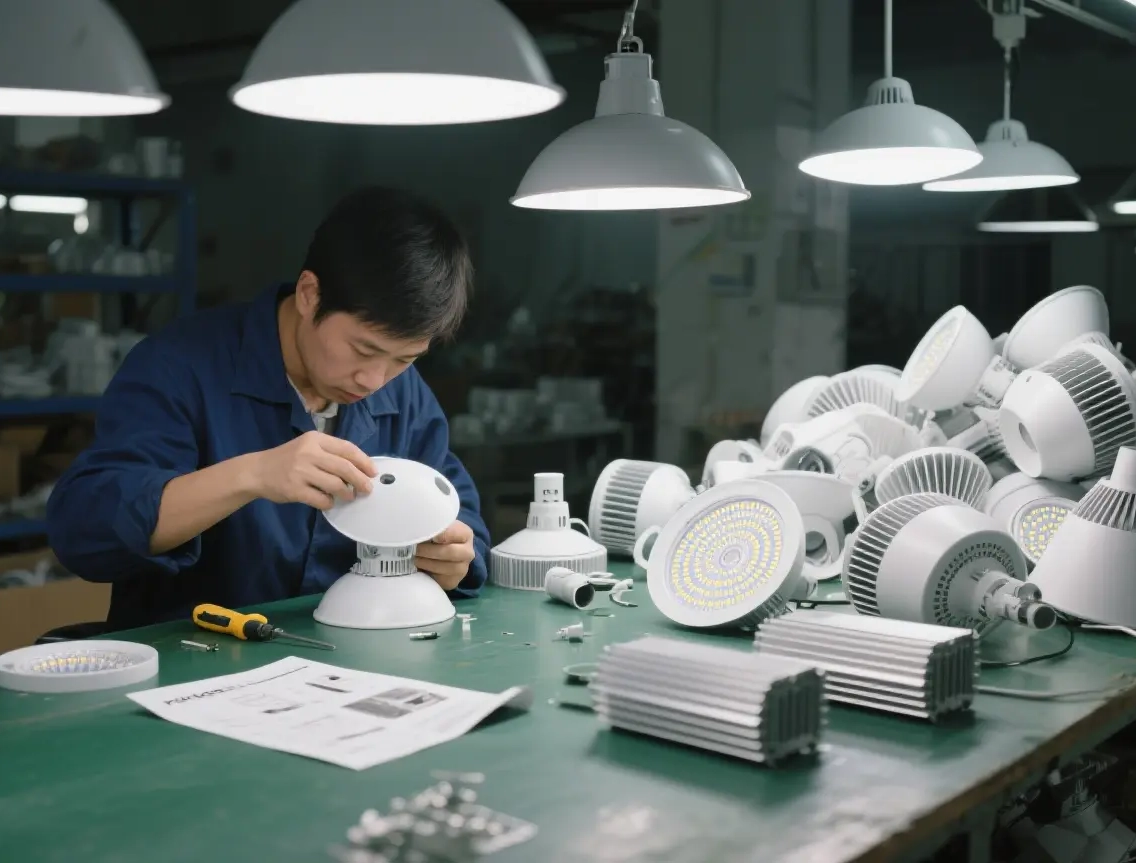
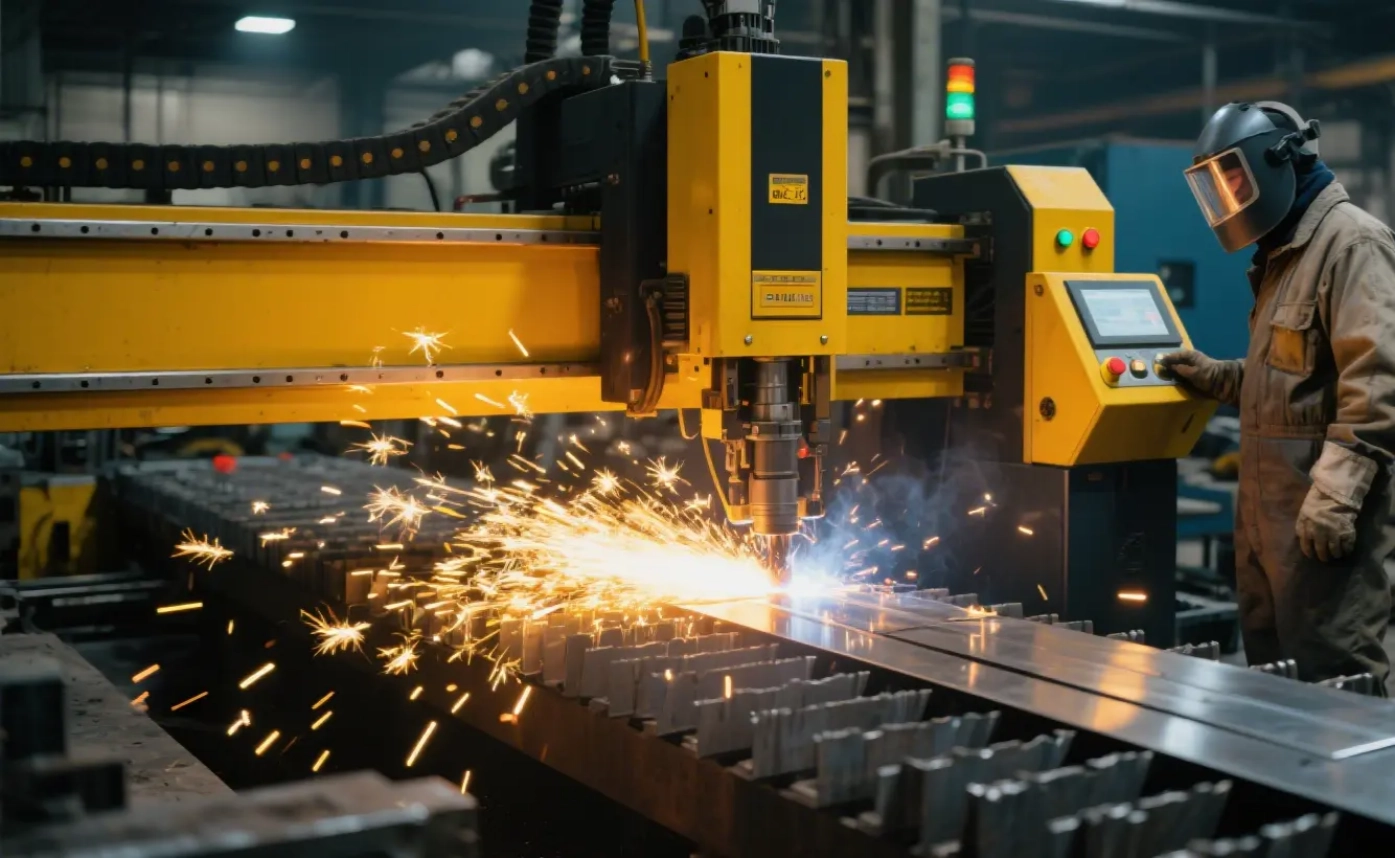
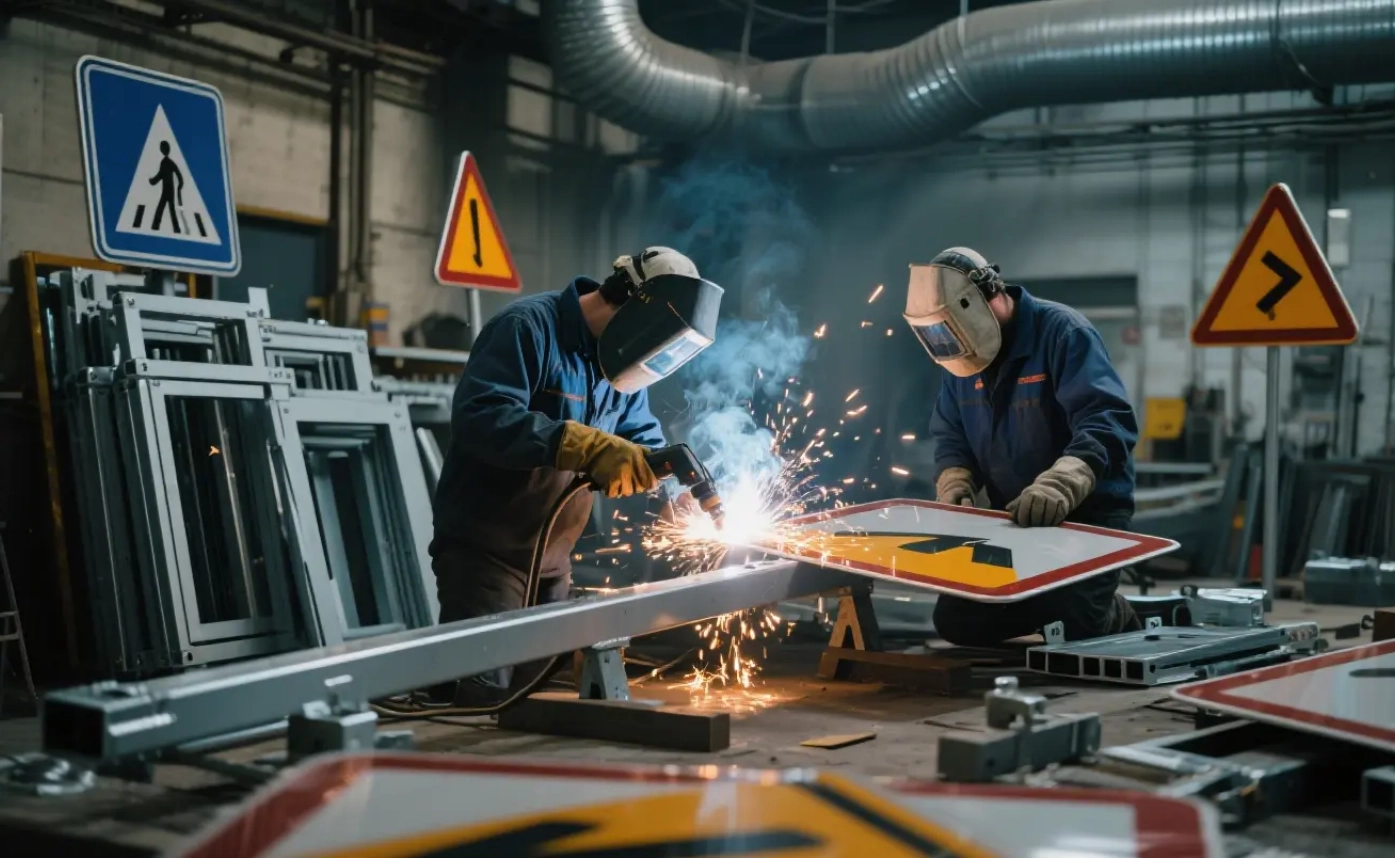
Our facility houses advanced production and testing lines, including automated LED encapsulation, high-precision CNC laser cutters, robotic welding lines, SMT assembly chambers, die-casting machinery, and automated powder coating systems. Optical profiles are verified inside our state-of-the-art photometric and goniophotometer laboratory. This integrated process enables us to control tolerances tightly, scale production, and offer customized modifications for the Moroccan market.
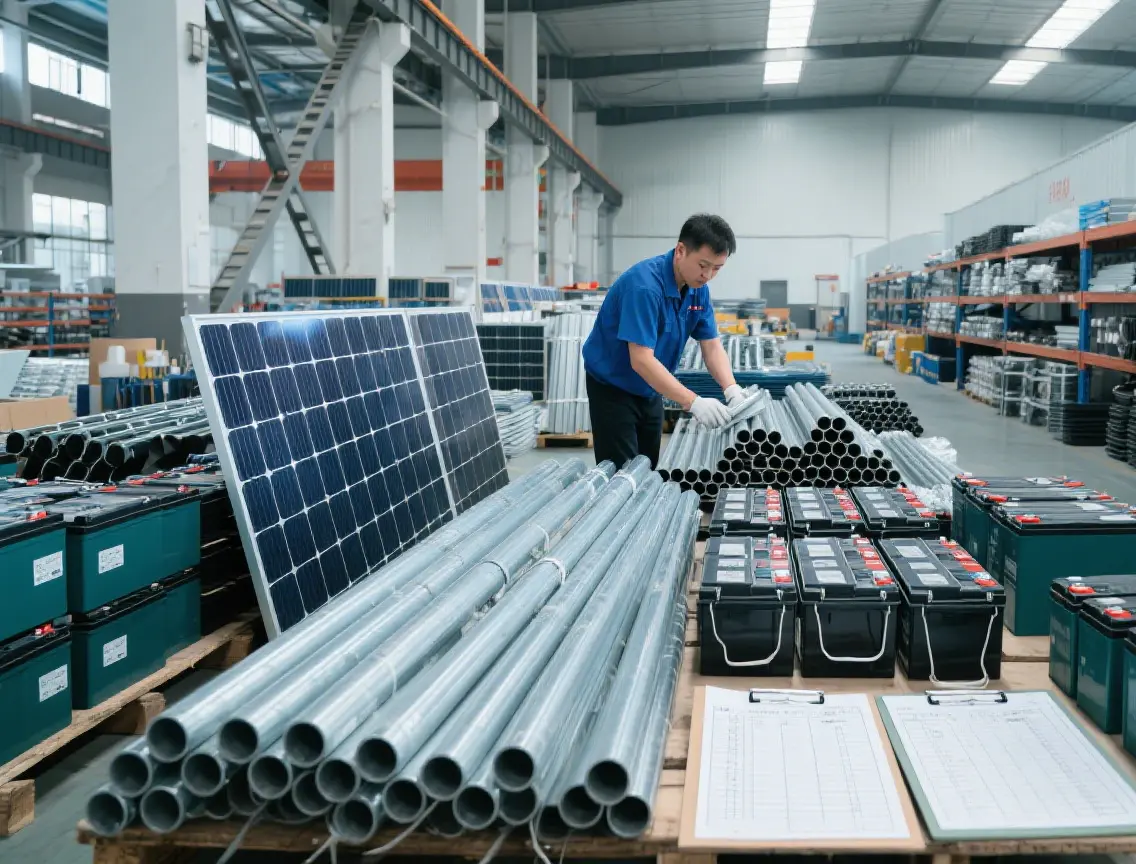
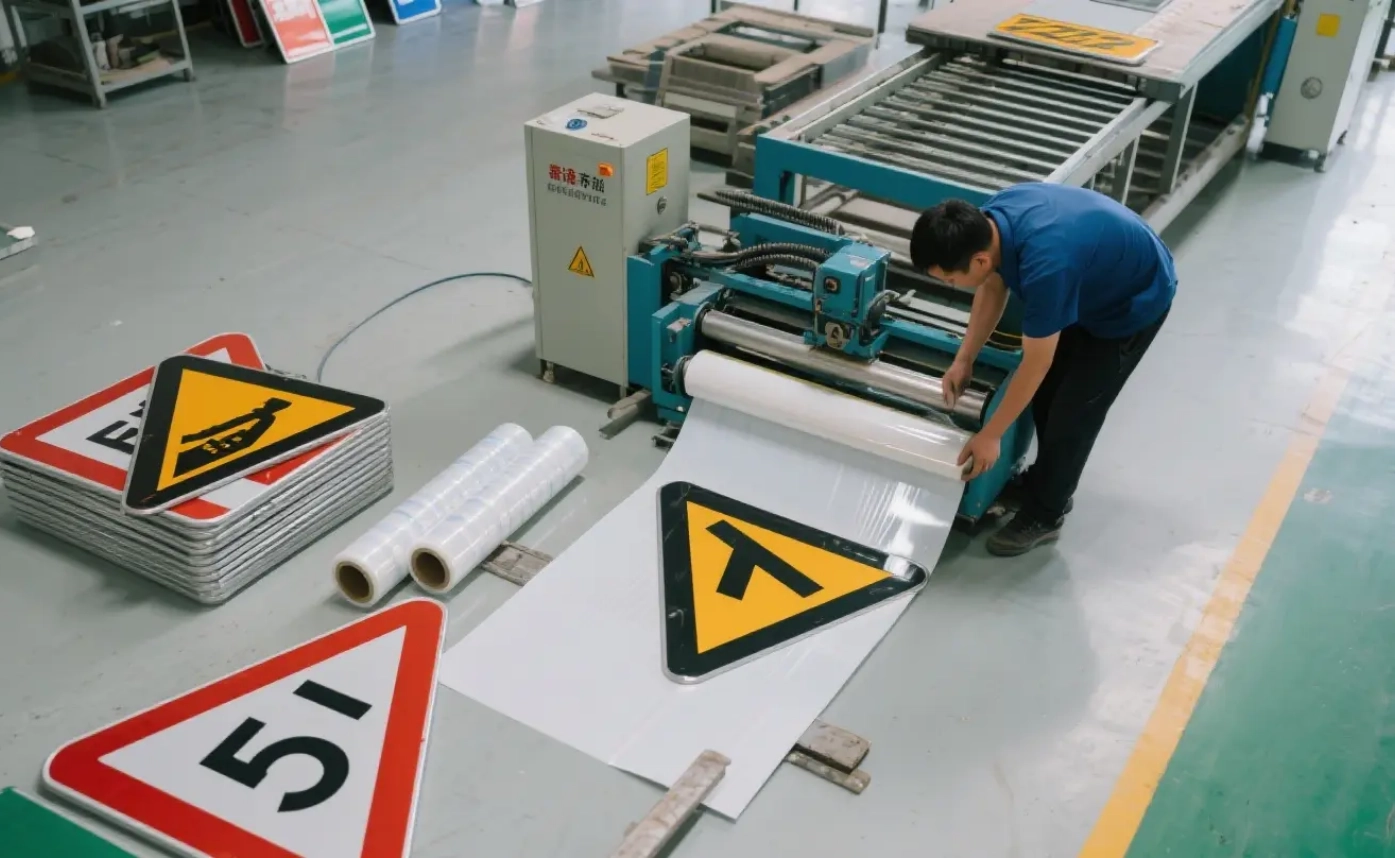
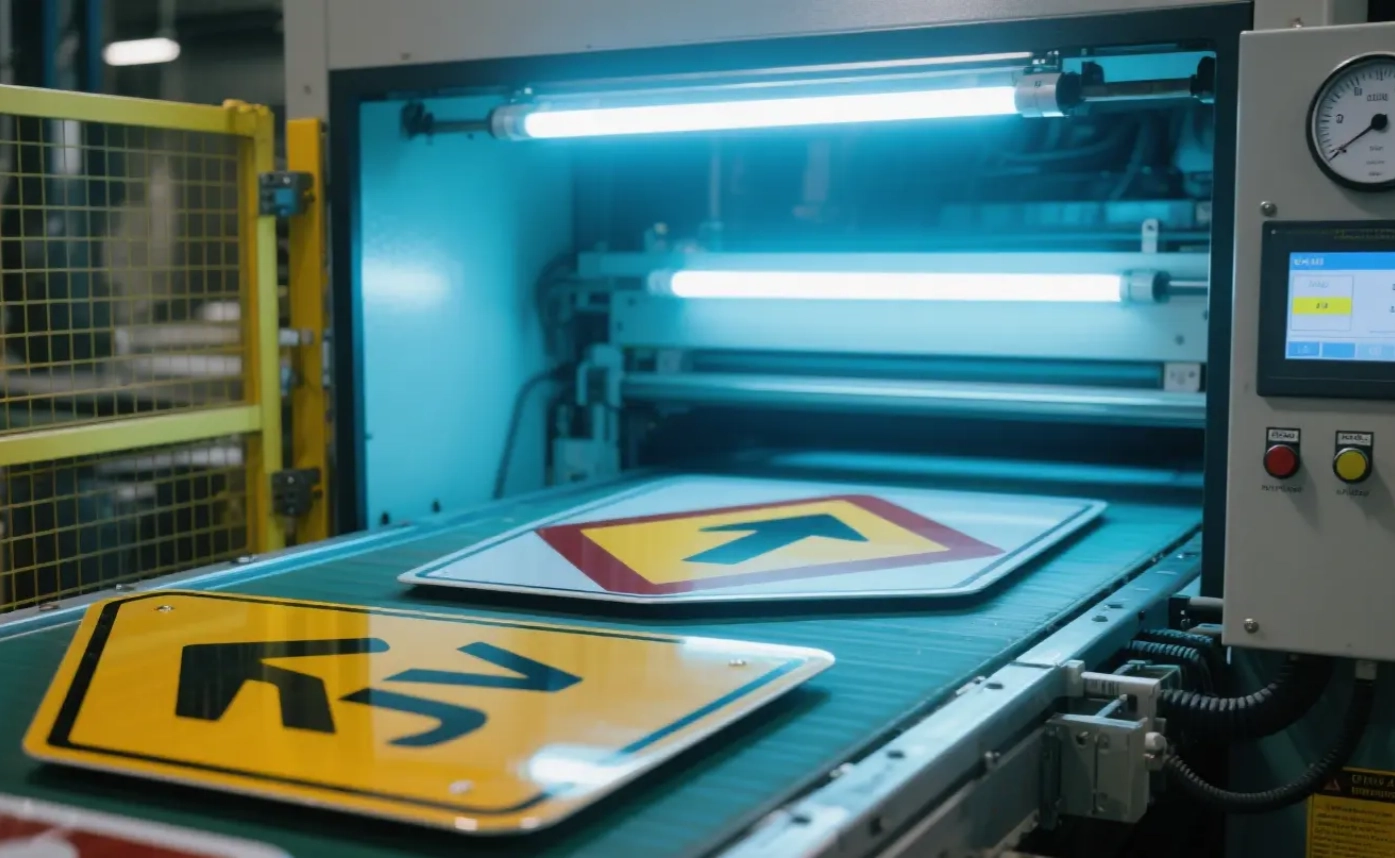
Every lighting system undergoes a comprehensive series of quality verification steps. Below is a detailed view of our automated and semi-automated production lines, ensuring raw materials are transformed into durable, high-efficacy luminaires:
Importing large-scale electrical and lighting equipment into Morocco requires strict adherence to national standardization protocols. Standard lighting solutions must satisfy the standards enforced by the Moroccan Institute for Standardization (IMANOR). The crucial regulatory mechanisms include:
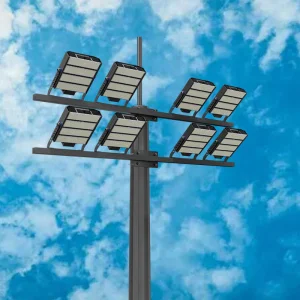
To support local contractors, we offer complete DIALux simulation files, customized high-mast pole engineering designs, and remote installation guidance to guarantee that the final illuminance levels align with regional municipal inspection parameters.
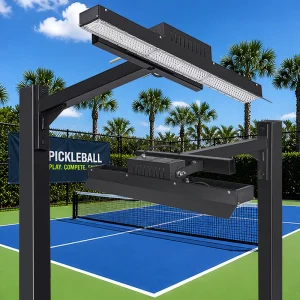
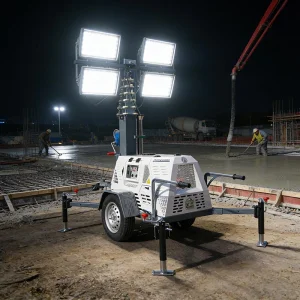
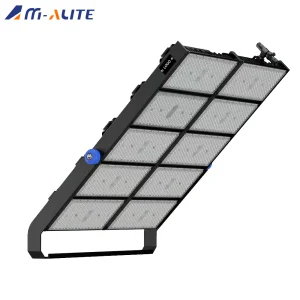
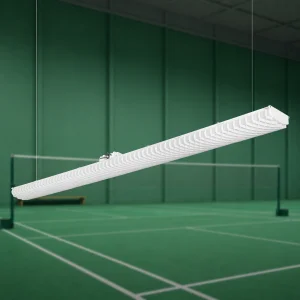
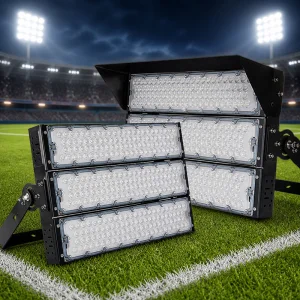
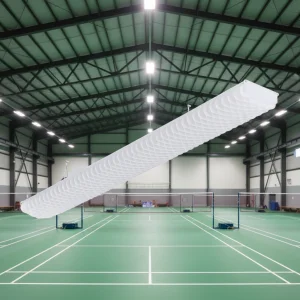
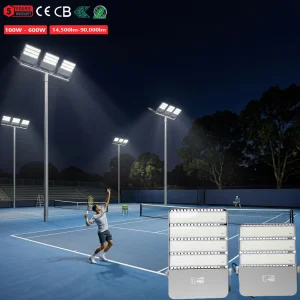
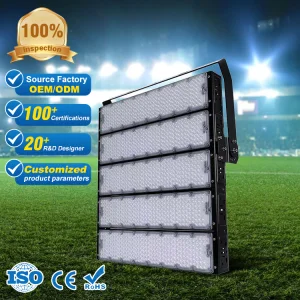
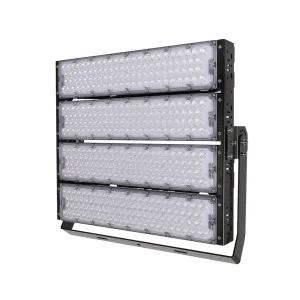
Select from our specialized line of anti-glare indoor, outdoor, high-power modular floodlights, and structural supports.
Essential insights for engineering firms, importing distributors, and municipal procurement agents.
All electrical goods entering Morocco must have the CMim safety marking. Lukas Lighting complies with this requirement by providing certified test reports (LVD, EMC) from international labs. We place the CMim logo on the product nameplates, drivers, and export cartons, facilitating smooth clearance with the Ministry of Industry, Trade, Green and Digital Economy.
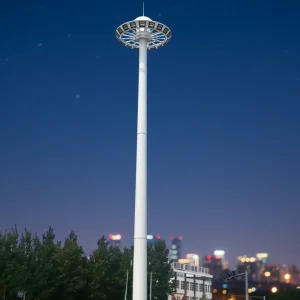
Coastal cities like Casablanca, Tangier, and Essaouira experience high wind gusts. We recommend hot-dip galvanized octagonal or conical high mast poles calculated to survive wind speeds of 150 km/h. Lukas Lighting provides custom structural calculations and FEA wind-resistance simulations based on your location's coordinates.
Our outdoor luminaires feature die-cast ADC12 aluminum housings finished with a multi-layer epoxy powder coating. All fasteners are made of 316 marine-grade stainless steel. This meets the C5-M high-corrosion classification (ISO 12944), making them ideal for coastal environments.
Yes. We offer free DIALux simulations to help partners secure local tenders. Provide us with the field measurements, pole locations, and target lux requirements (e.g., 200 lux for amateur play, 500 lux for regional competitions, or 1000+ lux for broadcast stadiums), and our engineers will supply the complete optical layout.
Standard manufacturing runs take 20 to 30 days depending on the customization required. Sea shipping from Shanghai or Ningbo ports to Tanger Med typically ranges from 28 to 35 days. We also offer express air shipping for urgent parts or prototype approvals.
Yes. We equip our sports lighting fixtures with premium industrial drivers (e.g., Inventronics, Meanwell, Sosen) that handle wide input voltages (90-305VAC). They feature built-in 10kV/20kV surge protection devices (SPD) to protect the electronics against spikes and grid instability.
We offer a 5-year replacement warranty. If a component fails under normal operation, we ship replacement parts (such as drivers or LED modules) via express air transport at our expense. Our modular fixture designs allow for easy, tool-free field replacements.
Yes, we specialize in off-grid and hybrid solar lighting systems. We combine high-efficacy LEDs (up to 190lm/W) with monocrystalline solar panels and LiFePO4 battery storage, making them suitable for rural sports initiatives under the INDH program.
 Lukas Lighting