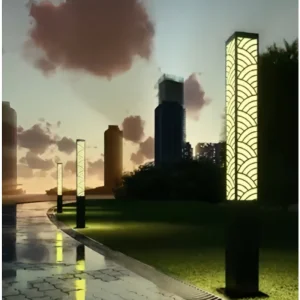
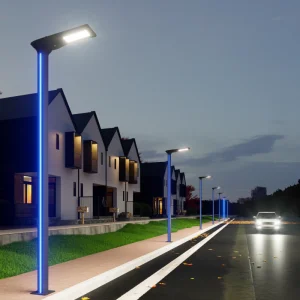
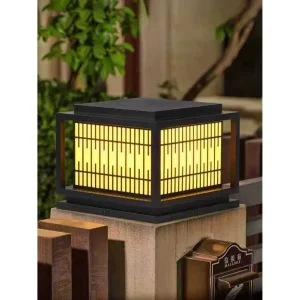
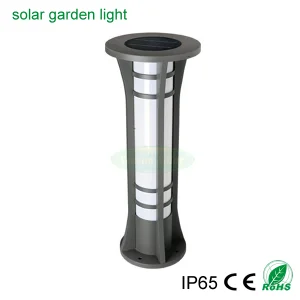
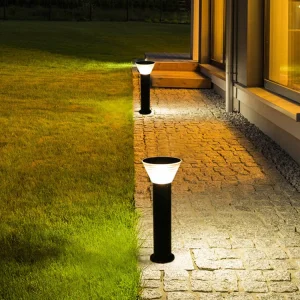
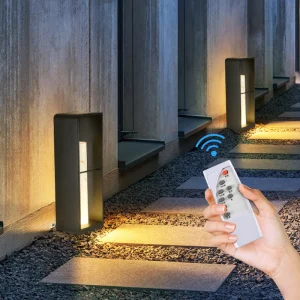
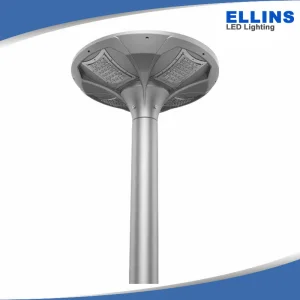
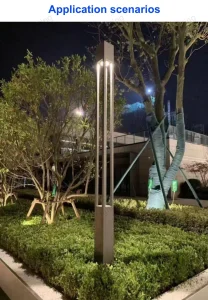
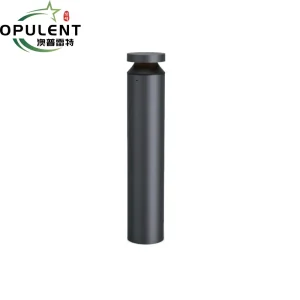
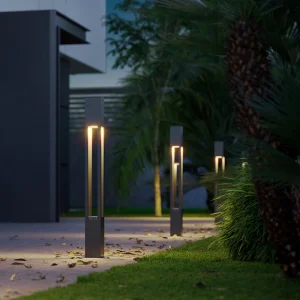
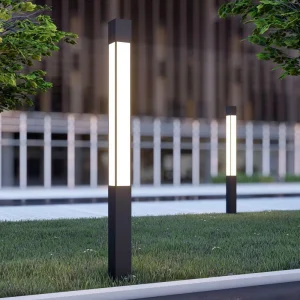
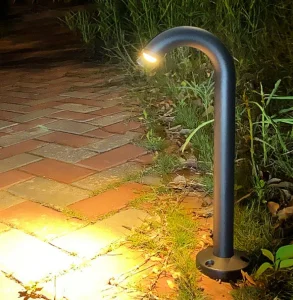
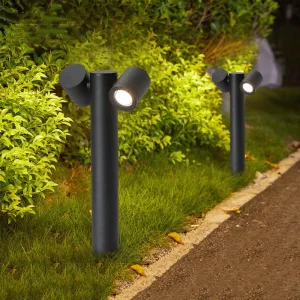
Premium grade, IP65+ outdoor LED bollards customized for commercial projects, corporate campuses, and municipal pathways across Sydney, Melbourne, and Brisbane.
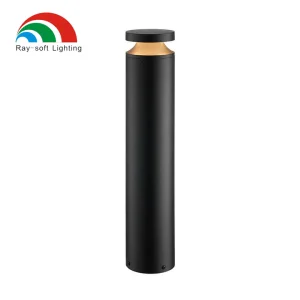
Australia presents one of the most demanding environmental profiles for architectural and infrastructure outdoor lighting. From sub-tropical salinity in Coastal Queensland to scorching UV rays in Western Australian mining communities, local municipal specifications demand physical and optical longevity far surpassing global baselines.
All pedestrian-level outdoor lighting deployed in public domains, suburban pathways, and commercial facilities must conform strictly to the AS/NZS 1158.3.1 (Category P) standard. This mandate determines minimum horizontal and vertical illuminance levels to ensure pedestrian safety, visibility, and crime deterrence. Lukas Lighting's engineered LED bollards integrate premium optical modules to guarantee uniform light distribution, reducing glare while maintaining maximum luminaire spacing configurations to lower overall project layout costs.
Over 80% of Australia's population resides within 50 kilometers of the coastline. Coastal projects demand outdoor lighting fixtures that can withstand high salinity, moisture, and abrasive sand. Standard powder coatings will bubble and fail within 18 months in these areas. Our structural bollards are constructed with 6063 marine-grade anodized aluminum and treated with a specialized multi-stage architectural powder coating, passing the 1000-hour ASTM B117 salt spray testing to achieve C5-M high corrosion resistance ratings.
In accordance with the Australian Government's National Light Pollution Guidelines for Wildlife, modern councils from Victoria to the Northern Territory are enforcing Dark Sky friendly parameters. This includes a strict limit on upward light spill (ULR = 0%) and the deployment of warm-temperature LED chips (3000K or below, or specialized amber wavelengths) near coastal turtle nesting sites and bird sanctuaries. Lukas Lighting provides customized shield systems and precision lens distributions to direct lumens precisely where needed, avoiding ecological disruption.
Jiangsu Lukas Lighting Co., Ltd. was established in 1998 with a strong commitment to innovation, quality, and sustainability in the outdoor lighting industry. Over more than two decades of development, the company has grown into a professional manufacturer specializing in intelligent and energy-efficient street lighting solutions.
With continuous investment in research and development, Lukas Lighting has expanded its product portfolio to include LED street lights, solar street lights, smart lighting systems, landscape lighting, and customized municipal lighting solutions. Our products are widely used in urban roads, highways, industrial parks, residential communities, and public infrastructure projects across global markets.
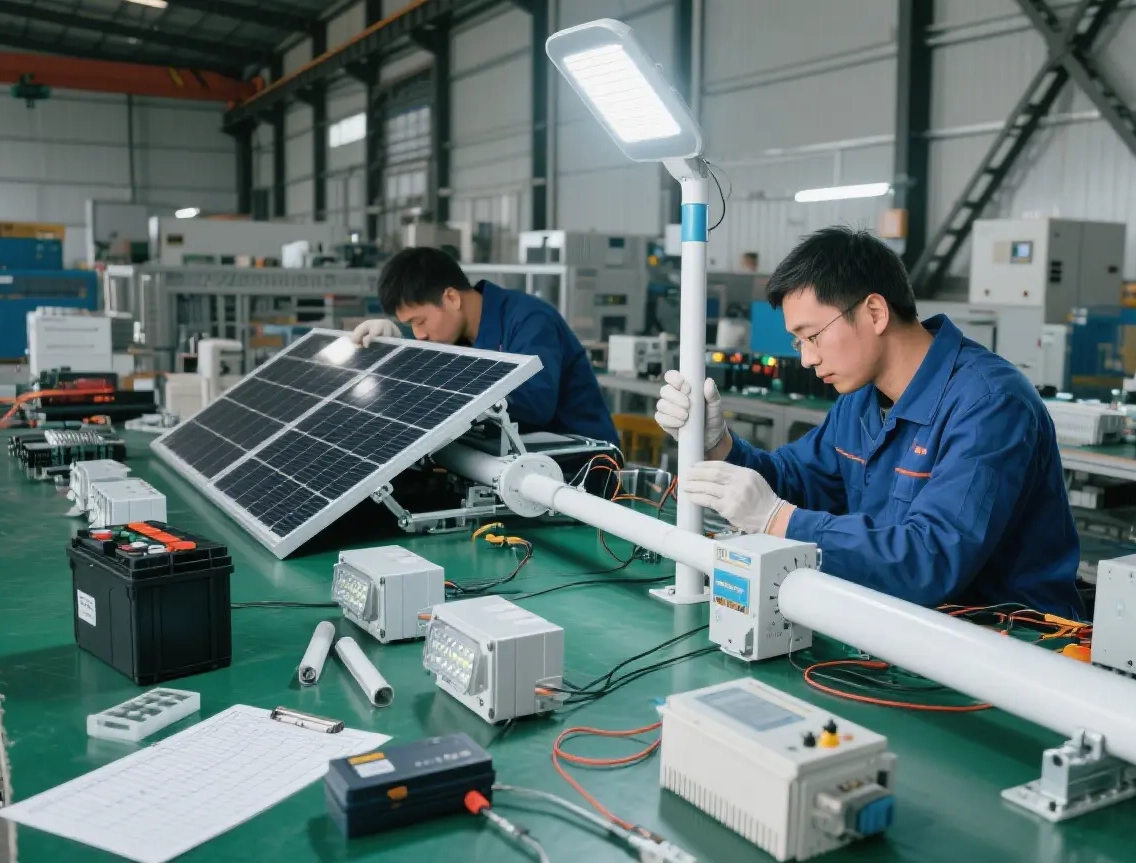
Located in Jiangsu, China, our modern production base covers an area of approximately 11,000 square meters. The facility is equipped with advanced manufacturing technologies and operated by a team of experienced engineers and skilled technicians. This ensures strict quality control, precision manufacturing, and efficient large-scale production capabilities.
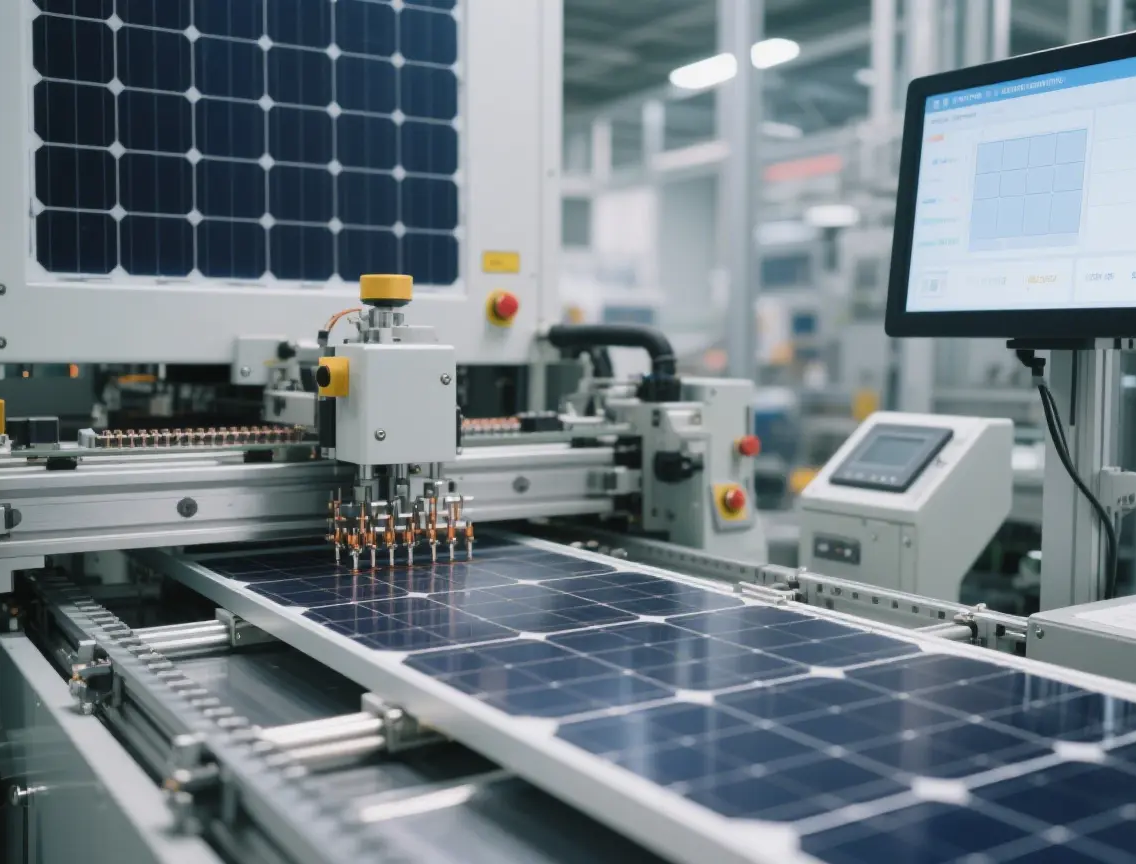
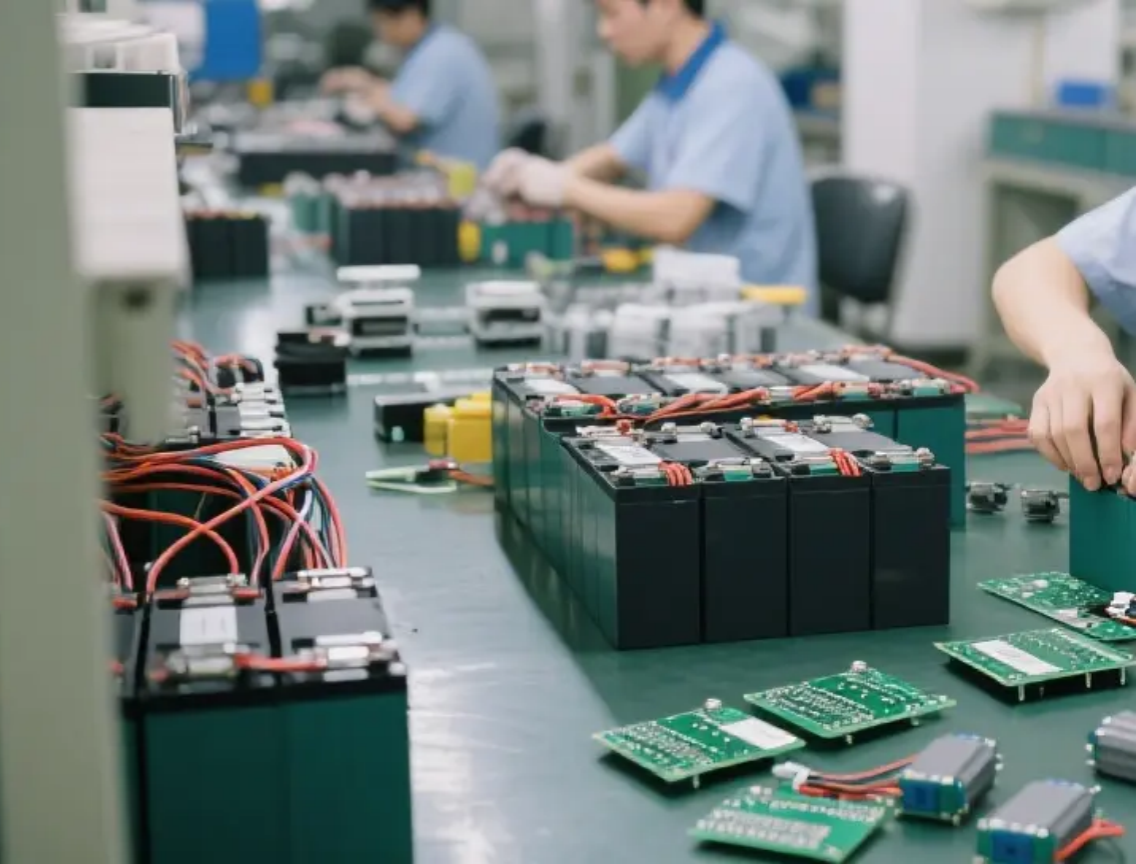
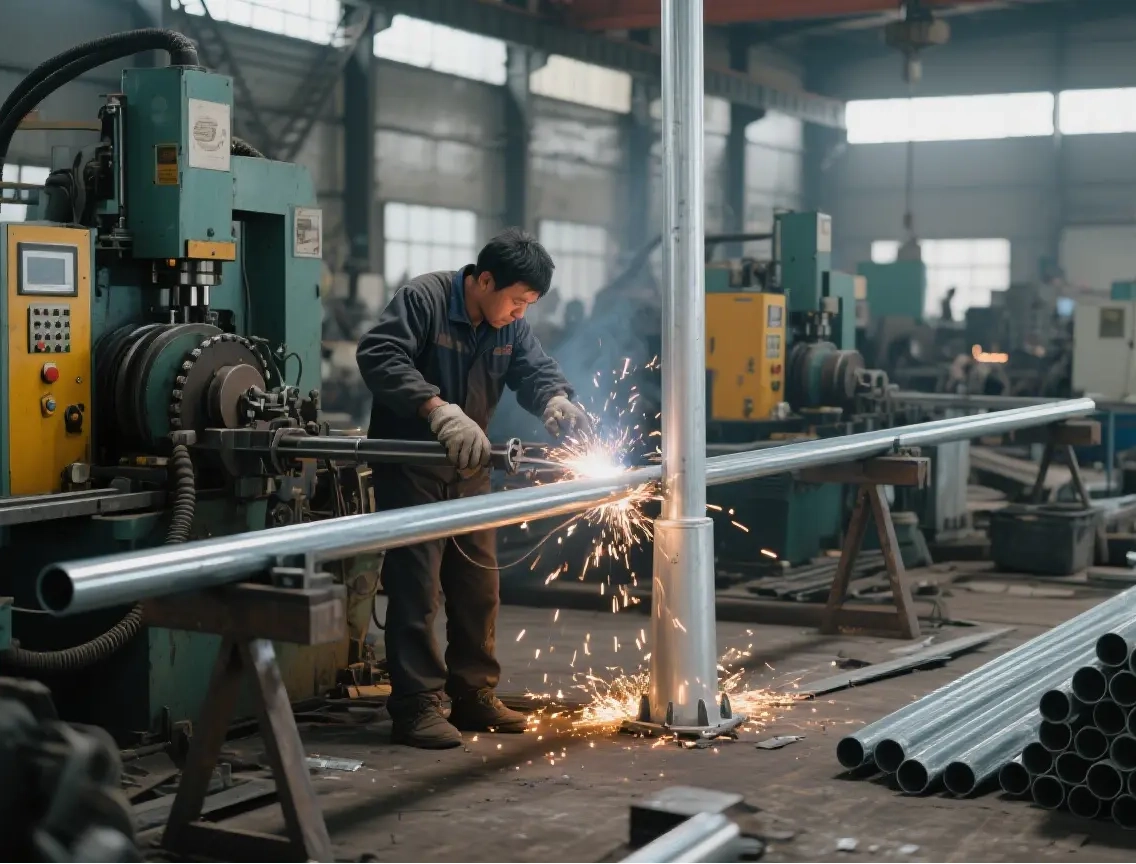
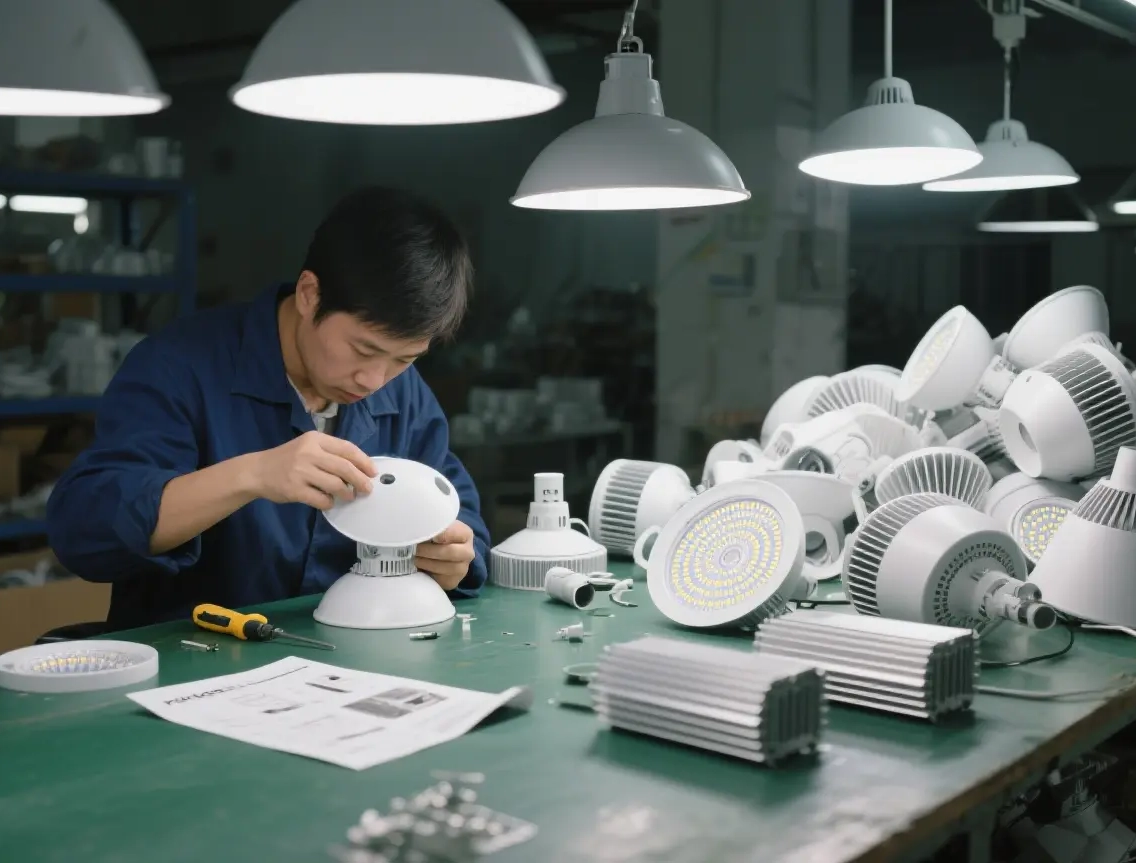
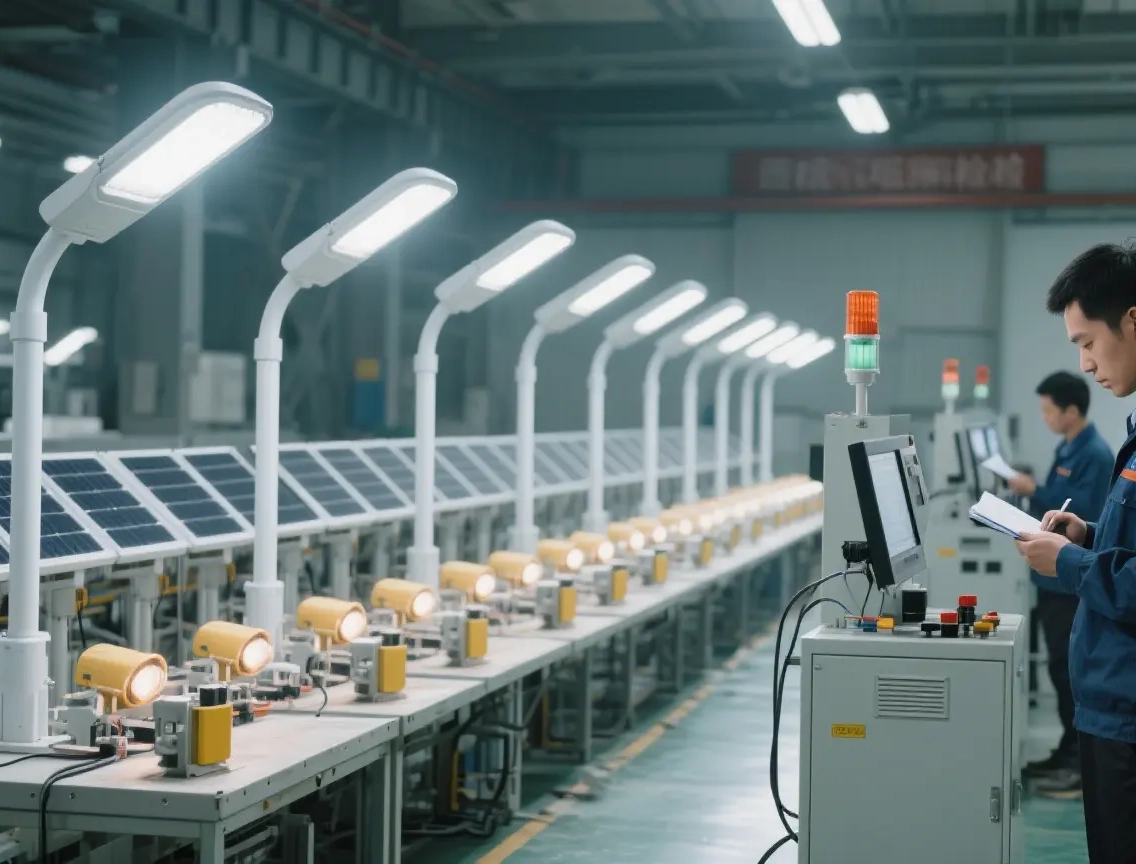
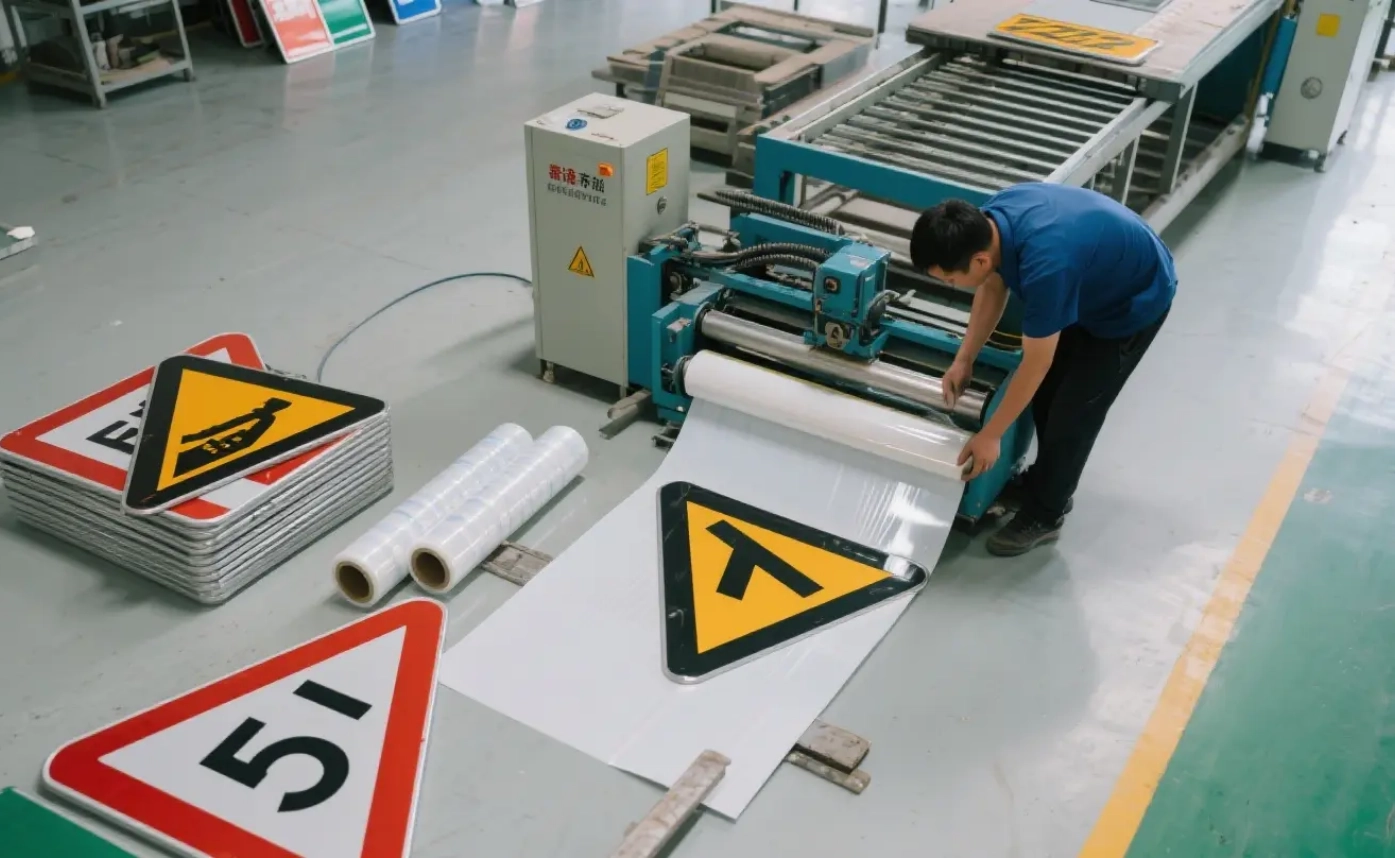
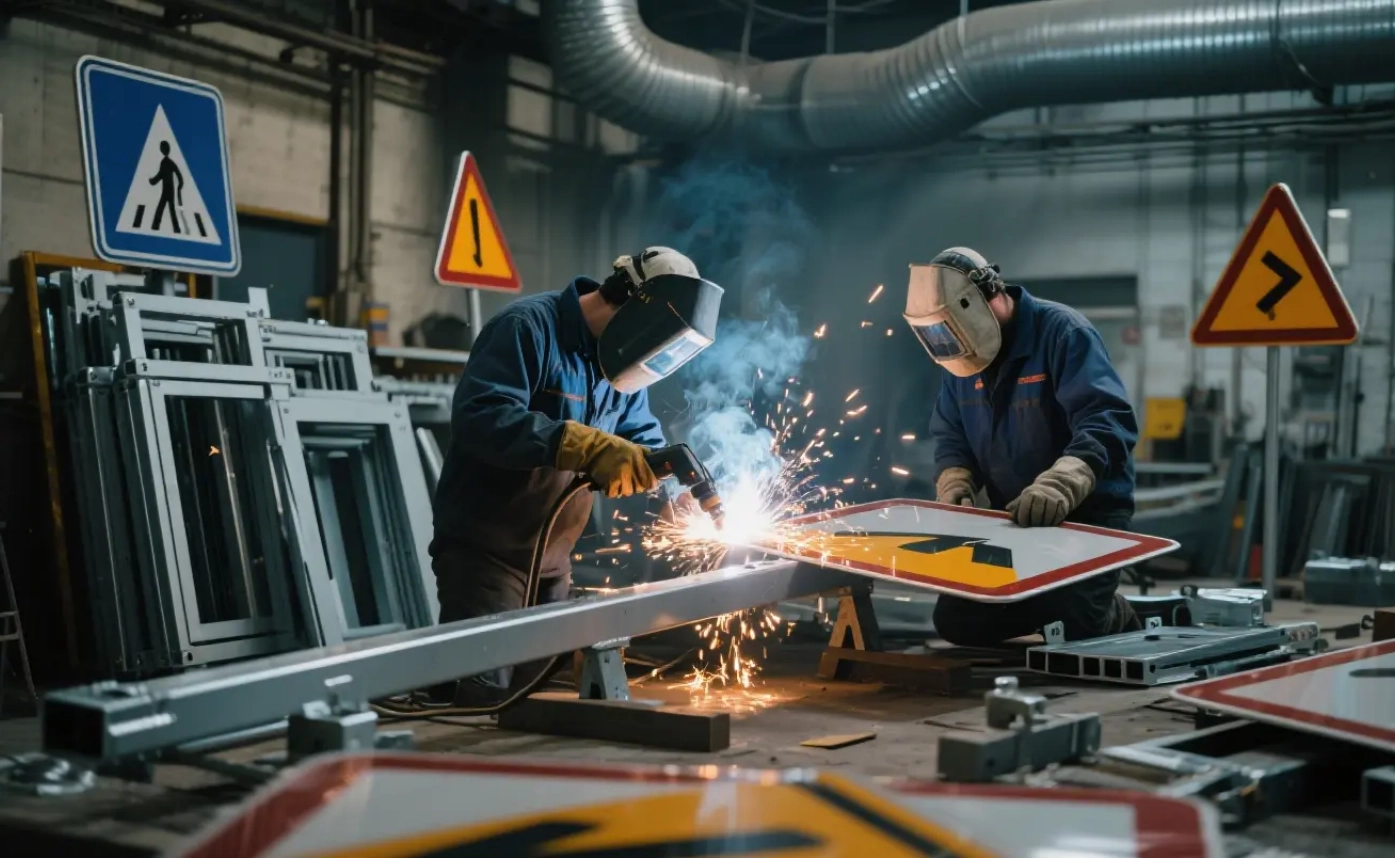
To deliver zero-defect lighting structures to Australian mining sites, transport terminals, and high-end residential estates, Lukas Lighting relies on an array of automated production machinery that guarantees mechanical consistency and structural reliability.
These modern facilities enable us to maintain high production efficiency while ensuring stable and reliable product performance. Every product undergoes strict quality inspection procedures, from raw material selection to final assembly and lighting performance testing.
Providing technical precision, scale, and customizable design paths to meet rigid commercial project specifications.
With efficient production lines and advanced automation, we are capable of handling both large-volume orders and complex customized projects with precision and speed.
We have established a comprehensive quality control system and have passed ISO9001 international certification. In addition, we have obtained multiple patents in lighting structure design and optical technology.
We provide fully integrated services including product design, mold development, prototype testing, mass production, and logistics support—eliminating intermediate links and ensuring faster delivery and better cost efficiency.
We continuously invest in energy-saving LED technologies and smart lighting control systems to support global carbon reduction goals and smart city development.
Transparent production workflows, detailing every step from structural extrusion to photometric analysis and packaging.
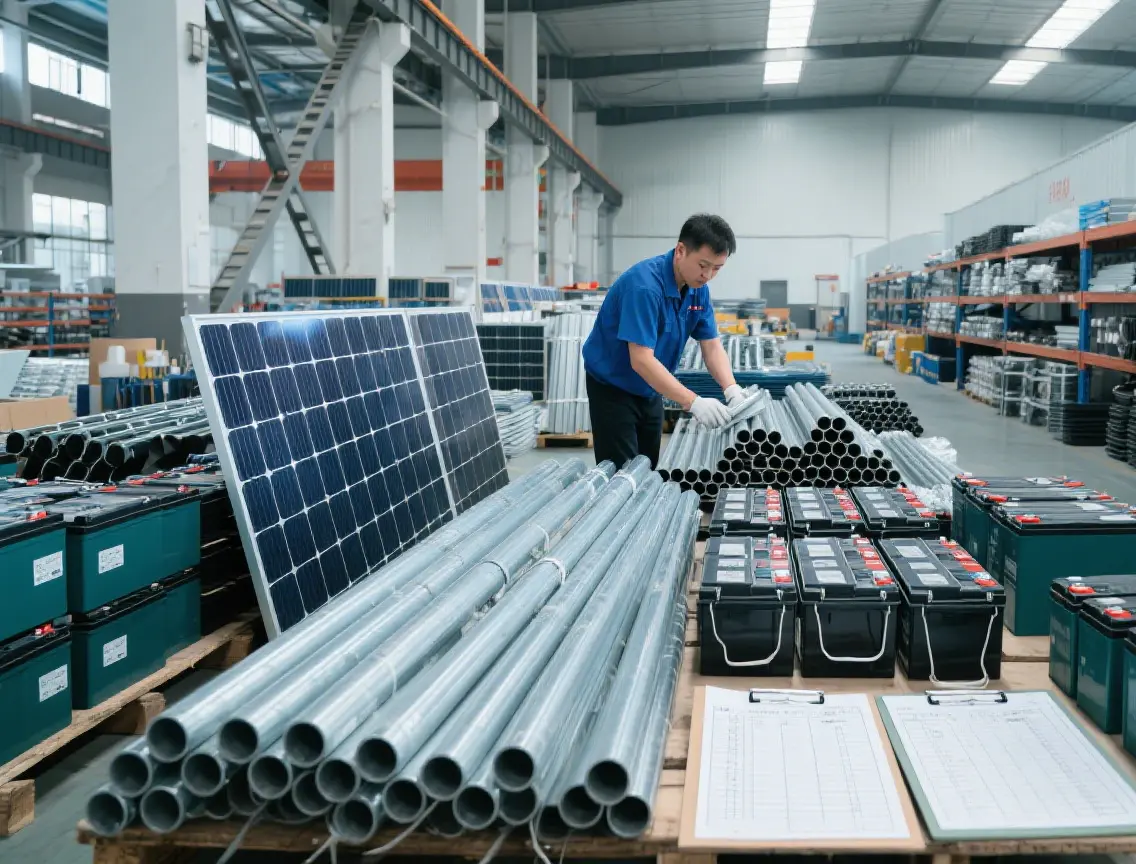



The outdoor lighting industry is shifting from passive illumination to smart infrastructure nodes. The design of outdoor bollards is undergoing rapid technological iterations, focusing on carbon reduction, smart controls, and high-performance material science.
Modern commercial developments and municipal pathways increasingly require outdoor bollard lights to connect to centralized Building Management Systems (BMS) or Smart City networks. Using advanced drivers compatible with DALI-2 protocols or integrated LoRaWAN controllers, cities can remotely dim lighting levels to 30% during periods of low activity, reducing energy costs while maintaining standard illumination levels whenever motion sensors detect pedestrian activity.
In hot regions like Western Australia or Queensland, standard lithium-ion batteries risk thermal runaway. To ensure reliability, solar LED bollard lights must utilize Lithium Iron Phosphate (LiFePO4) batteries. These systems operate reliably at high ambient temperatures (up to 60°C) and provide more than 3,000 charge-discharge cycles, ensuring a service life of over 8 years, even with daily depth of discharge (DoD) cycles.
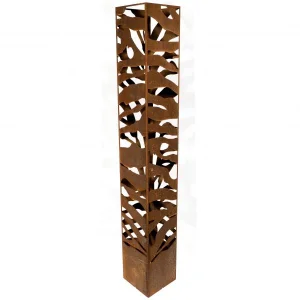
Landscape designers are shifting away from traditional dark grey powder coatings toward organic, tactile finishes. Corten steel bollards develop a stable, self-protecting rust patina when exposed to weather, offering a natural appearance that blends into parklands, historical conservation zones, and eco-resorts. This eliminates the risk of coating degradation caused by ground-level impacts from lawnmowers or foot traffic.
Engineered to utilize Australia's high solar yield, these solutions provide dependable off-grid illumination for public boardwalks, shared pathways, and regional cycle networks.
A complete selection of low-glare, impact-resistant outdoor bollards designed for parks, residential precincts, and public spaces.
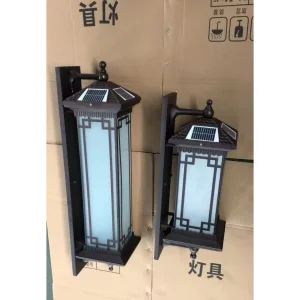
Key technical considerations for electrical contractors, municipal engineers, and landscape architects sourcing LED bollards.
Contact our technical engineering team for bulk pricing, customized architectural CAD drawings, and certified compliance documentation.
 Lukas Lighting