Advanced thermal-engineered, high-CRI fixtures optimized for urban centers, public parks, and hotel developments in Japan.
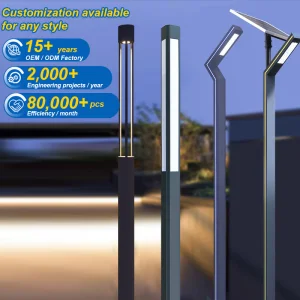
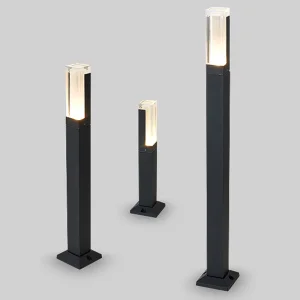
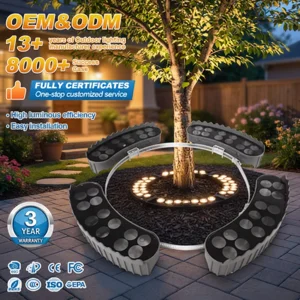
The landscape lighting industry in Japan is defined by a deep convergence of technological minimalism, absolute environmental compliance, and high cultural sensitivity. Whether designing for historic Zen gardens in Kyoto, commercial precincts in Ginza, or structural nodes in Yokohama, engineering constraints must address specific territorial challenges.
How international standards and technical evolutions shape the solutions we bring to Japanese commercial developers.
Modern installations are moving away from simple timers. The combination of DALI-2, DMX512, and wireless LoRaWAN communication allows fixtures to adjust color temperatures dynamically, matching circadian rhythms or dimming during off-peak hours to reduce energy consumption by up to 40%.
Global policies prioritize remanufacturability. Our raw materials utilize high-grade, marine-grade aluminum and lead-free solid brass. These elements are designed to be easily disassembled for optical upgrades or structural recycling, conforming to carbon reduction mandates.
Focusing on glare control (UGR < 10) ensures that landscape lighting highlights structural pathways and natural textures without causing optical fatigue. Using micro-prismatic diffusers and deep recessed LED positioning ensures high comfort levels for public spaces.
Customizing illumination characteristics to fit the unique architectural and natural canvas of Japan.
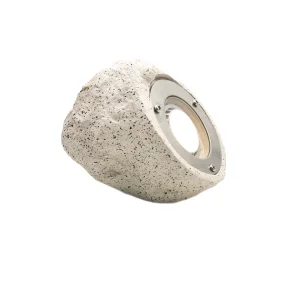
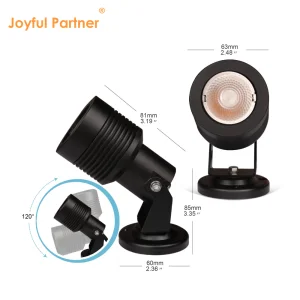
Traditional environments require invisible hardware and soft, warm chromatic balances (2200K - 2700K) to highlight stones, moss, and water paths without modern glare. Micro-spots like our Kamakura MR16 Fiberglass Spot Light fit seamlessly into natural earth elements, while low-voltage cabling respects sensitive tree roots.
For historic environments, we recommend keeping fixtures hidden. Fiber-glass or rock-shaped casings blend with traditional stone walls, while a color rendering index (CRI) of >90 ensures moss greens and bark reds remain vibrant under artificial illumination.
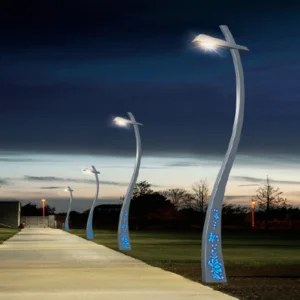
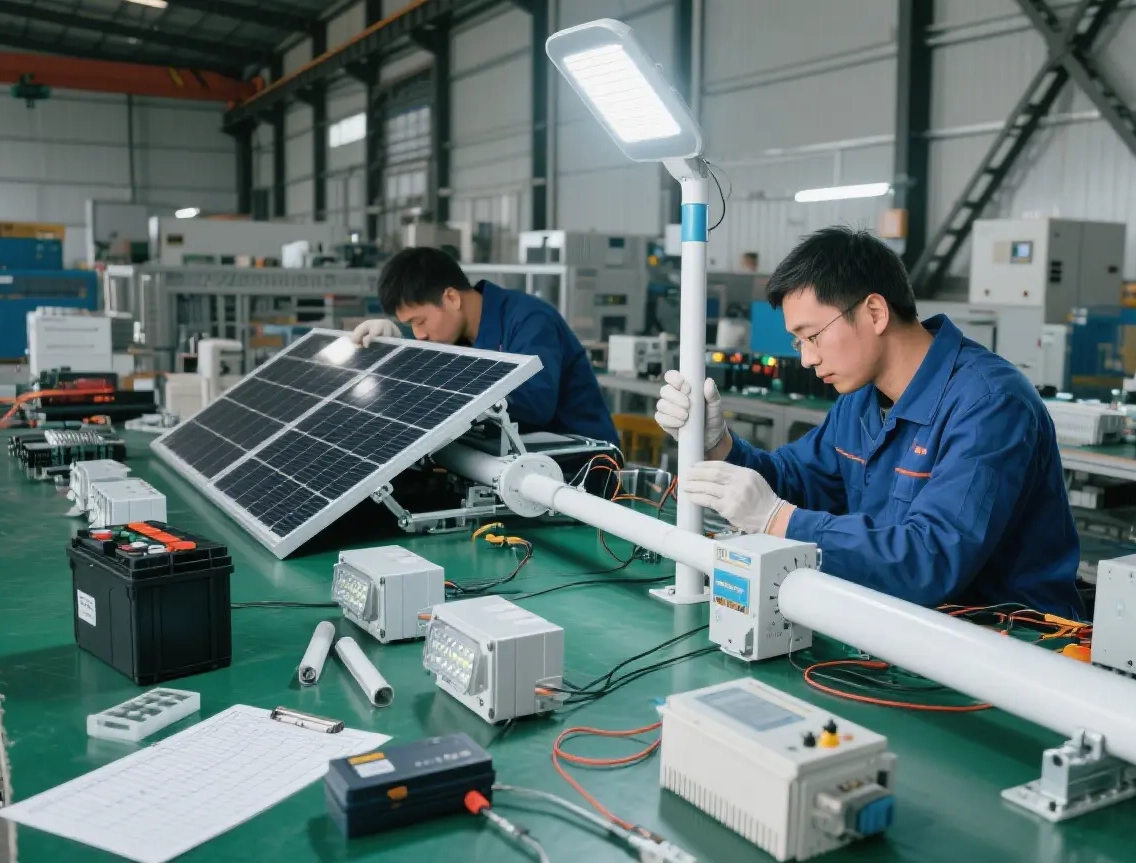
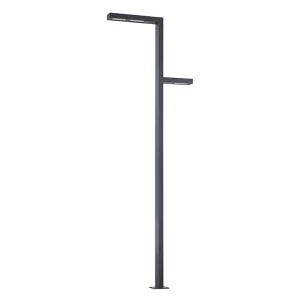
In Tokyo, Osaka, and Fukuoka, municipal corridors require high-impact lighting systems that combine structural support with IoT compatibility. The Tokyo Urban Led Pole Light integrates solar power storage and high-efficacy LED modules, maintaining public safety while supporting the local smart-grid initiatives.
Integration with municipal platforms using 1-10V dimming and 5-pin NEMA sockets ensures that real-time urban management plans can adjust local light levels based on weather patterns and traffic volume.
Our commitment to rigorous testing standards and optical engineering ensures reliable long-term performance.
We source corrosion-resistant 6063-T5 aluminum and premium H59 brass. Every batch of metal is verified using spectrophotometers to guarantee structural consistency before machining.
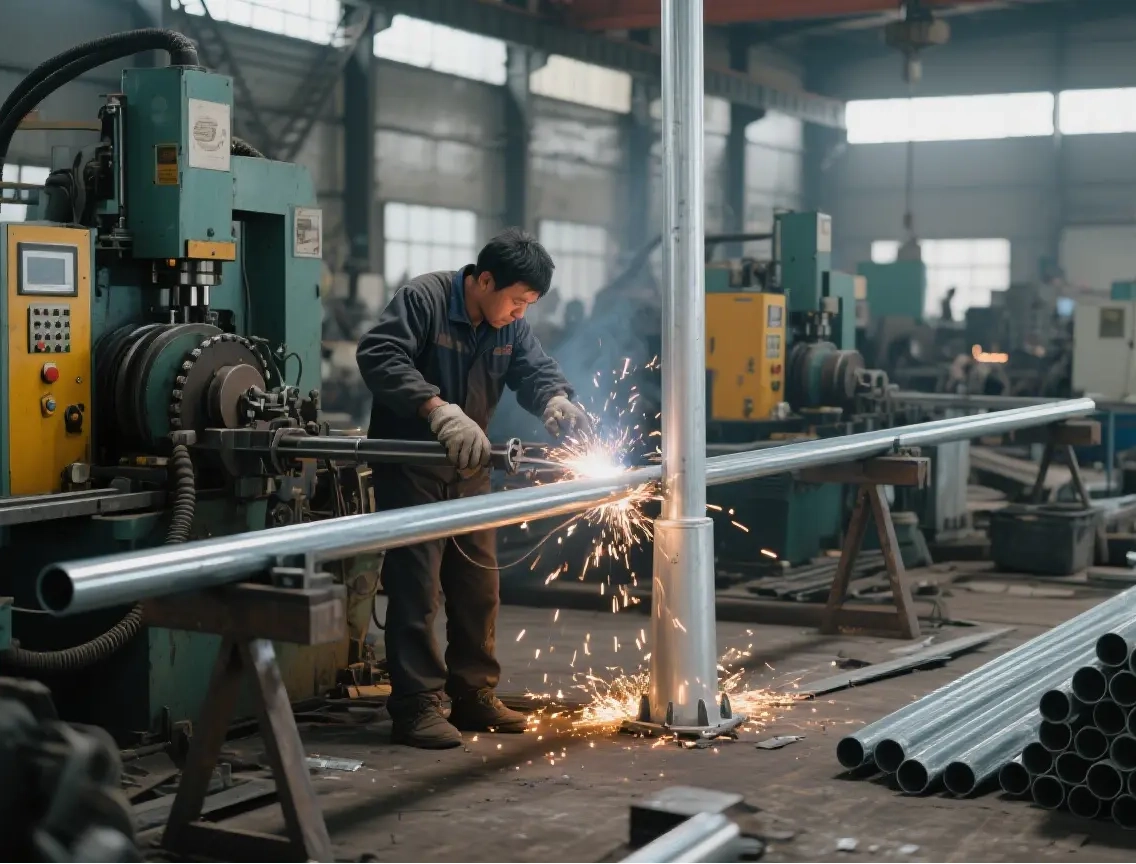
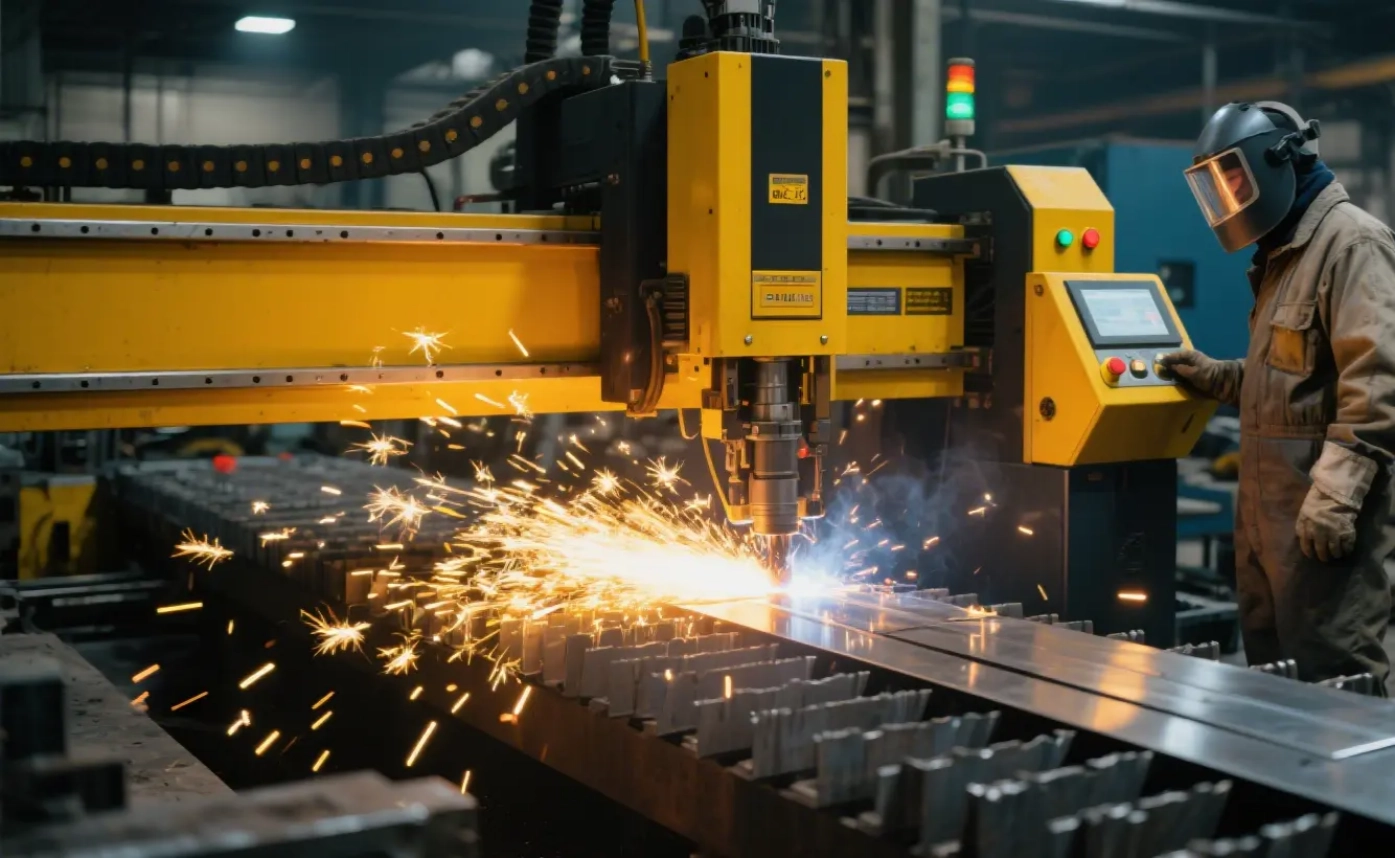
Our CNC machining centers maintain cut tolerances within 0.05mm. This degree of accuracy prevents water ingress at joints, sustaining the integrity of internal electronics.
Fixtures undergo multi-stage pretreatments before receiving a primer coat and a top UV-resistant polyester finish, preventing peeling or fading in high-sunlight coastal environments.
Each production run undergoes pressurized submersion and thermal cycling tests to confirm IP66, IP67, or IP68 ratings. This ensures long-term performance in wet or seasonally flooded ground.
Established in 1998, bringing over two decades of professional manufacturing experience in energy-efficient outdoor lighting systems.
Jiangsu Lukas Lighting Co., Ltd. was established in 1998 with a strong commitment to innovation, quality, and sustainability in the outdoor lighting industry. Over more than two decades of development, the company has grown into a professional manufacturer specializing in intelligent and energy-efficient street lighting solutions.
With continuous investment in research and development, Lukas Lighting has expanded its product portfolio to include LED street lights, solar street lights, smart lighting systems, landscape lighting, and customized municipal lighting solutions. Our products are widely used in urban roads, highways, industrial parks, residential communities, and public infrastructure projects across global markets.
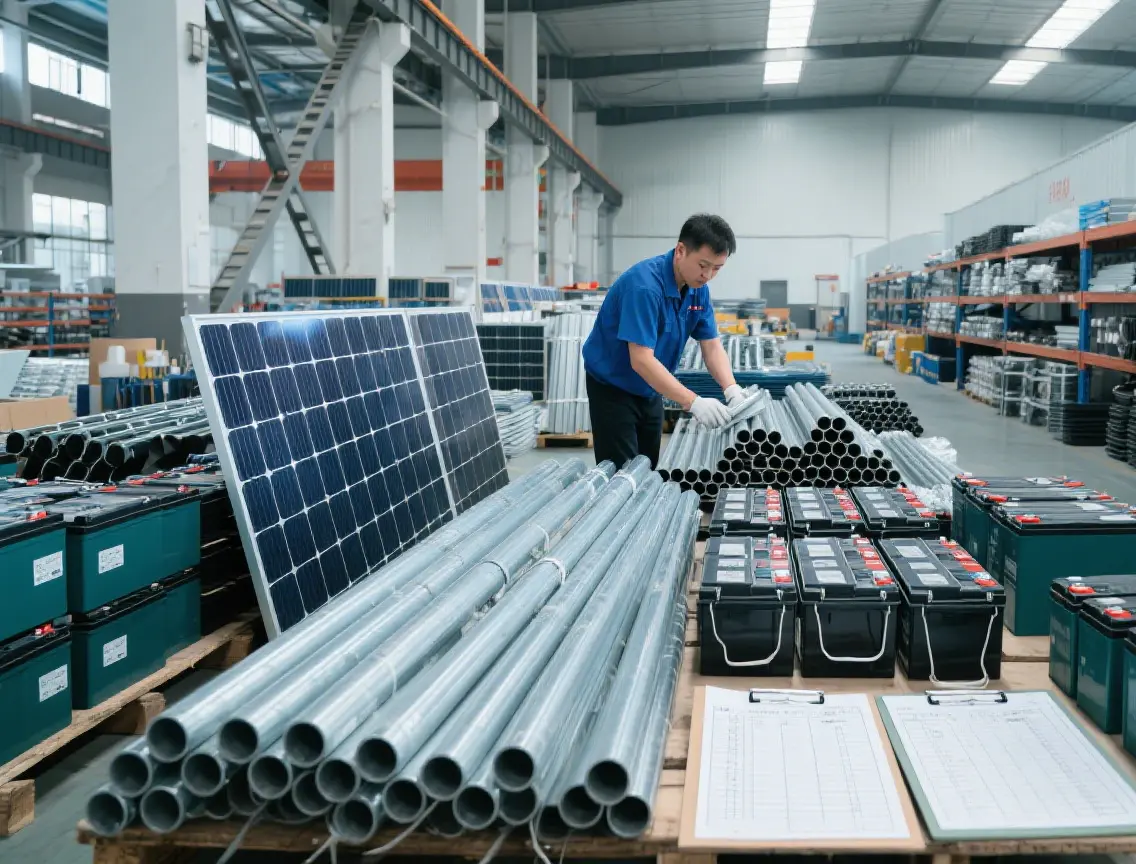
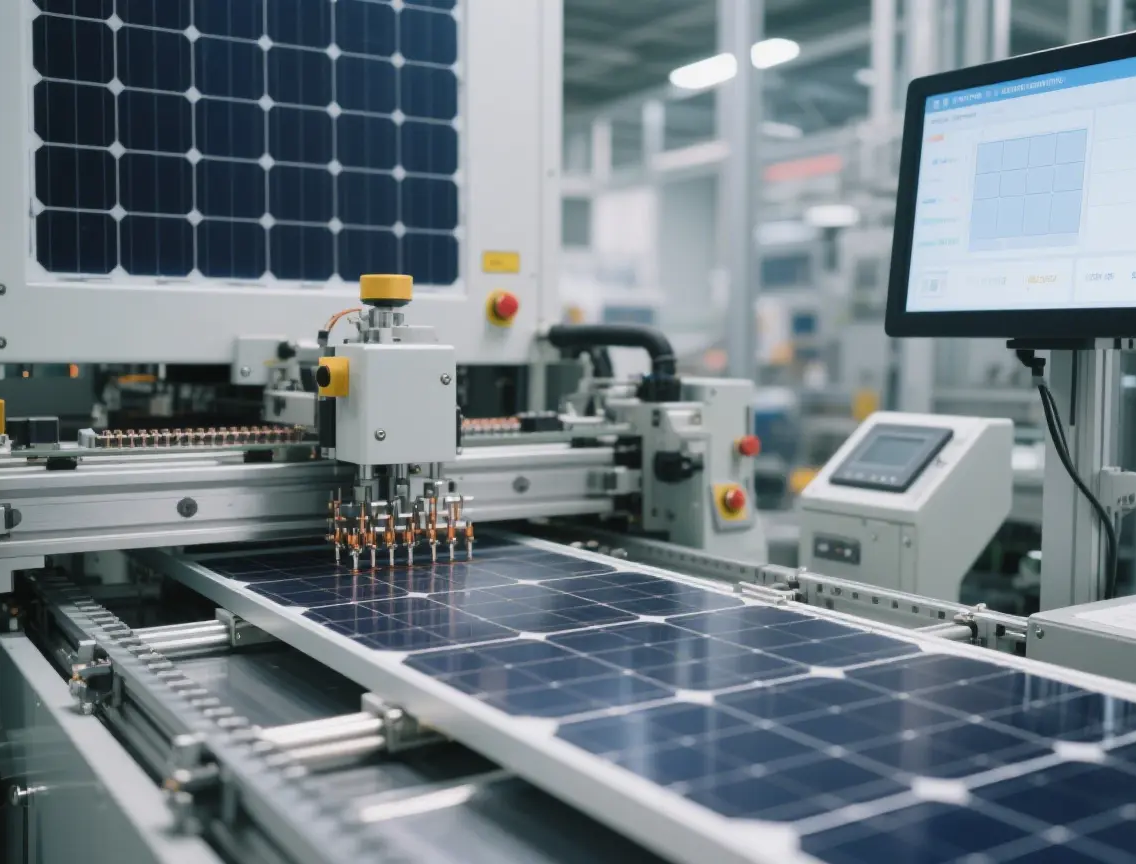
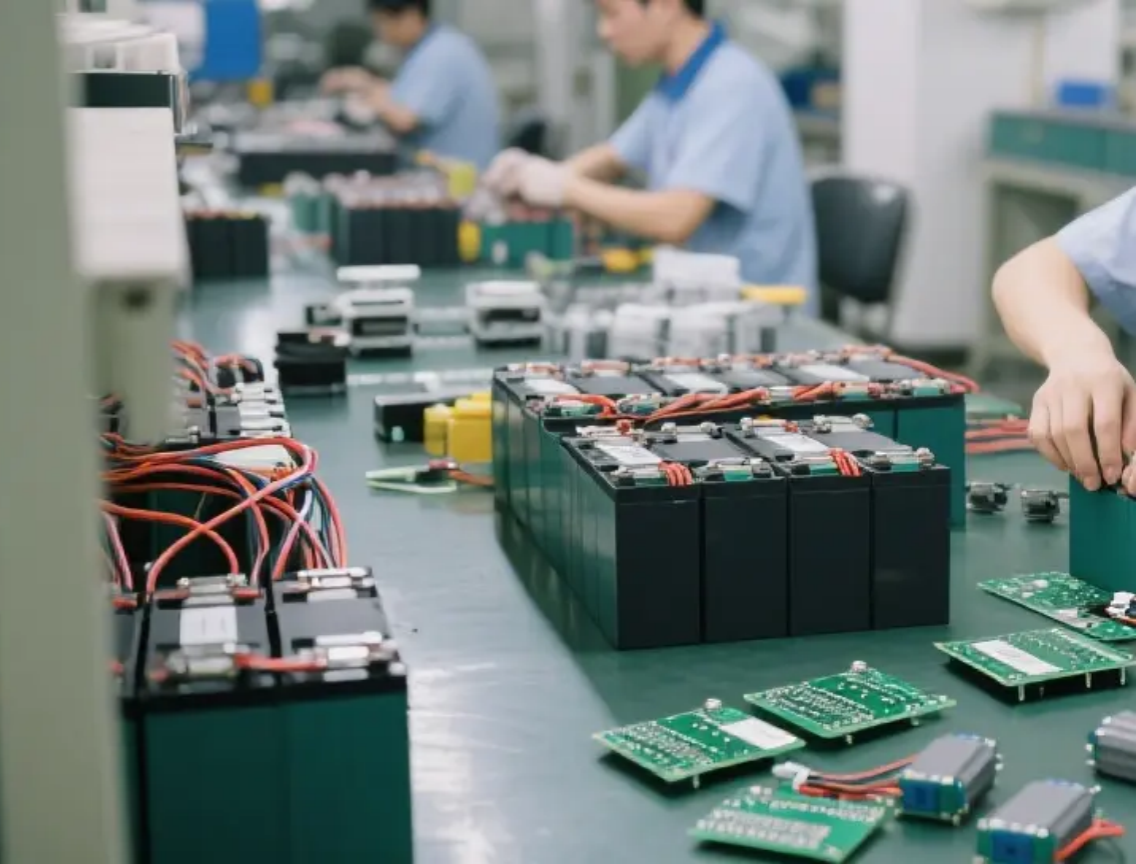
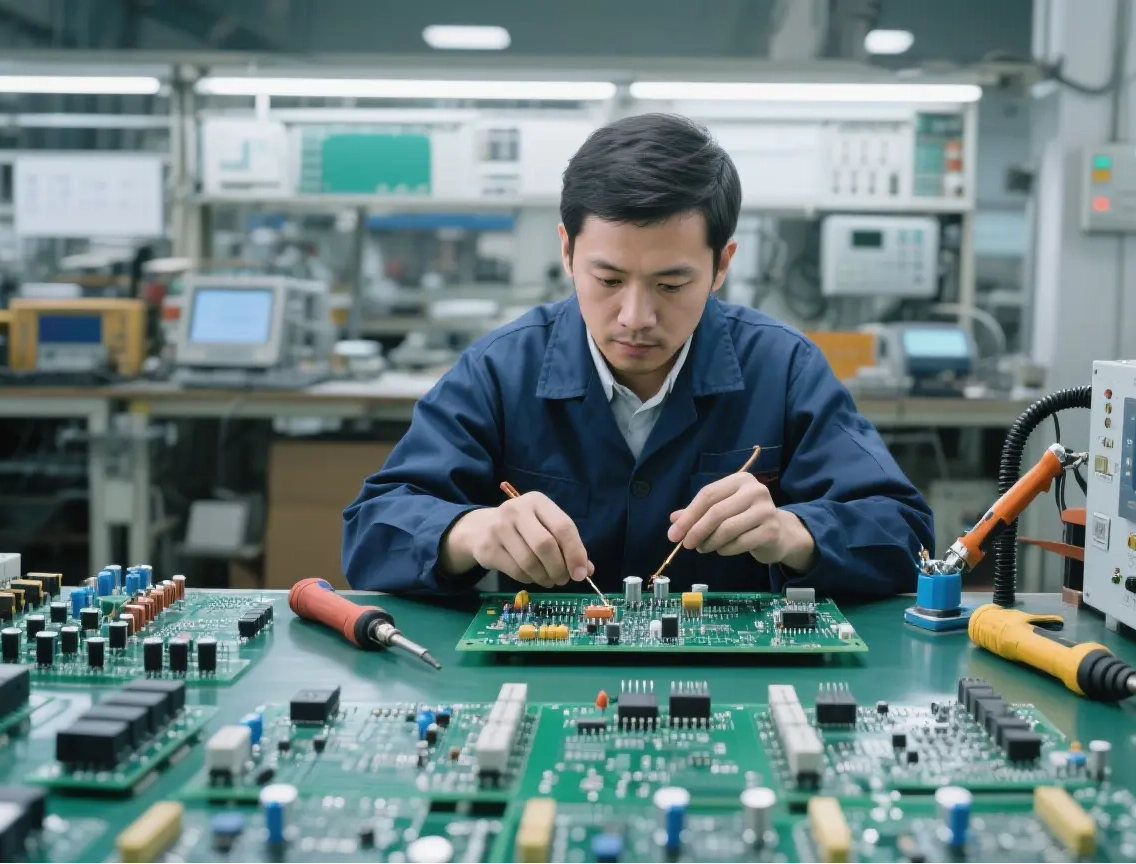
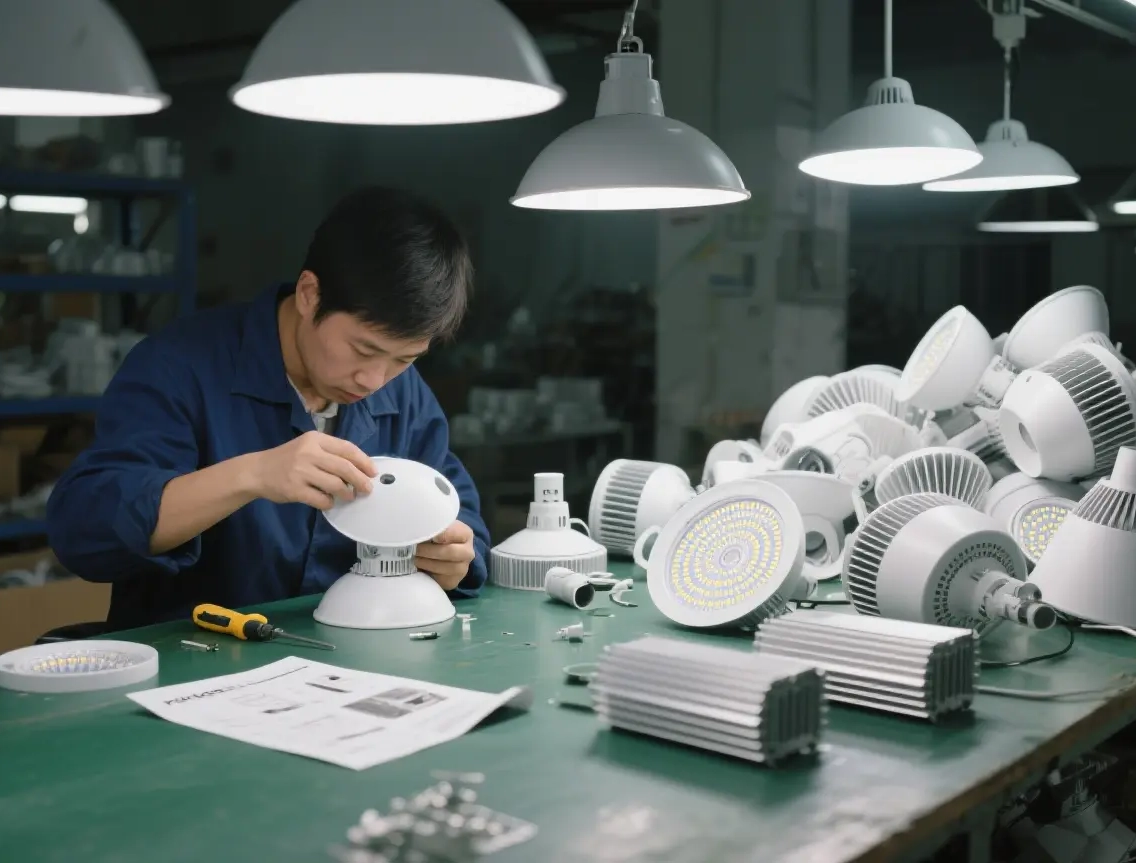
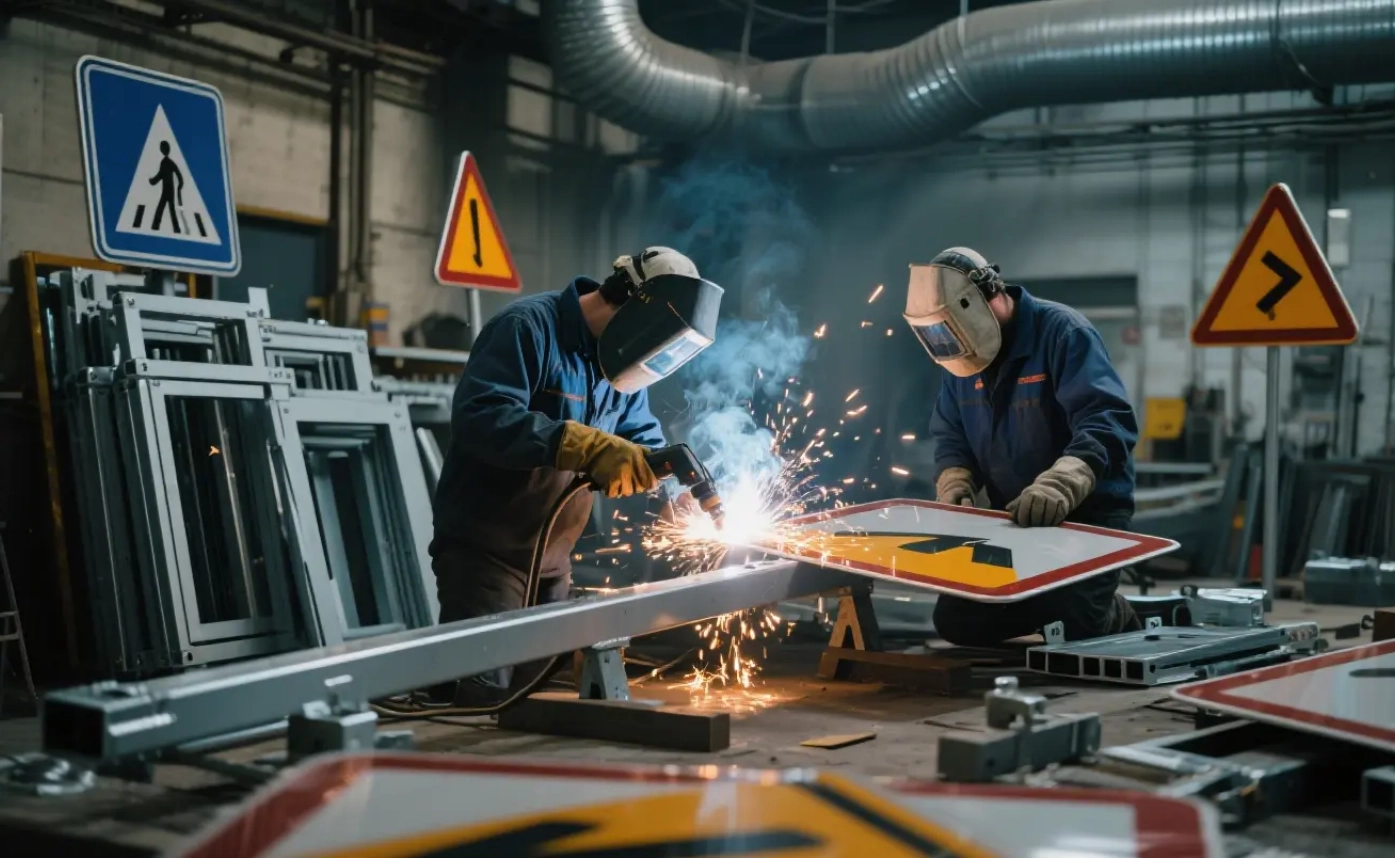
Located in Jiangsu, China, our modern production base covers an area of approximately 11,000 square meters. The facility is equipped with advanced manufacturing technologies and operated by a team of experienced engineers and skilled technicians. This ensures strict quality control, precision manufacturing, and efficient large-scale production capabilities.
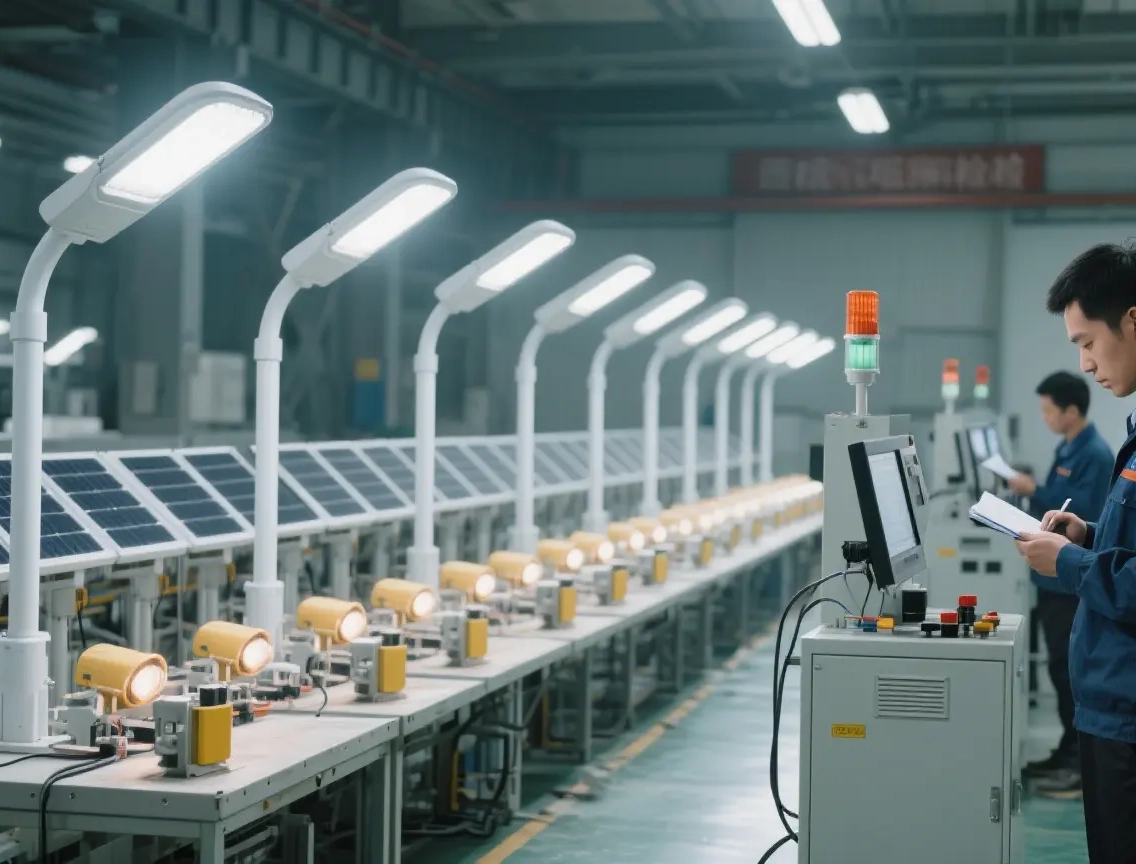
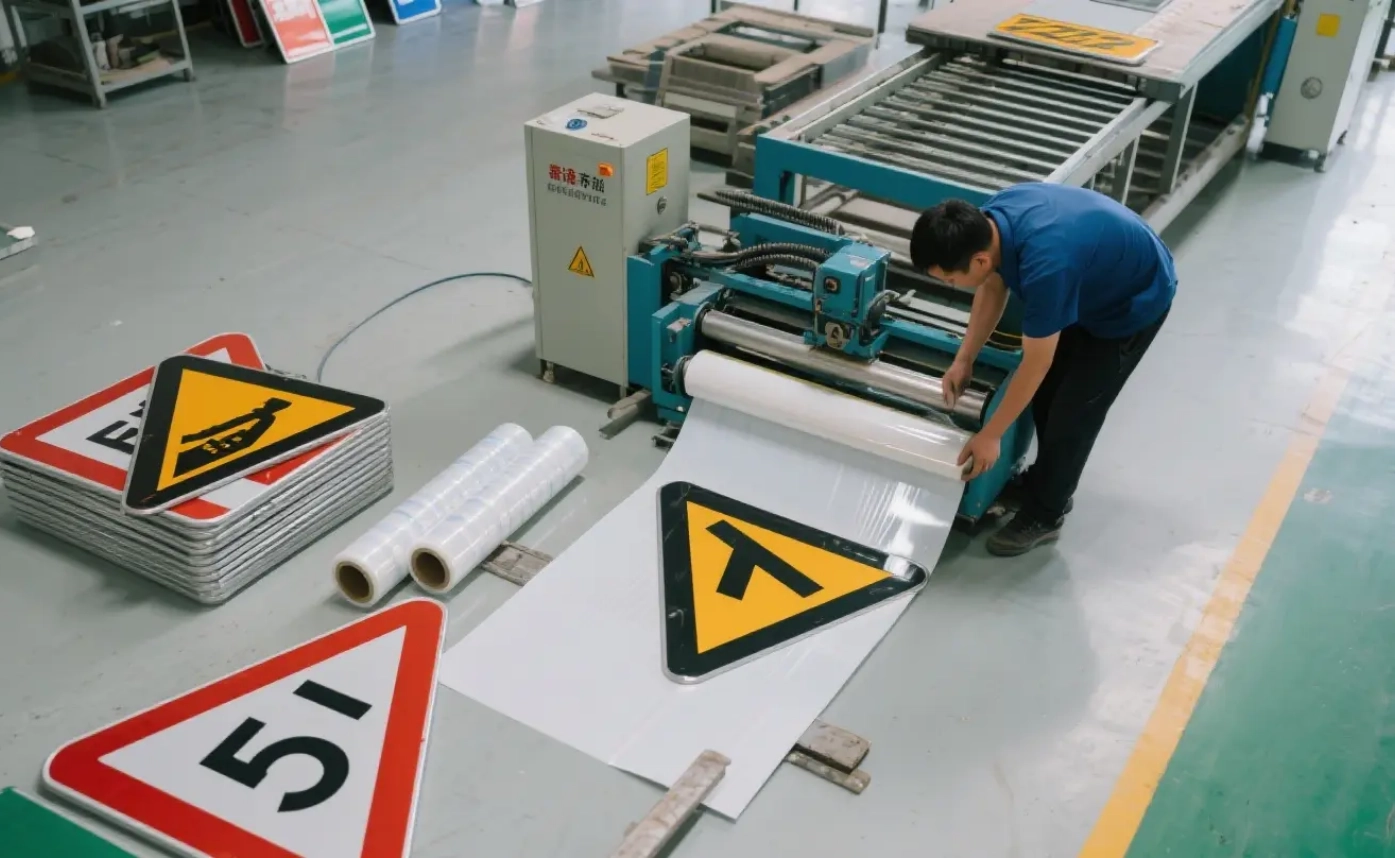
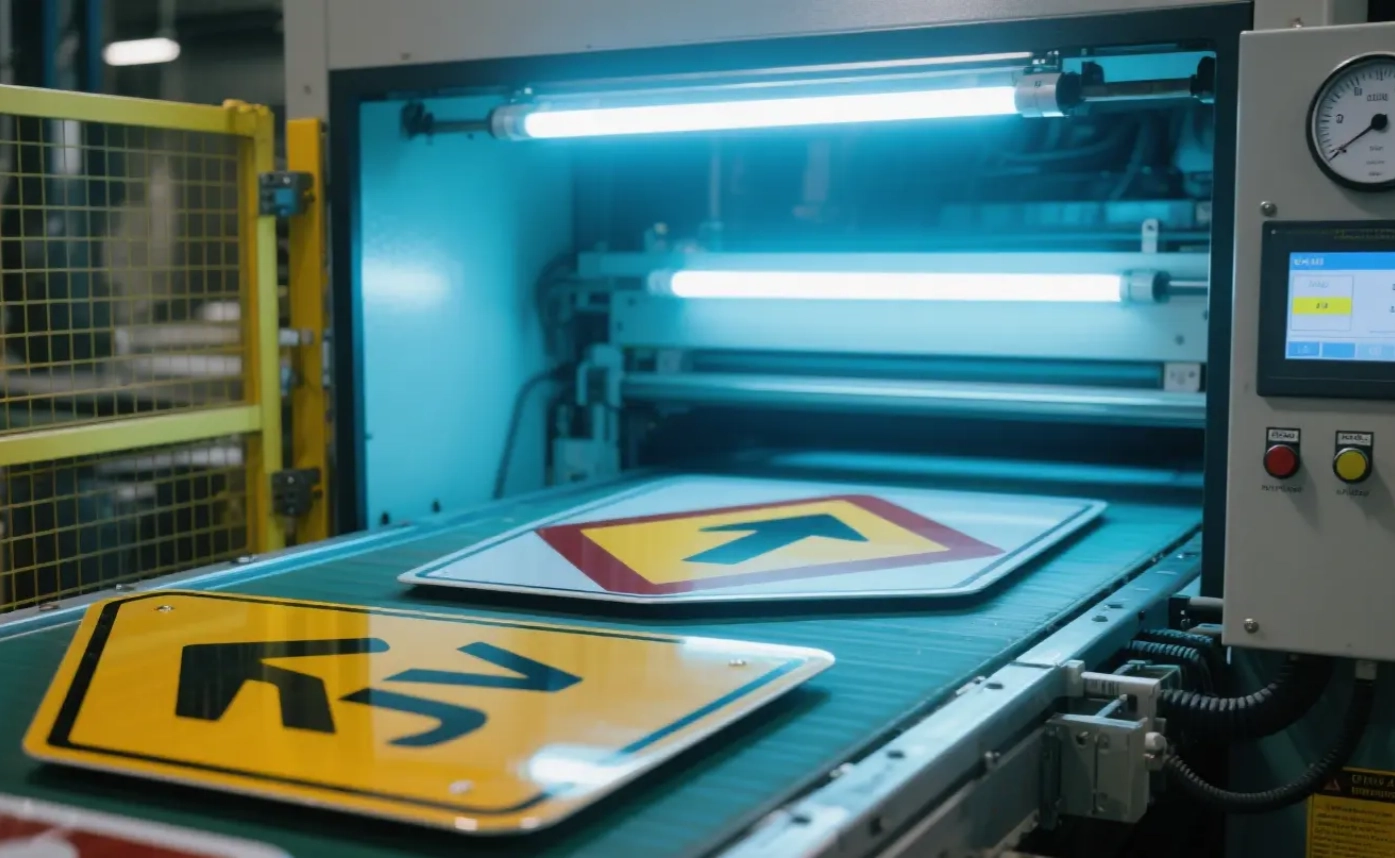
Equipped with advanced manufacturing and testing systems to maintain stable, high-volume production output.
Every product undergoes strict quality inspection procedures, from raw material selection to final assembly and lighting performance testing, maintaining high production efficiency and consistent product output.
Why international clients trust us with major municipal and commercial lighting developments.
With efficient production lines and advanced automation, we handle large-volume orders and complex customized projects with precision and speed.
We operate under an ISO9001 certified quality control framework, backed by multiple patents in lighting structure design and optical technology.
We provide integrated support including design, mold development, testing, mass production, and logistics, optimizing costs and lead times.
We continuously invest in energy-saving LED technologies and smart control systems to support carbon reduction goals and smart city initiatives.
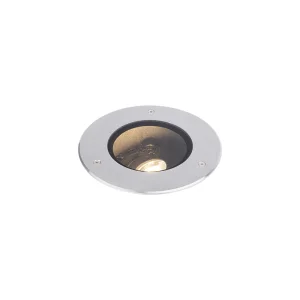
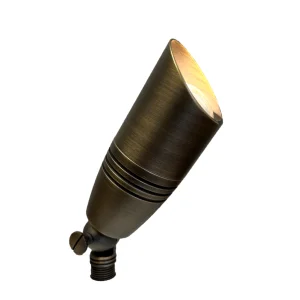
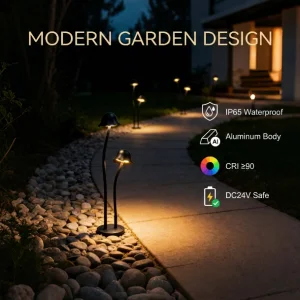
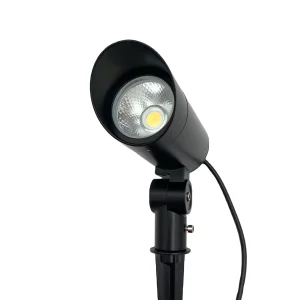
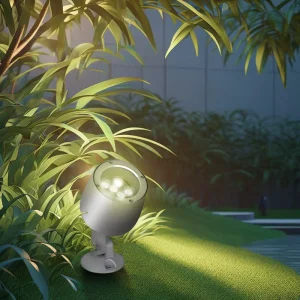
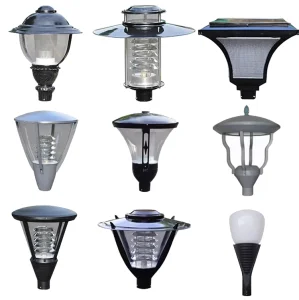
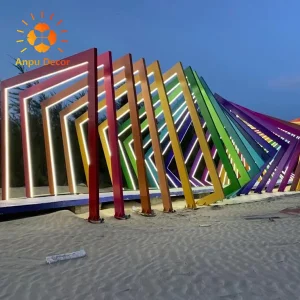
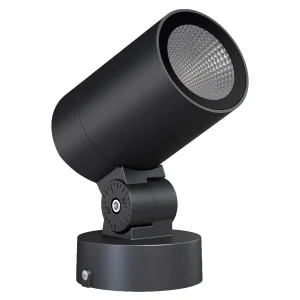
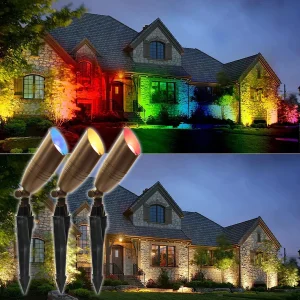
Ground uplights, spike projectors, and decorative wall-wash systems configured for low-voltage safety and IP67 protection.
Detailed engineering guidelines and compliance queries for importing commercial lighting components into Japan.
Contact our lighting design and engineering team for custom photometric layouts (Dialux simulations), PSE compliance documentation, or specific quotation requests.
 Lukas Lighting