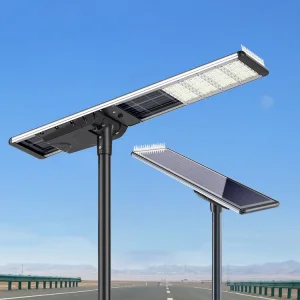
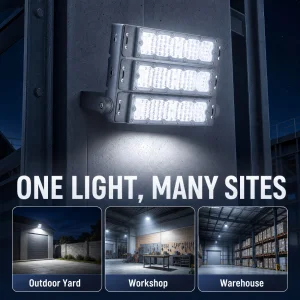
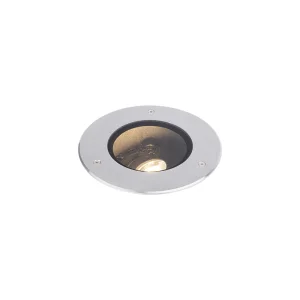
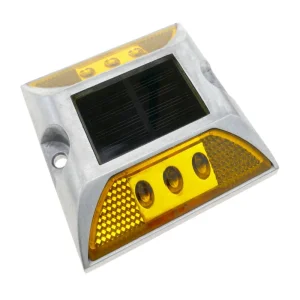
In an era defined by climate volatility and the urgent transition toward decentralized energy grids, Solar Emergency Lighting has transcended its role as a mere backup utility. Today, it stands as a cornerstone of resilient infrastructure. As a leading China Solar Emergency Lighting Manufacturer, we recognize that true "emergency" readiness requires more than just a battery; it requires a synergy of high-efficiency photovoltaics, intelligent power management, and rugged industrial design.
The global demand for grid-independent lighting solutions is surging, driven by the need for reliable safety markers in disaster-prone areas, remote industrial sites, and smart urban environments. Our white paper explores how technical innovation in Jiangsu, China, is setting new benchmarks for the global procurement of life-saving lighting systems.
The industry is shifting from simple lead-acid backup lights to IoT-enabled LiFePO4 systems. Key trends include the integration of AI-driven adaptive dimming, which extends battery life during consecutive rainy days, and the adoption of bifacial solar panels that capture reflected light, increasing energy harvest by up to 25%.
China's dominance in this sector isn't just about cost; it's about the integrated supply chain ecosystem. Located in Jiangsu, our facility benefits from proximity to the world's most advanced semiconductor and lithium battery clusters, allowing us to implement "Information Gain" by optimizing the spectral response of LEDs to match specific atmospheric conditions.
Years of Innovation
Sqm Production Base
Certified Quality
Global Patents
Jiangsu Lukas Lighting Co., Ltd. was established in 1998 with a strong commitment to innovation, quality, and sustainability in the outdoor lighting industry. Over more than two decades of development, the company has grown into a professional manufacturer specializing in intelligent and energy-efficient street lighting solutions.
With continuous investment in research and development, Lukas Lighting has expanded its product portfolio to include LED street lights, solar street lights, smart lighting systems, landscape lighting, and customized municipal lighting solutions. Our products are widely used in urban roads, highways, industrial parks, residential communities, and public infrastructure projects across global markets.
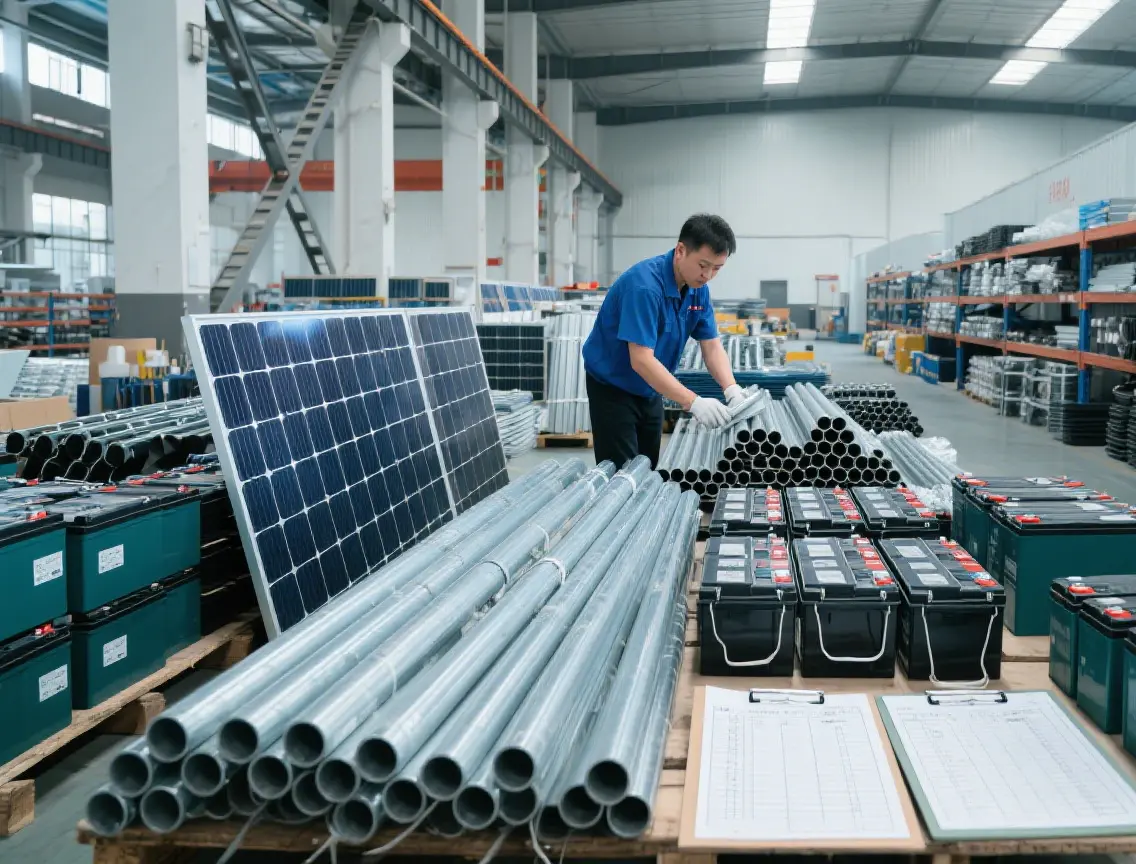
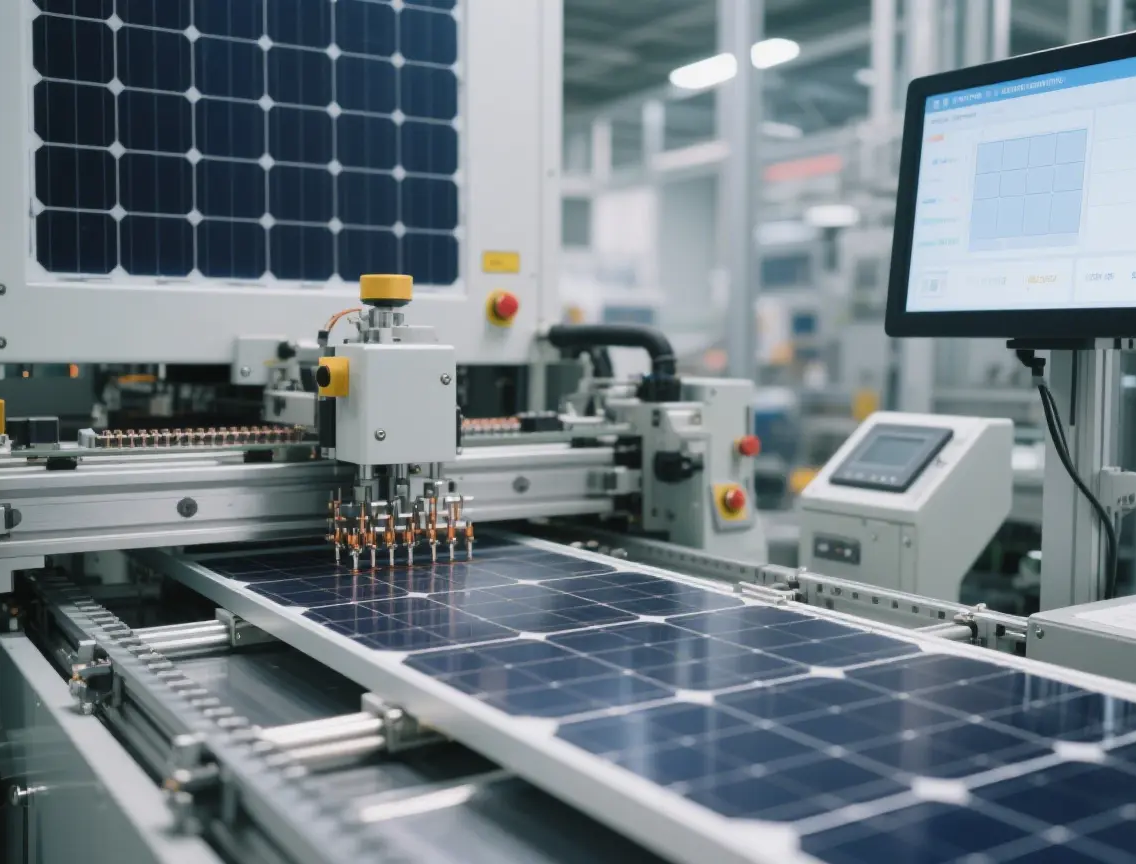
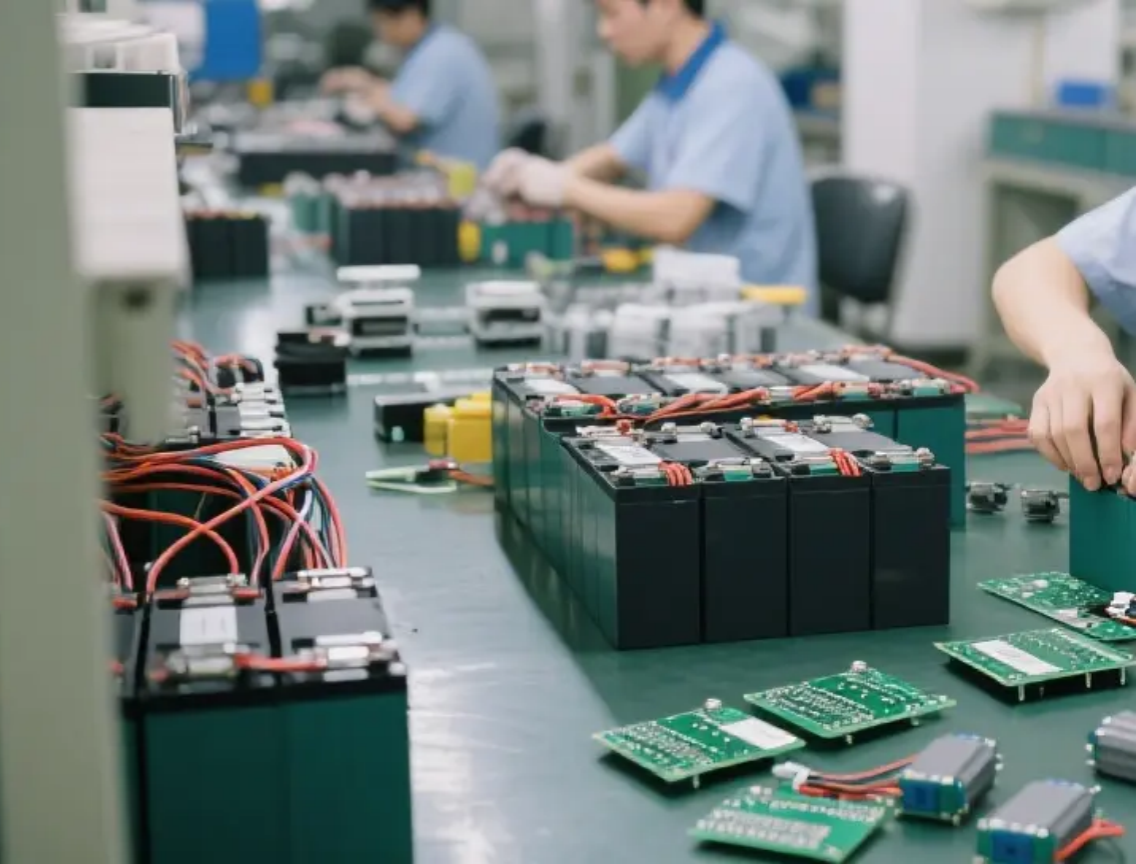
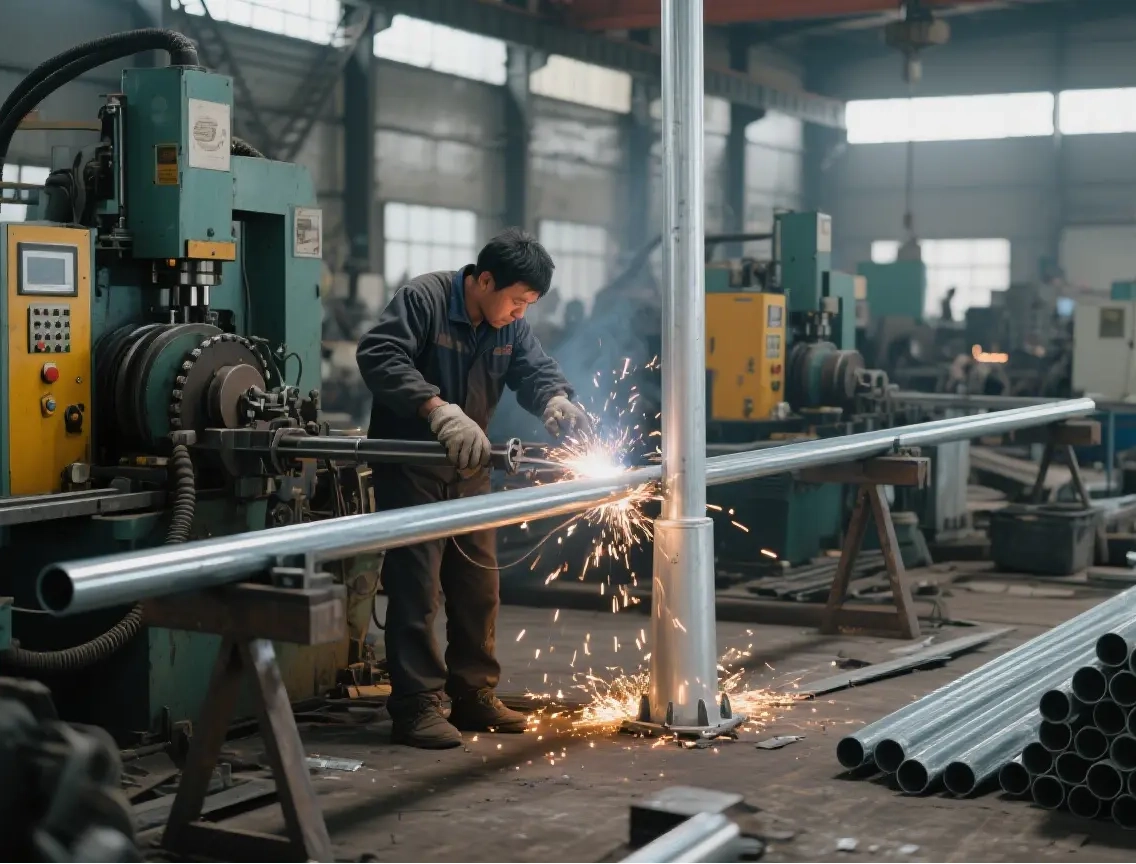
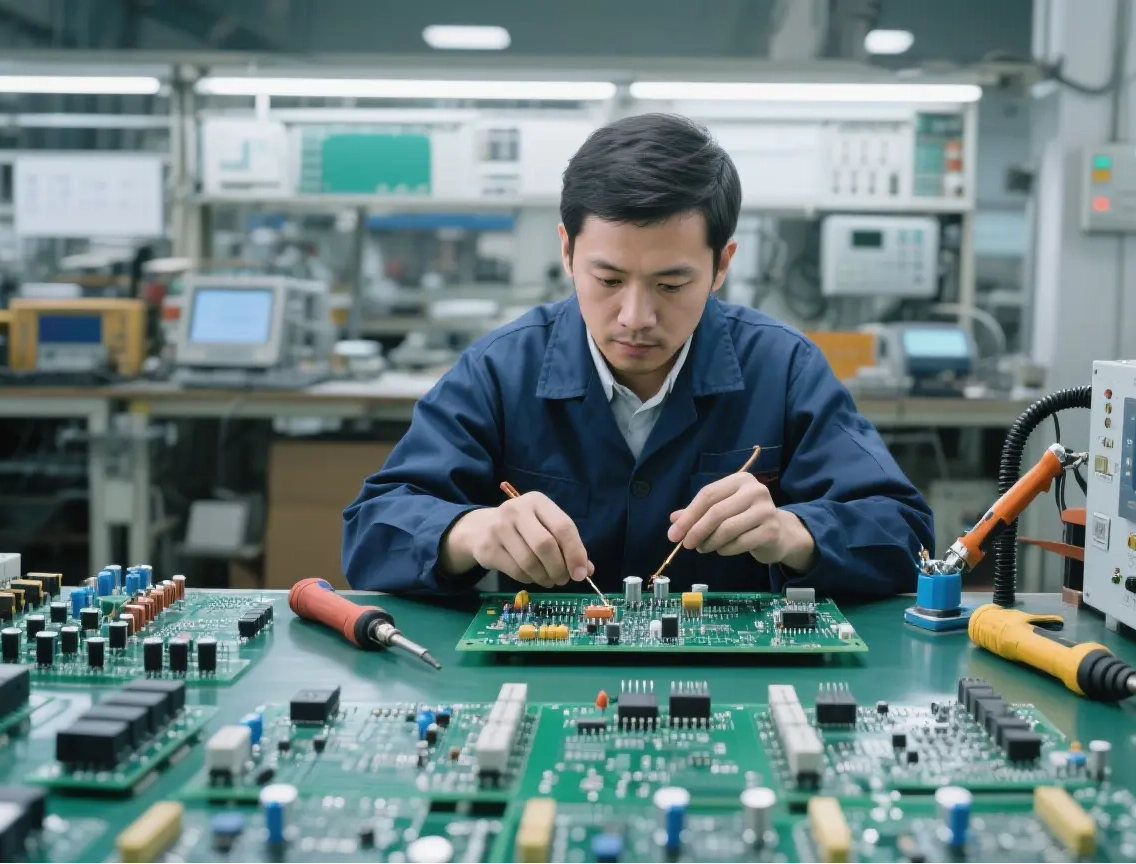
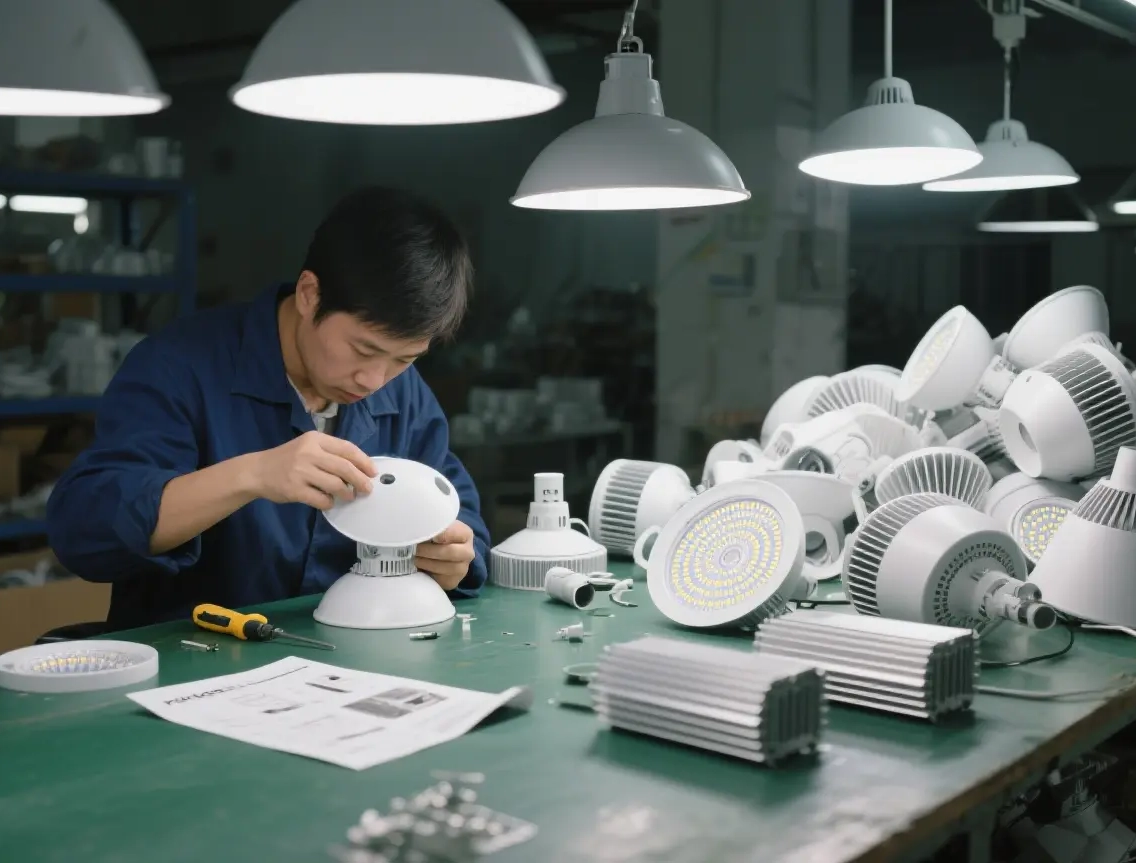
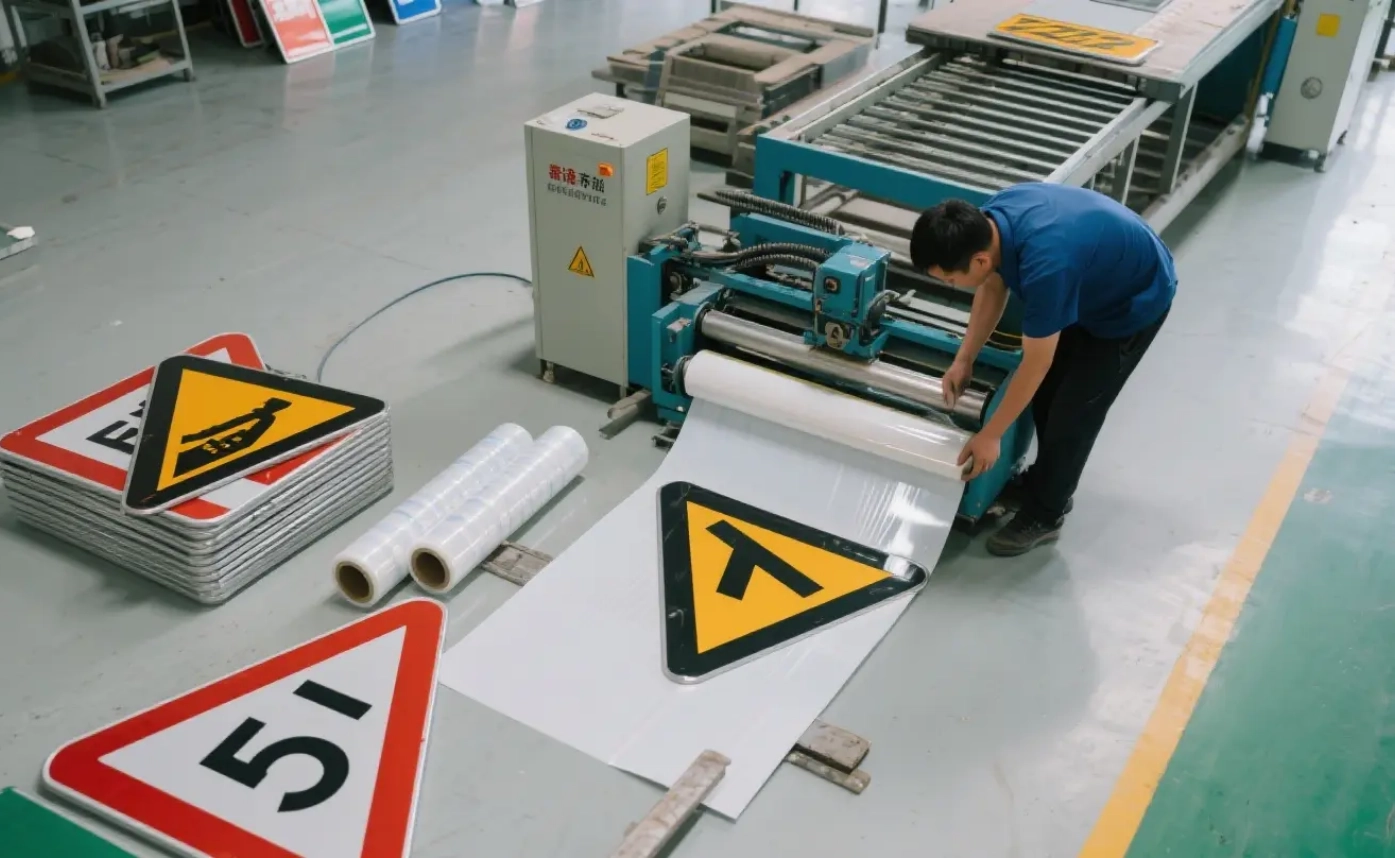
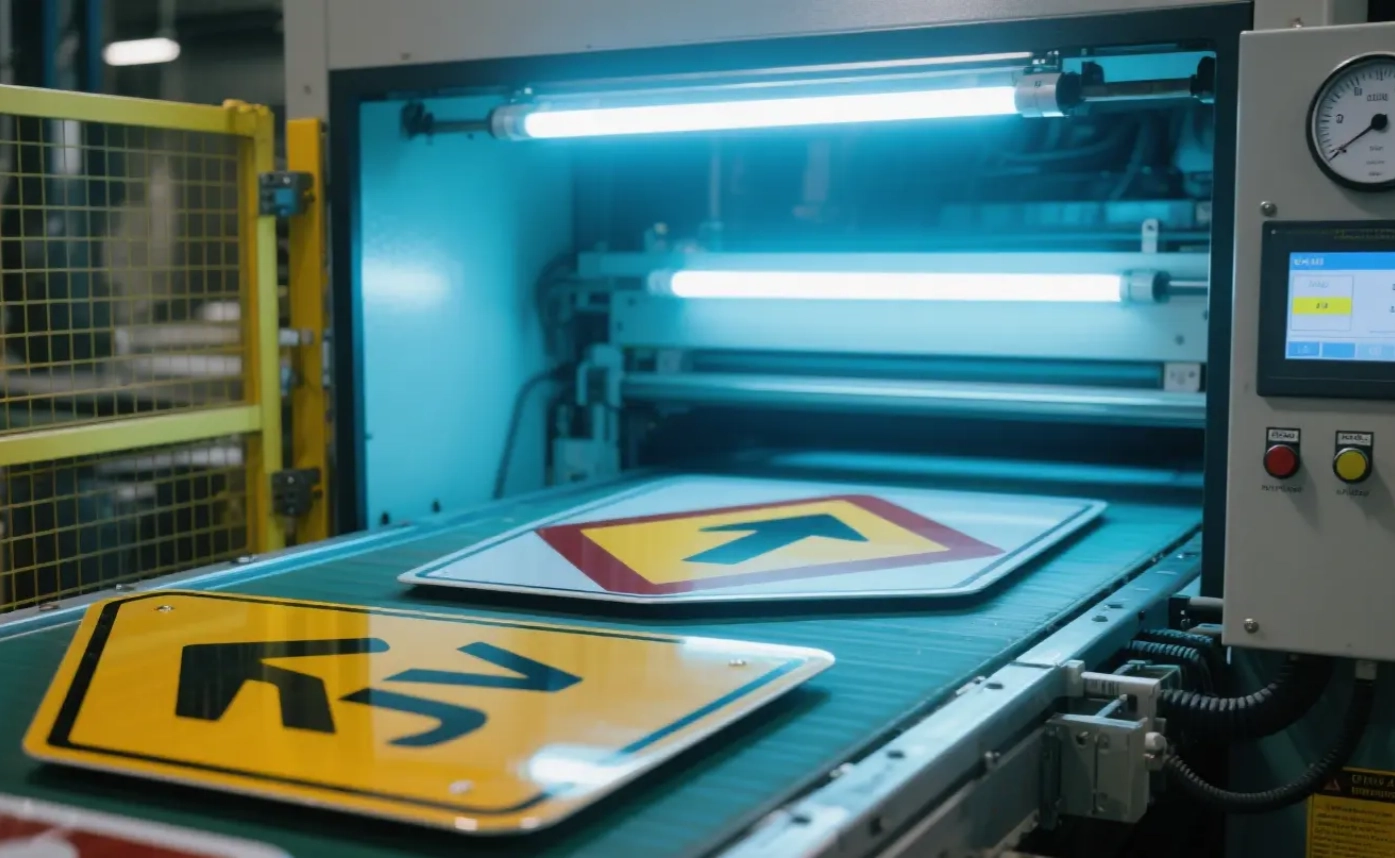
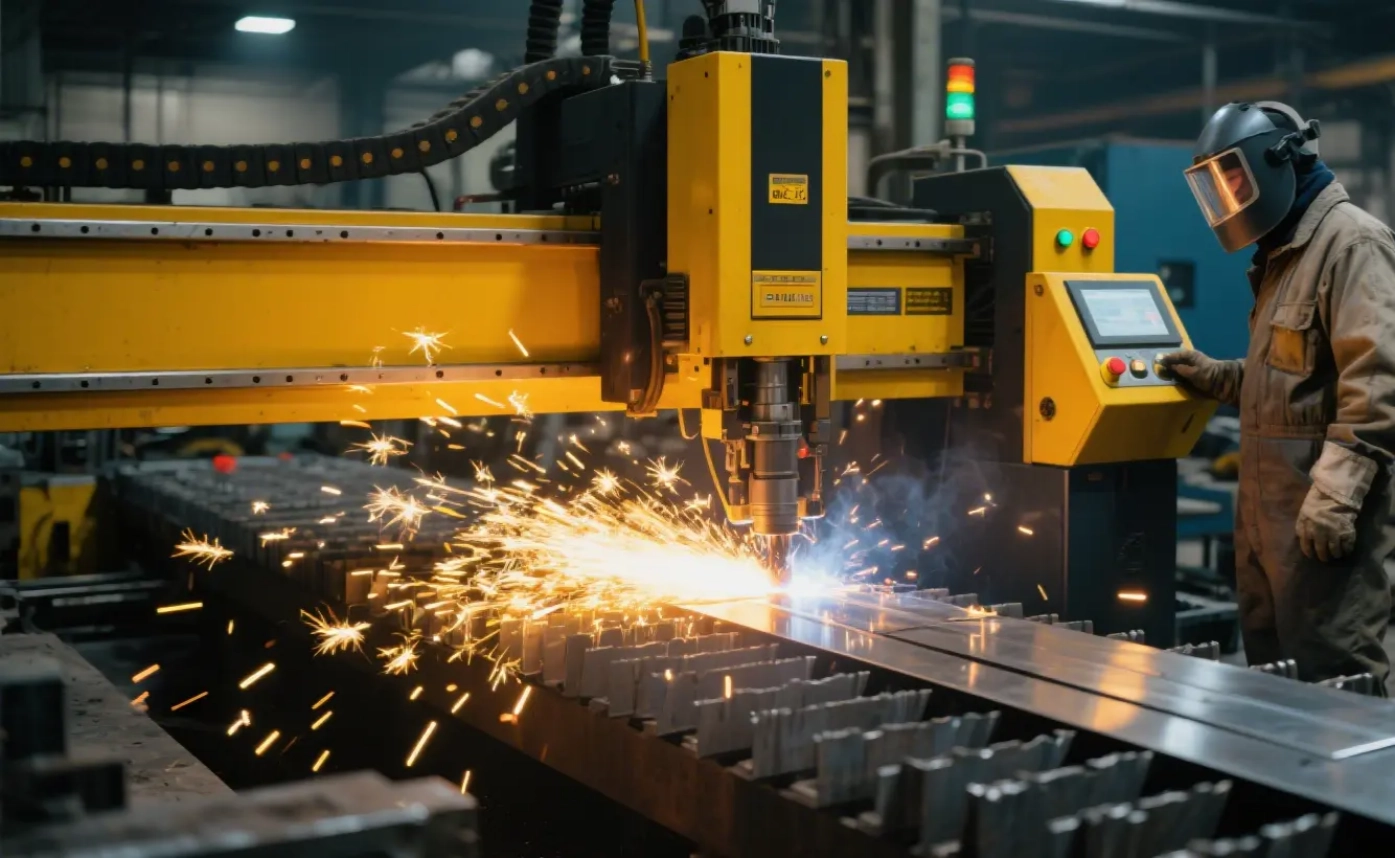
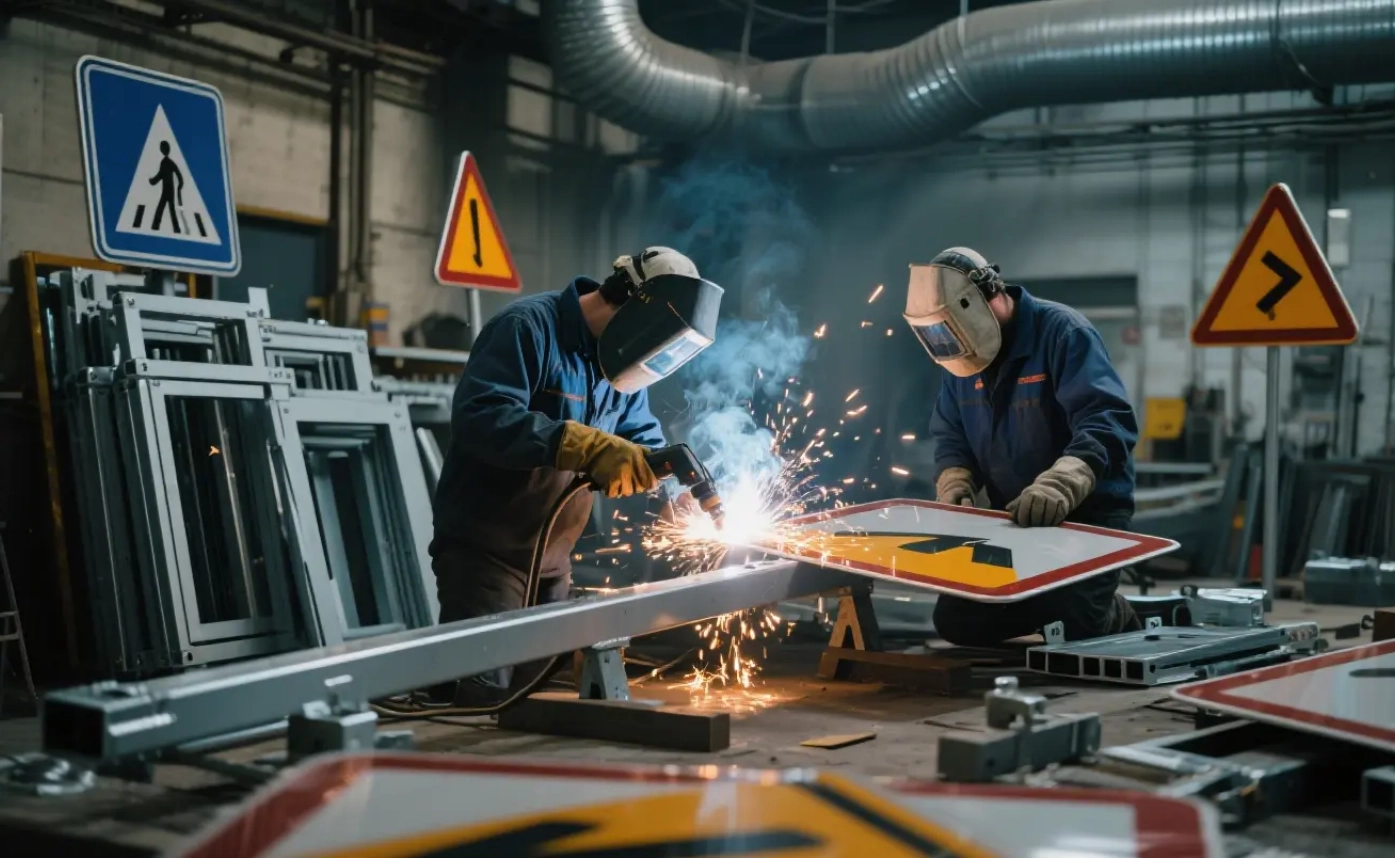
Every product undergoes strict quality inspection procedures, from raw material selection to final assembly and lighting performance testing. Our Professional Powder Coating lines ensure IP67+ weather resistance, while Advanced Photometric Testing guarantees compliant light distribution for international safety standards.
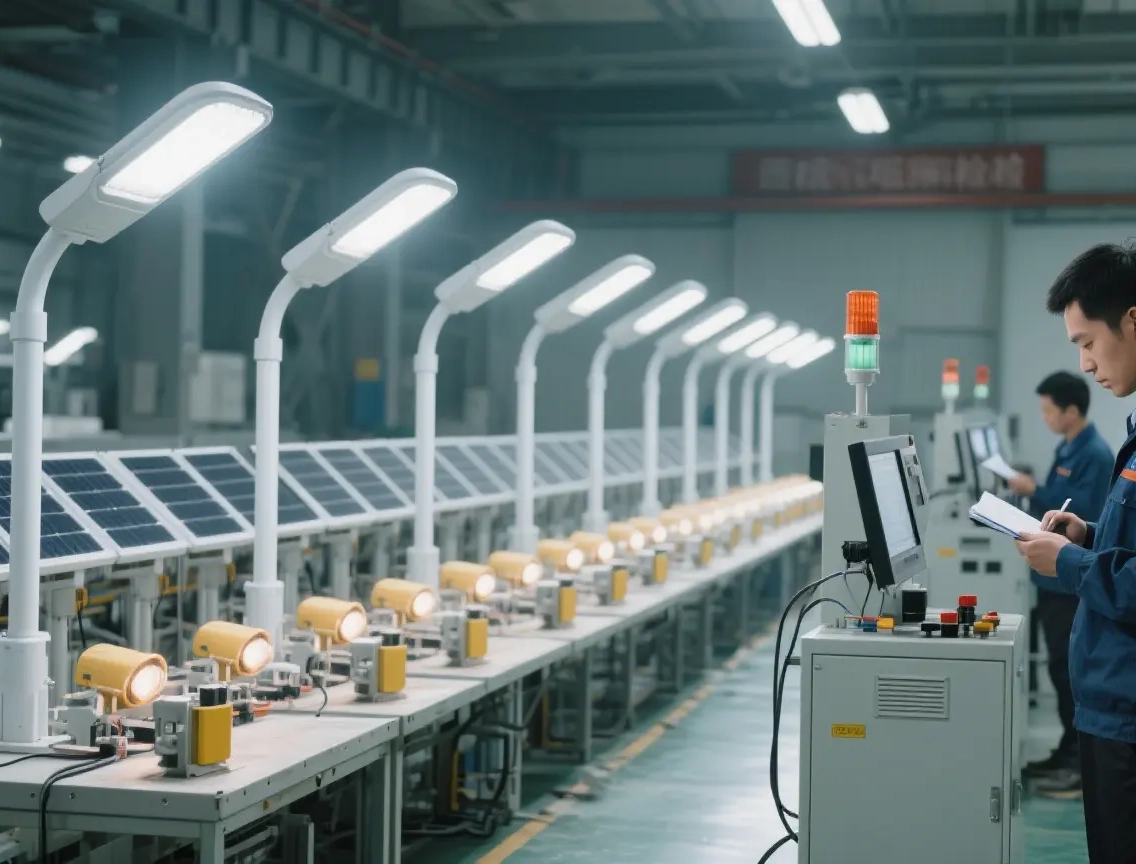
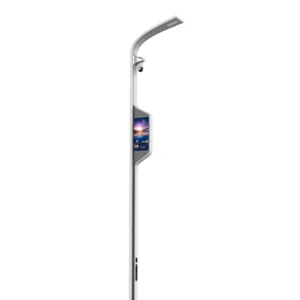
We provide unified solar emergency lighting grids that communicate via Zigbee or LoRaWAN. In the event of a power outage, these systems automatically increase luminosity and serve as Wi-Fi hotspots or 5G small cell nodes.
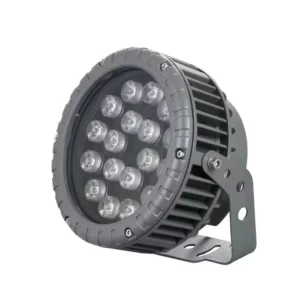
Our IP67/IP68 waterproof solutions, like the CXH series, are engineered for high salinity and humidity. They utilize specialized anti-corrosive coatings and marine-grade aluminum to ensure decade-long lifespans in oceanic environments.
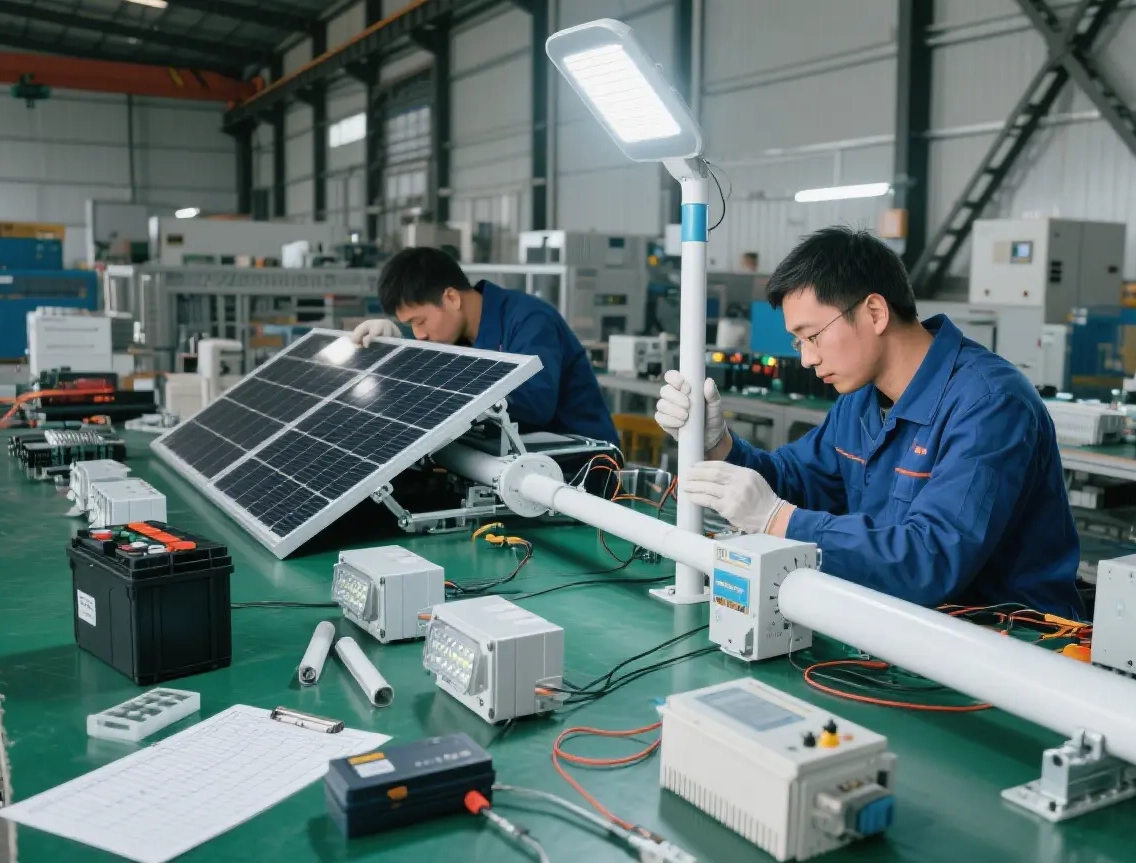
Quick-deploy solar units are essential for NGOs and emergency responders. Our one-stop customized service allows for modular designs that can be assembled in minutes without professional tools.
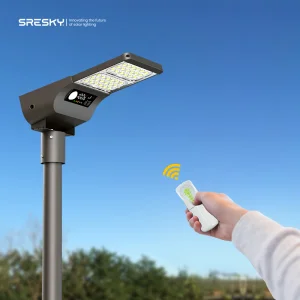
Our standard systems are designed for "3-5 days autonomy." This means with an intelligent MPPT controller and LiFePO4 battery, the light can function for up to 5 consecutive rainy/cloudy days at optimized dimming levels.
Beyond cost-efficiency, the primary advantage is the Integration of Ecosystems. We provide mold development, mass production, and logistics under one roof, reducing lead times by up to 40% compared to local assemblers in other regions.
Yes, our products carry certifications including CE, RoHS, and ETL. For specific high-risk environments, we provide ATEX-certified explosion-proof models and IP67 waterproof ratings for marine applications.
Absolutely. Our engineers use photometric software to simulate your site conditions and can adjust the lens optics, wattage, and battery capacity to ensure your project meets local illumination standards (e.g., IESNA or EN codes).
 Lukas Lighting