Established in 1998, Jiangsu Lukas Lighting Co., Ltd. has pioneered the transformation of clean energy and LED integration across global municipalities. With over 25 years of specialized experience, our technical and manufacturing teams scale sustainable lighting systems from initial custom optical designs to large-scale infrastructure deployments.
Based in Jiangsu, China, our advanced manufacturing infrastructure spans an automated 11,000 square meters facility. Designed to meet the stringent demands of global procurement contracts, Lukas Lighting bridges the gap between sophisticated IoT-ready smart cities and reliable remote grid-tied or off-grid outdoor lighting requirements.
As the international community accelerates toward Net-Zero carbon emissions, the reliance on high-efficiency, zero-emission municipal infrastructure has shifted from optional to mandatory. Solar street lighting serves as the foundational backbone for modern Smart Cities, eliminating the need for expensive trenching, cable routing, and grid connections. Our projects mitigate carbon footprints while delivering high-efficacy illumination to remote highway networks, deep-sea ports, and expanding industrial parks.
By converting high-efficiency monocrystalline solar panels with advanced MPPT controller logic, our setups offset metric tons of CO2 annually for municipal stakeholders.
Eliminating excavation, line conduits, and utility cost hikes ensures commercial developments achieve complete return-on-investment within 24 to 36 months.
Integrating LoRaWAN, Zigbee, and cellular 5G communication protocols into our solar setups allows remote real-time monitoring and adaptive dimming.
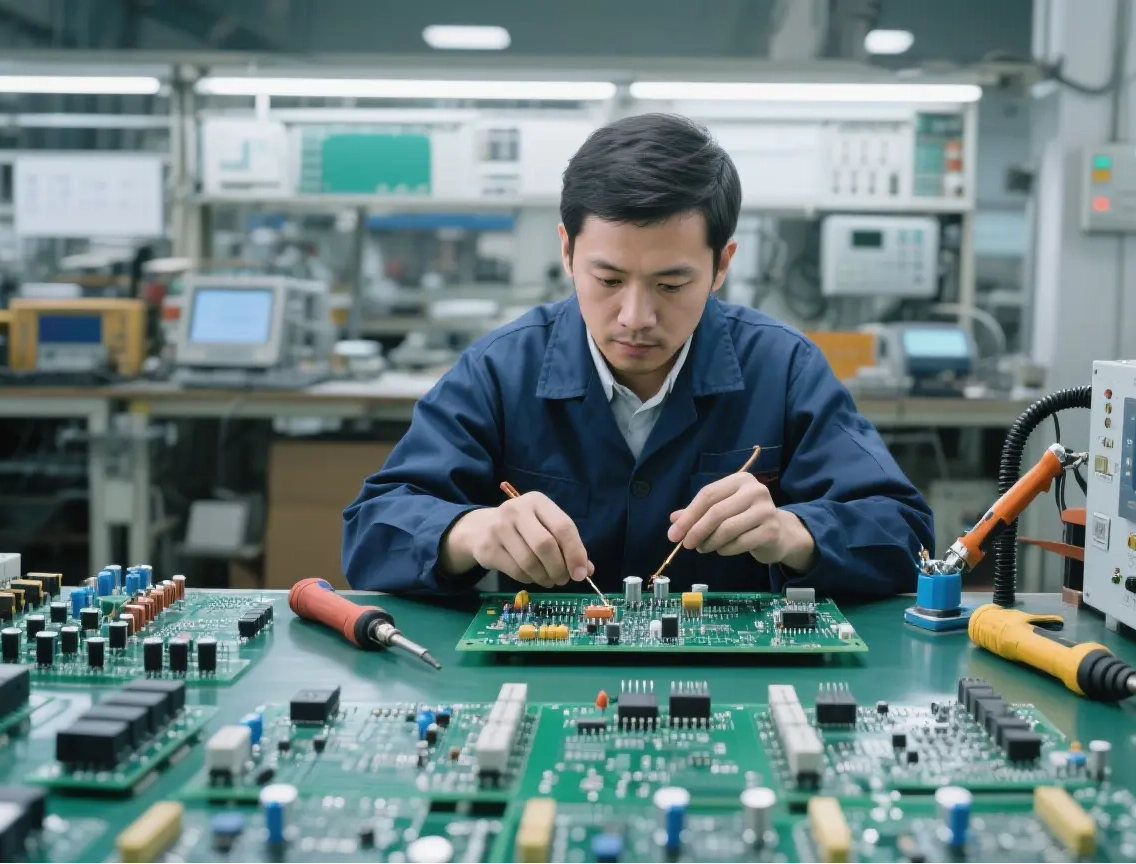
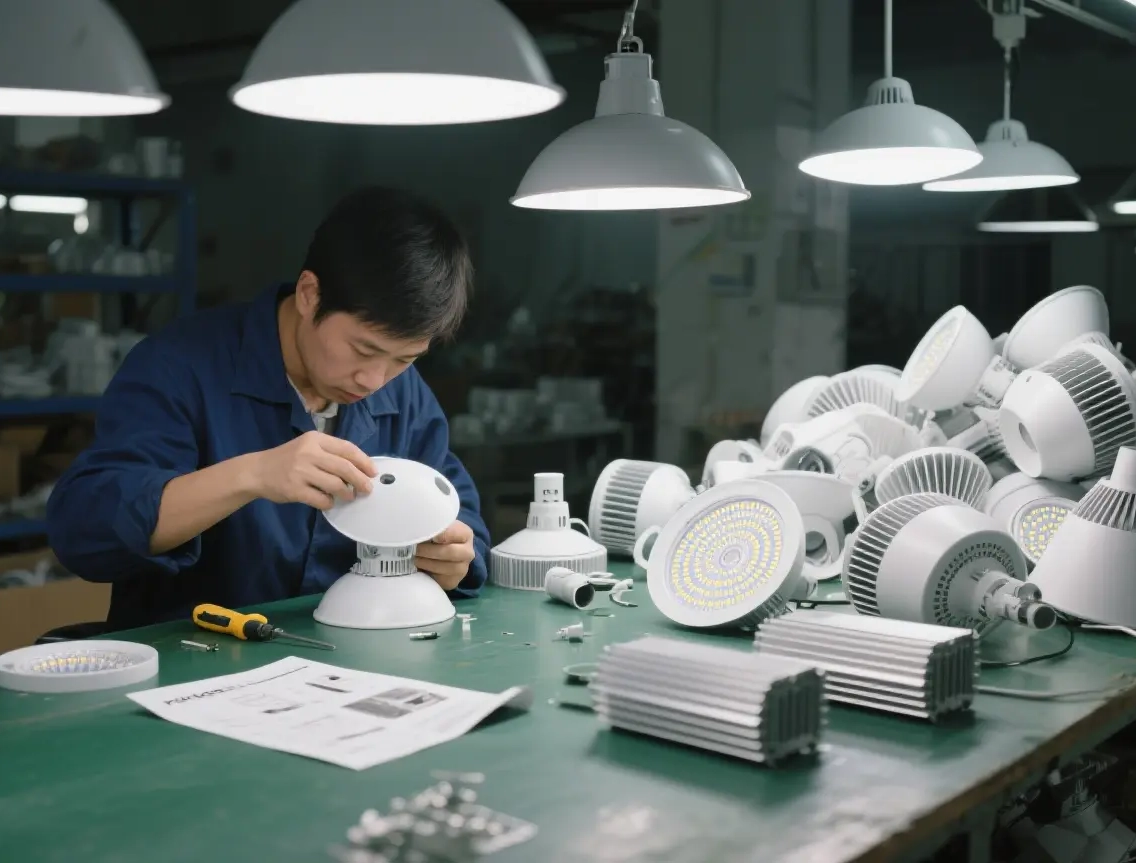
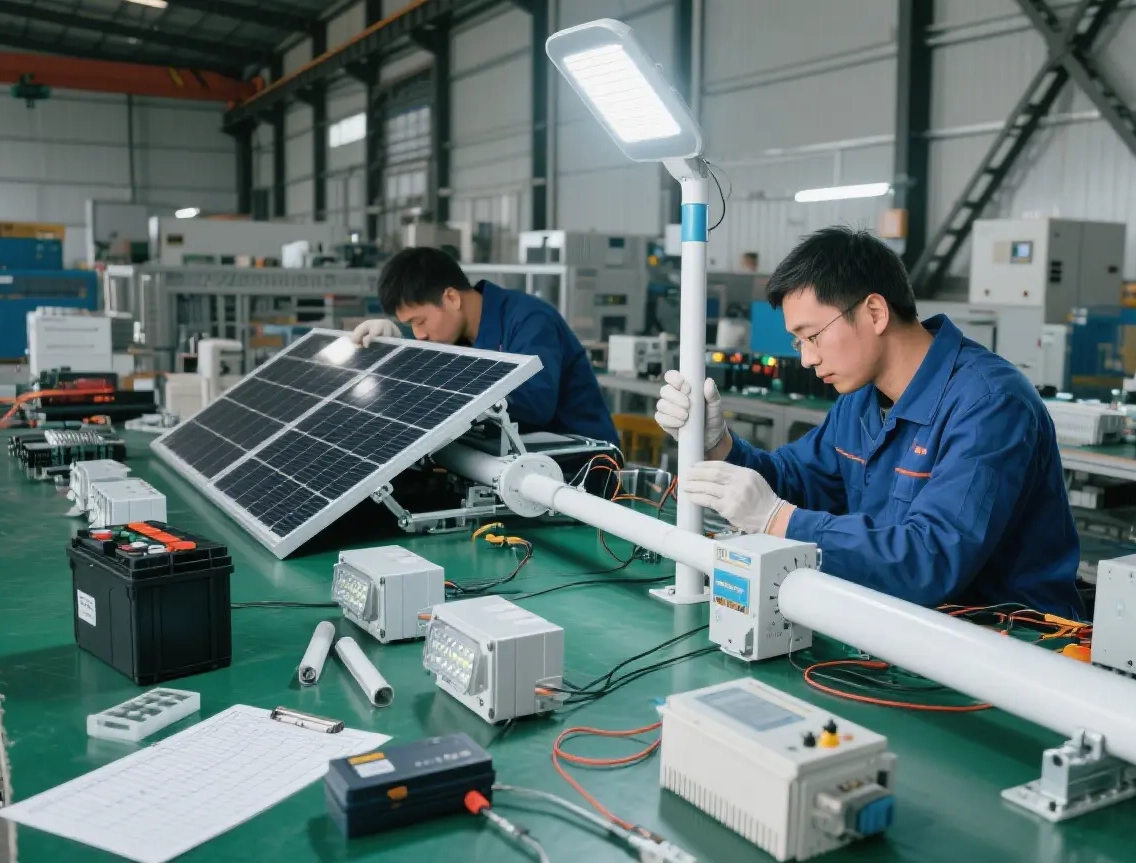
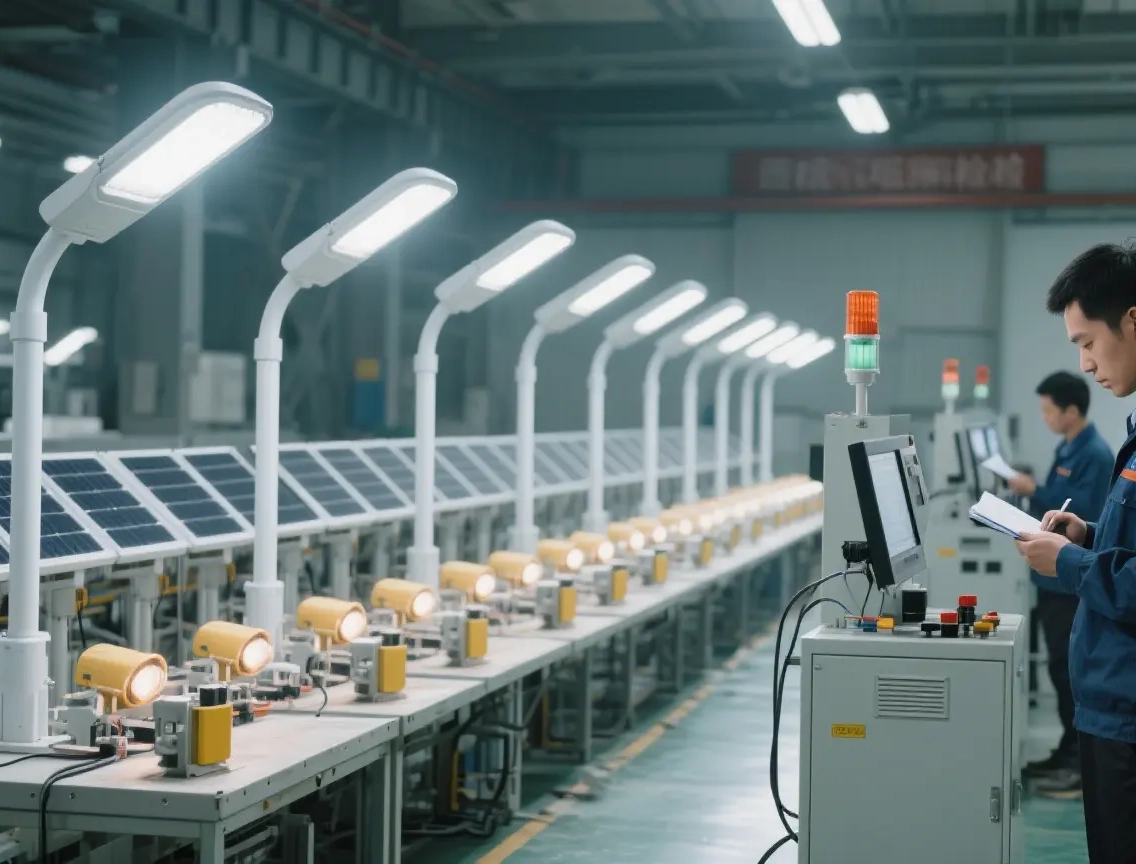
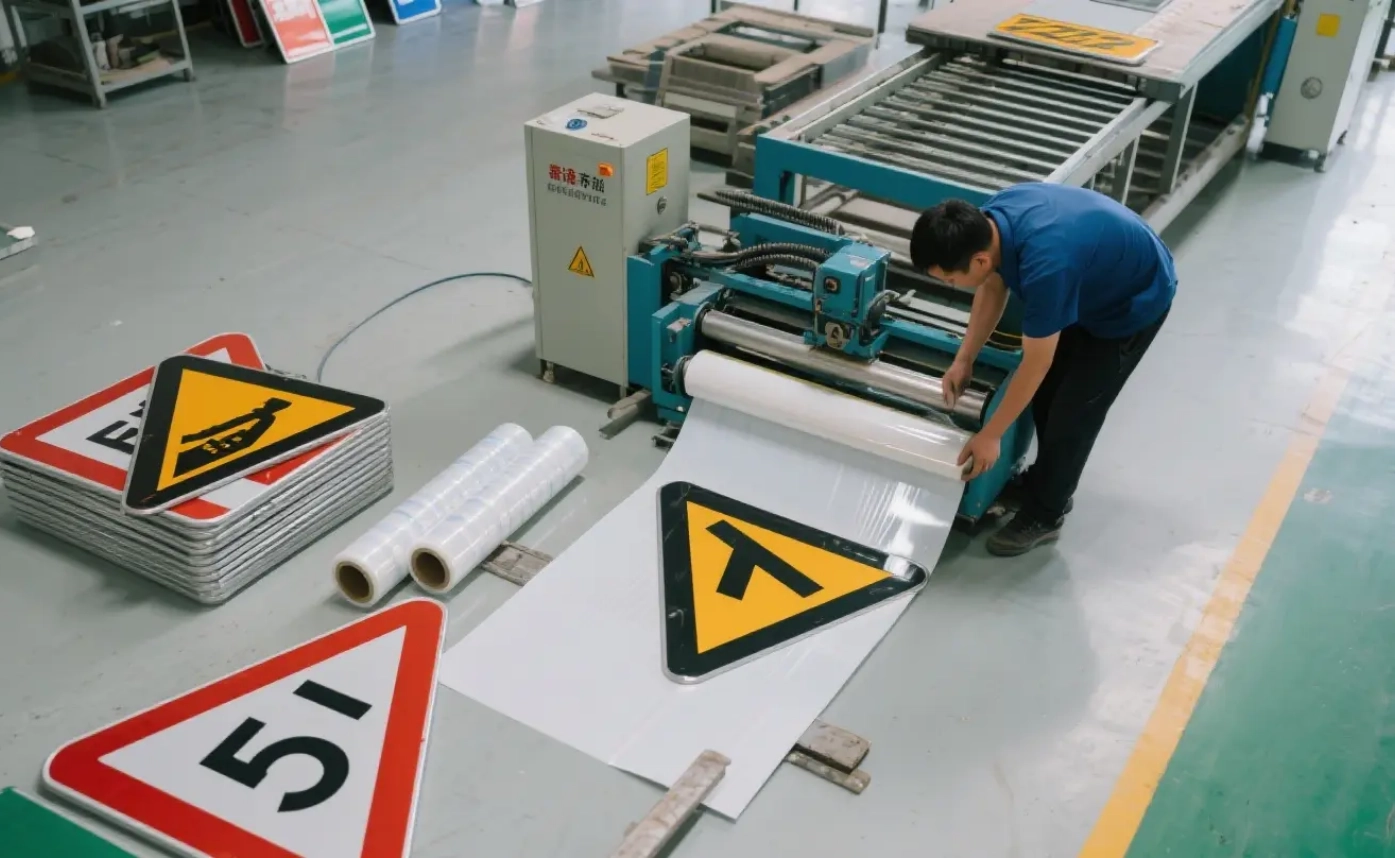
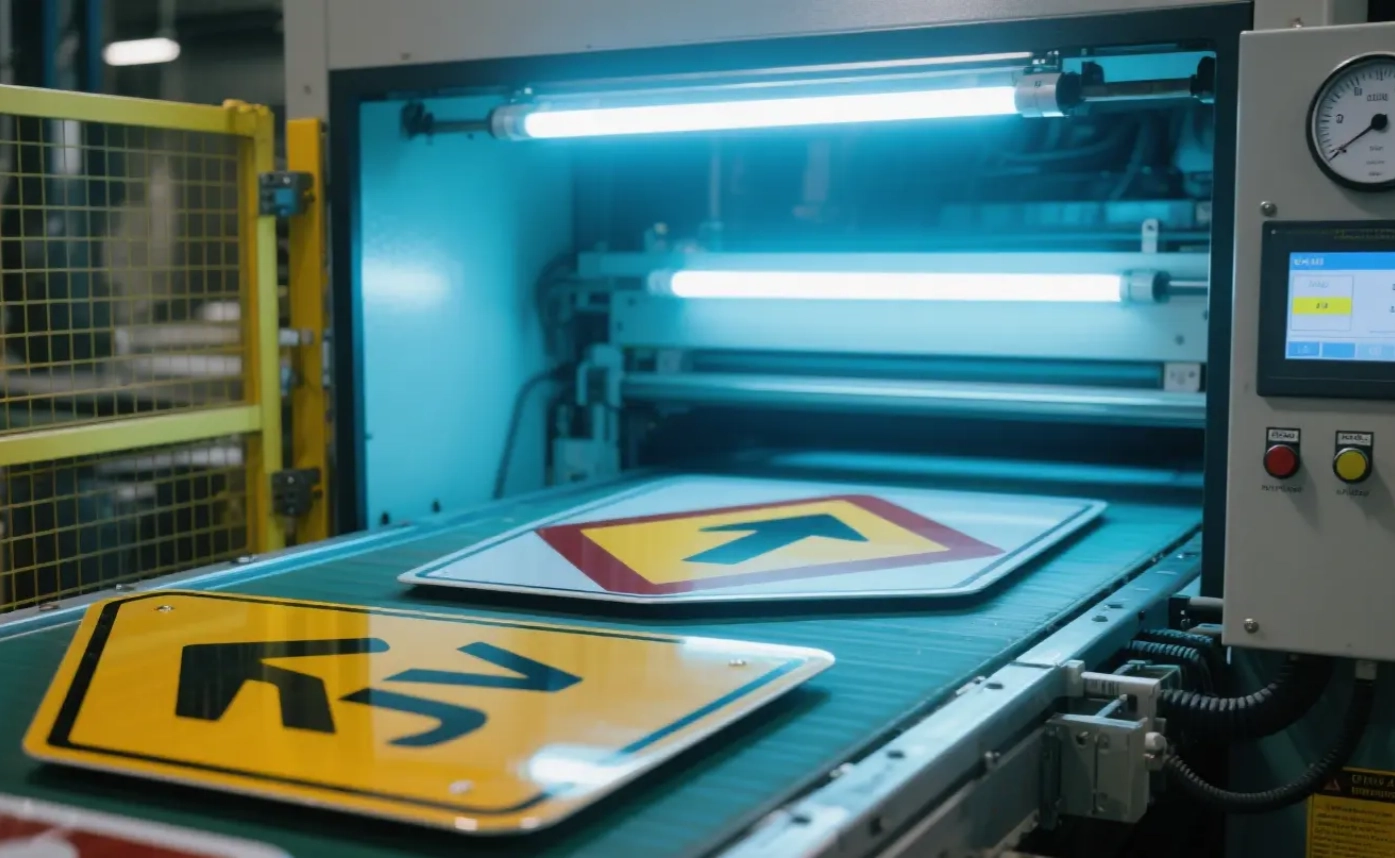
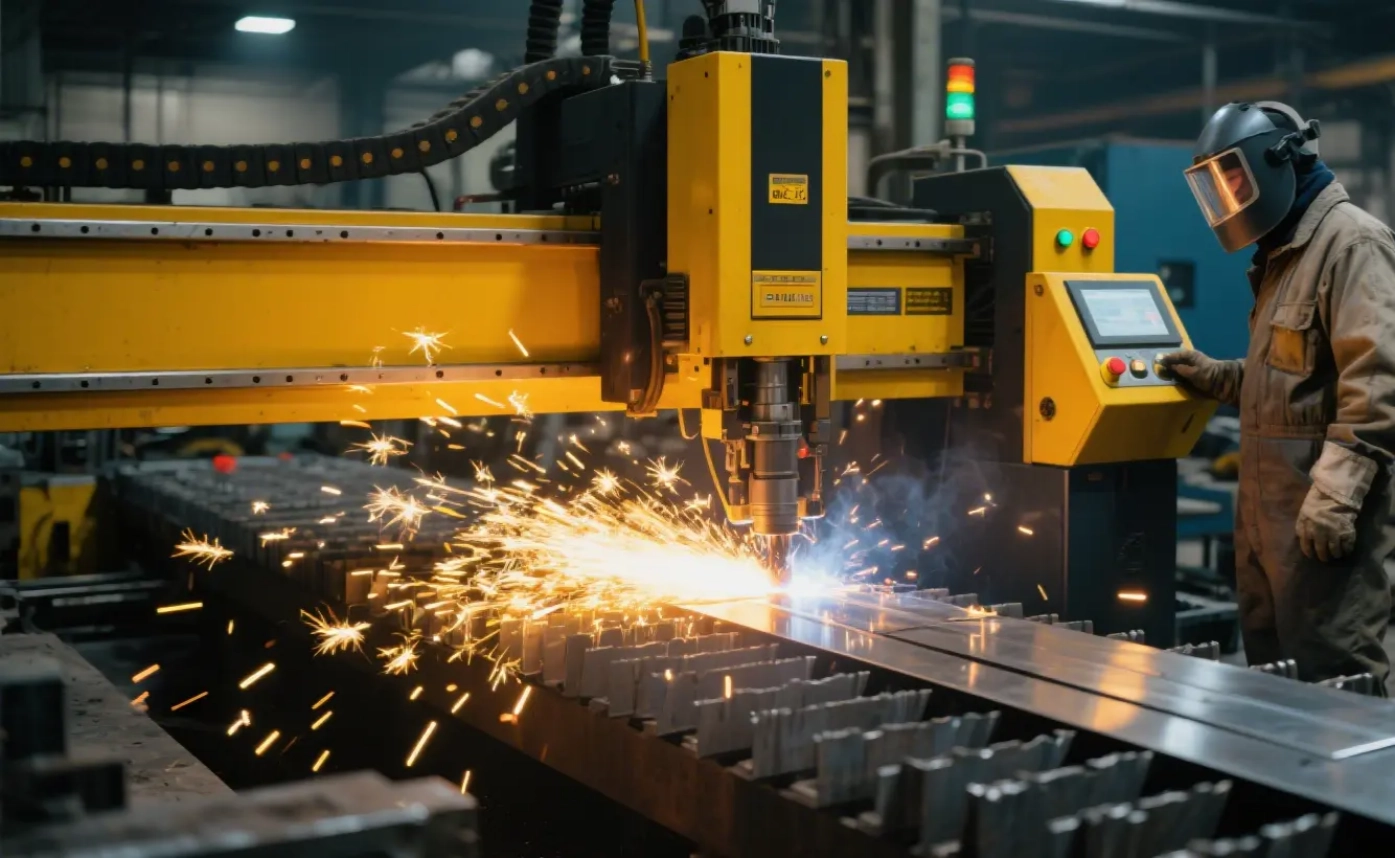
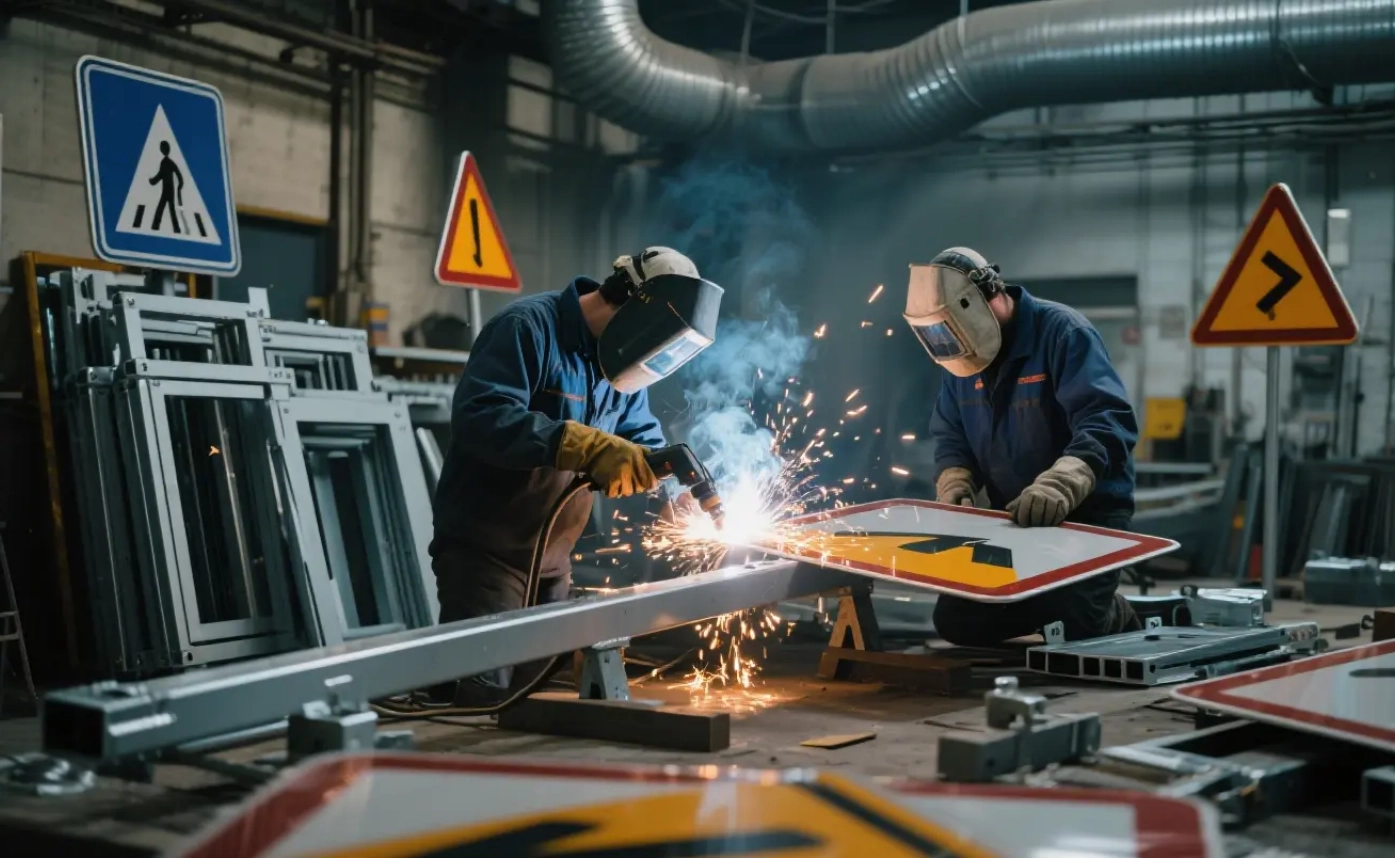
Lukas Lighting operates a complete set of advanced production and testing lines to support rapid prototyping and high-volume demand. Our fabrication ecosystem is fully integrated to prevent third-party bottlenecks, housing equipment including:
Automated LED encapsulation and SMT assembly lines ensure clean optical board populating and minimal thermal resistance.
High-precision CNC laser cutting machines and robotic welding systems construct structural brackets and custom pole profiles.
High-tonnage die-casting machinery and corrosion-resistant powder coating systems protect fixtures against extreme salt spray environments.
Advanced integrating spheres and goniophotometer rigs verify precise lumen per watt outputs and beam distributions.
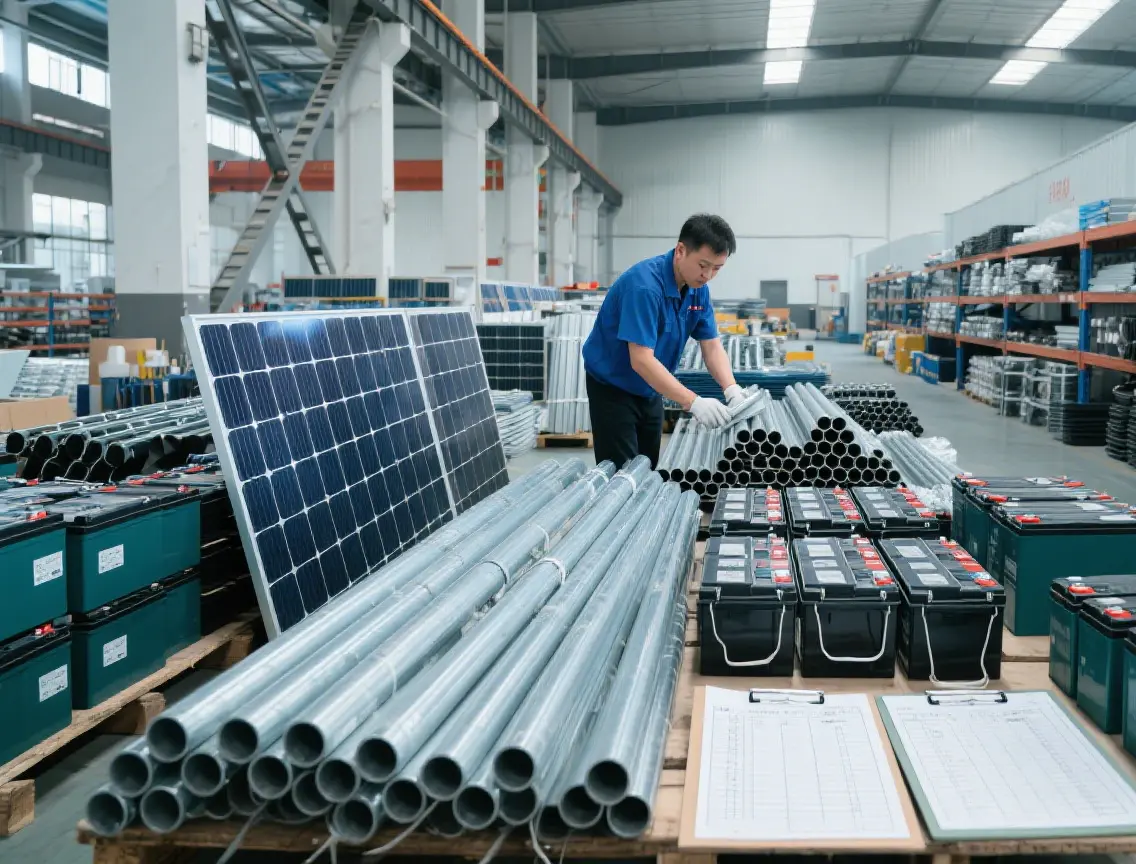
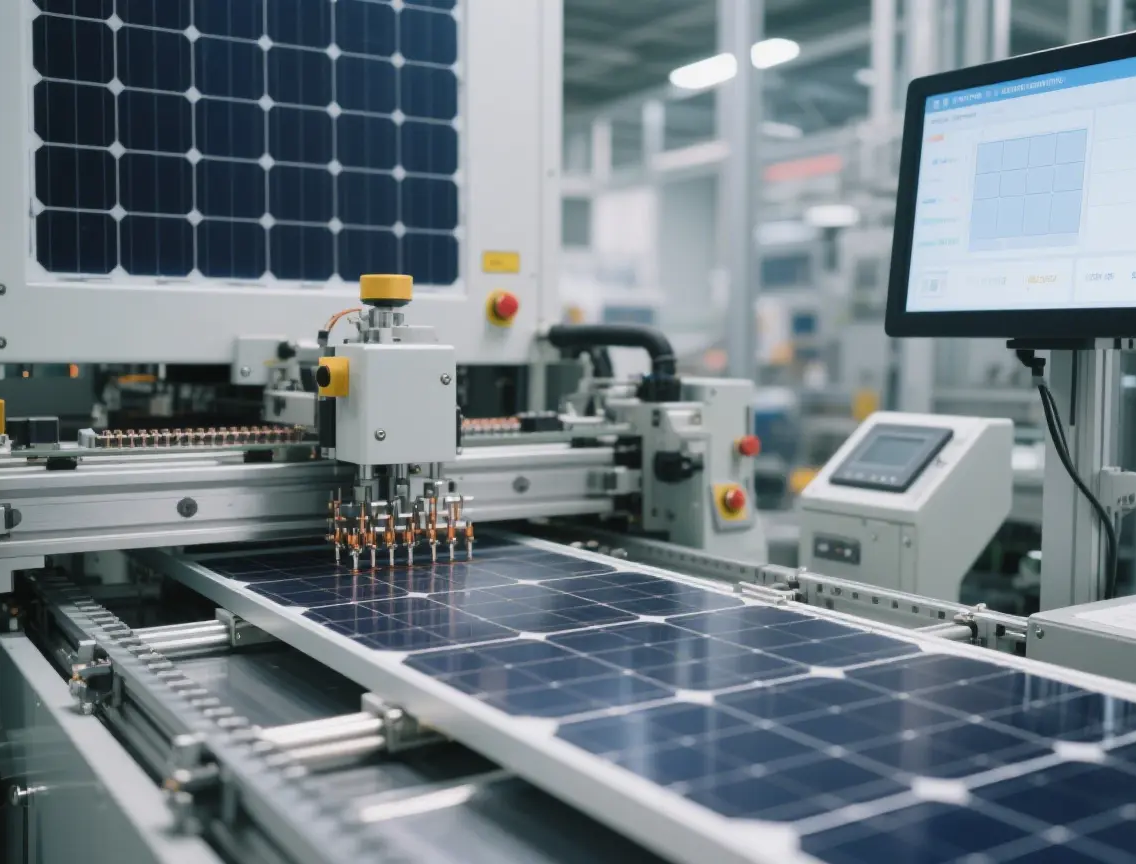
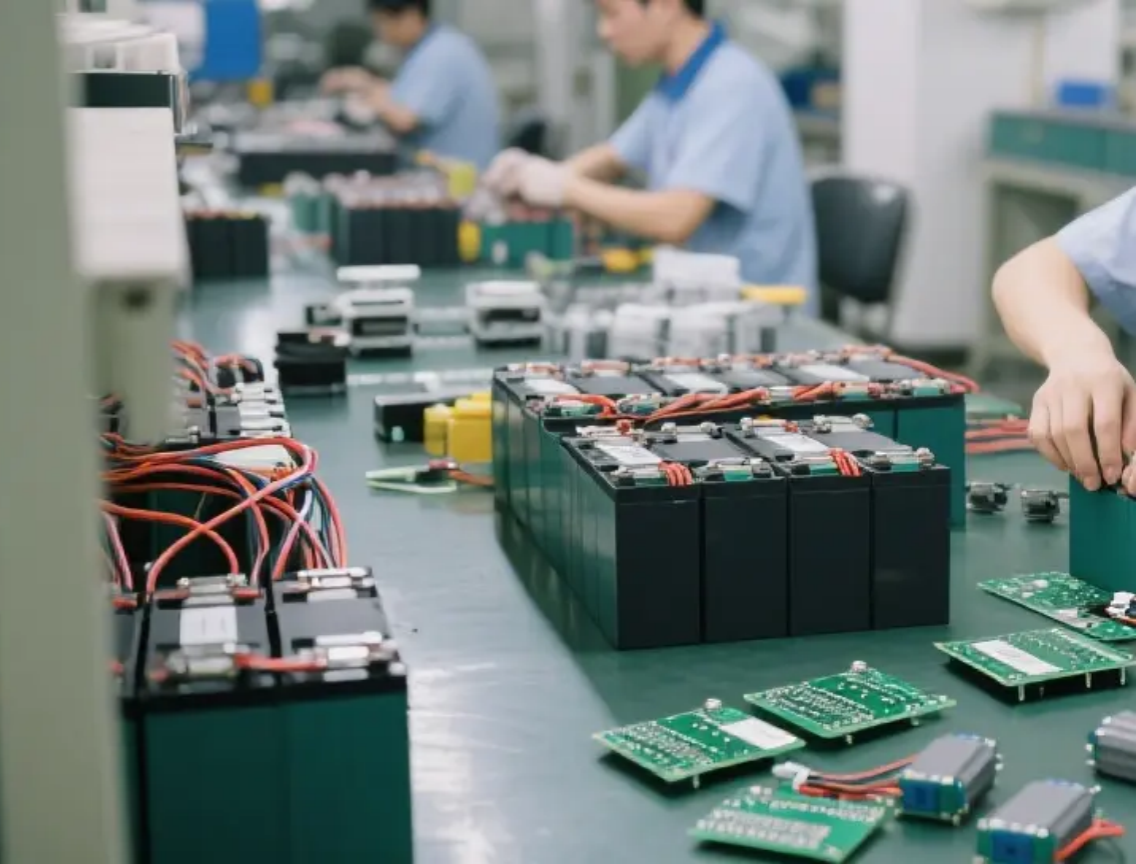
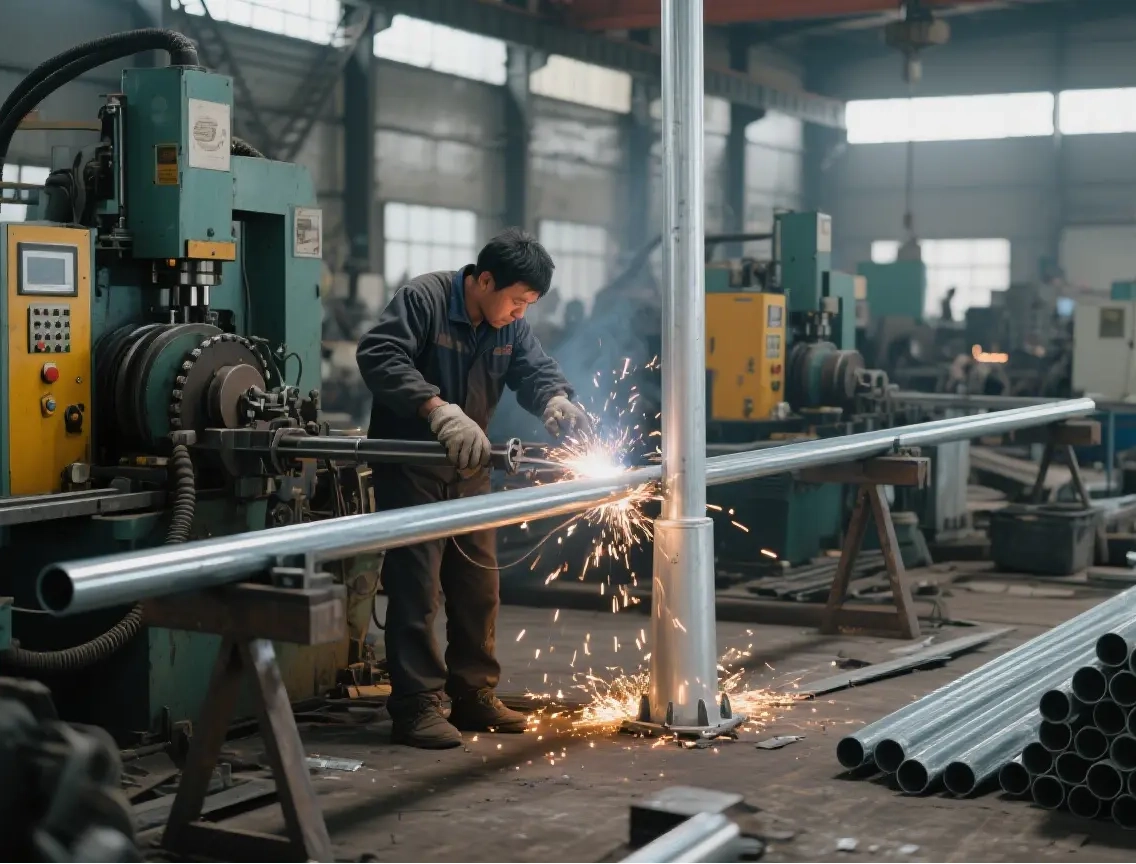
Lukas Lighting sets itself apart through rigorous quality control and technical expertise, ensuring stable performance under challenging outdoor environments:
Our high-automation production facility easily scales output to deliver major municipal bids and custom project designs within strict deadlines.
Operating strictly under an ISO9001 quality framework, we hold key design and optical patents to guarantee top-tier product performance.
We manage the full cycle from design and custom tooling to optical validation and logistics, offering maximum cost efficiency and speed.
Continuous investment in solar cell efficacy and intelligent management systems keeps our hardware aligned with global carbon-reduction policies.
We recognize that lighting needs vary by region. Different climates present unique challenges—from high wind forces in coastal zones to extreme heat and dust in desert environments. Our solar street lights are customized to withstand these diverse conditions:
Equipped with internal heating elements, our Lithium Iron Phosphate (LiFePO4) battery packs charge and discharge reliably in cold climates down to -30°C.
Using advanced structural calculations, our heavy-duty poles and brackets are built to withstand tropical storms and high wind zones.
Our products carry global certifications, including CE, RoHS, IP66 waterproof ingress protection, and ETL/DLC listings, meeting international regulatory demands.
The future of outdoor lighting is clean, intelligent, and highly integrated. Lukas Lighting continues to invest in emerging technologies to keep our systems at the forefront of the industry:
We are testing next-generation solid-state batteries to achieve double the energy density and extend operating lifespans to over 10 years in extreme temperatures.
Developing thin-film Perovskite integrations to achieve over 28% solar conversion efficiency, even in low-light and overcast environments.
Integrating AI algorithms that analyze local weather patterns and traffic flow to automatically optimize battery performance and lighting levels.
 Lukas Lighting